
Introduction
The gearbox is an integral part of any vehicle, playing a crucial role in how power is transmitted from the engine to the wheels. Recognising gearbox issues early is essential not just for vehicle performance but also for the longevity of its components. Gearbox malfunctions can lead to significant repair costs and may compromise safety. By being aware of common warning signs, vehicle owners, automotive professionals, and mechanics can effectively prevent extensive damage and costly repairs, ensuring a smooth driving experience and maintaining vehicle reliability.

What is a Gearbox?
A gearbox, or transmission, is a system of gears that facilitates the transfer of power from an internal combustion engine to the wheels of the vehicle. It allows you to change the speed and torque ratio during motion, which is essential for optimising engine performance under various driving conditions.
Gear Shifting Mechanics
The mechanics of gear shifting involve a series of steps that enable the vehicle to accelerate or decelerate effectively. When the driver presses the accelerator, the engine's power is conveyed to the gearbox, which adjusts the speed and torque applied to the wheels, allowing the vehicle to move. This process is facilitated through gear ratios that define how engine rotational speed translates to the wheels' speed.
There are two main types of gearboxes:
Manual Gearbox
In a manual gearbox, the driver is in control of gear changes, engaging and disengaging the clutch while shifting gears. This type offers a direct connection between the driver and vehicle dynamics, allowing for a more engaging driving experience, but it requires skill.
Automatic Gearbox
Conversely, an automatic gearbox shifts gears independently based on the vehicle's speed and engine load. While it is easier to use, it features more complex systems such as hydraulic controls and electronic sensors, making it potentially more susceptible to issues.
Importance of Regular Maintenance
Regular maintenance of a gearbox is critical for its longevity and optimal performance. Neglecting this aspect can lead to problems affecting the vehicle's entire performance. Regular fluid changes, inspections, and repairs will prevent wear and tear, ultimately extending the life of your gearbox and ensuring a safer, more efficient driving experience.
Common Gearbox Issues
Understanding common issues that can arise within a gearbox is paramount for early detection of potential failures.
Unusual Noises
One of the first signs of gearbox trouble is the emergence of unusual noises, which can manifest as grinding, whining, or clunking sounds during gear shifts.
- Grinding Noises: This typically means the gears are not engaging correctly, indicating worn synchronisers and potentially leading to gear failure if not addressed.
- Whining Noises: This sound may suggest low fluid levels, worn bearings, or misalignment within the gearbox, all of which could lead to severe operational issues.
- Clunking Sounds: Often indicative of loose or damaged components, these noises warrant immediate investigation.
Slipping Gears
If you experience the sensation that the gearbox is slipping out of gear, this can be particularly alarming. This condition often suggests that the gearbox cannot maintain the selected gear, potentially due to worn clutch plates or low fluid levels. This situation can compromise performance and safety, leading to further damage if not promptly addressed.
Delayed Engagement
A delayed engagement when shifting from park to drive or reverse can also signal problems within the gearbox. If there is a lag before the vehicle begins to move, this could indicate low transmission fluid or issues with the valve body, both of which require professional examination.
Fluid Leaks
Noticing fluid puddles beneath your vehicle can be a telltale sign of gearbox problems. Transmission fluid typically has a distinct red, translucent colour and a sweet smell; leaks can result from worn seals and gaskets, and ignoring them can lead to significant gearbox damage.
Additional Mechanical Failures
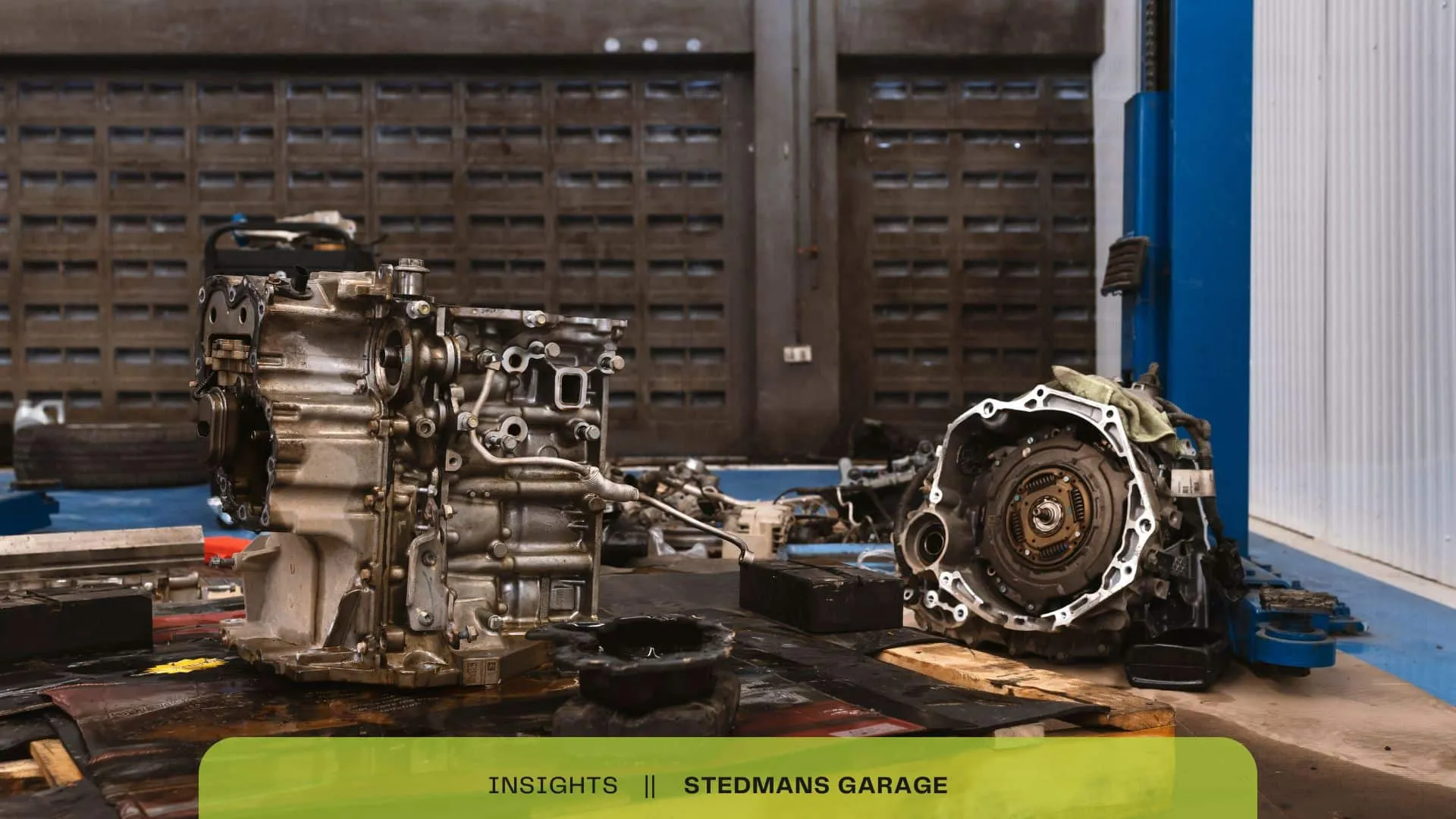
Understanding the mechanical components that could fail is crucial. Common failures include the pump, which circulates fluid through the gearbox; the clutch, which engages and disengages the drive; and solenoids that manage fluid flow within the gearbox systems. Each component plays a vital role in the functionality and performance of the gearbox.
Signs of Gearbox Failure
Recognising the warning signs of potential gearbox failure can save you from costly repairs and dangerous driving conditions.
Dashboard Warning Lights
Many modern vehicles are equipped with onboard diagnostics systems that alert the driver to potential issues. If your dashboard illuminates the “Check Engine” or “Transmission” light, this could indicate a serious problem with the gearbox that needs immediate attention.
Changes in Shifting Patterns
Abrupt or erratic shifting can signal impending gearbox failure. If the vehicle experiences hard shifts, shifts at inappropriate speeds, or fails to downshift as necessary, these changes could indicate underlying problems requiring professional evaluation.
Overheating of the Gearbox
Overheating is another serious sign of failure. If you notice that the gearbox is running extremely hot, it could indicate insufficient fluid levels or contamination, leading to excessive wear and potential breakdown of transmission components.
Vibrations During Operation
Unexplained vibrations, particularly during acceleration or shifting, may suggest that internal components are failing. These vibrations can significantly affect your vehicle's comfort and safety and need immediate examination.
Correlating Technical Reasons
Understanding the technical reasons behind these warning signs can help vehicle owners and professionals diagnose the issues more effectively. For instance, low fluid may lead to overheating due to increased friction, while erratic shifting may be connected to failing electronic systems within automatic gearboxes.
Preventive Maintenance Measures
Implementing preventive maintenance is crucial for keeping your gearbox in optimal condition.
Regular Fluid Changes
Regularly replacing gearbox fluid prevents contamination and ensures that proper lubrication is present to avoid wear. Automotive experts recommend changing transmission fluid and filters according to the manufacturer’s guidelines, typically every 30,000 to 60,000 miles.
Frequent Inspections
Routine inspections can identify potential issues before they develop into serious problems. Checking the gearbox for leaks, verifying fluid levels, and monitoring for strange noises during service checks can alert mechanics to underlying issues early.
Servicing the Gearbox
Having the gearbox serviced at regular intervals can mitigate the risk of failures. During a service, professionals will conduct important checks, including assessing electronic controls, cleaning components, and ensuring that fluid levels and quality are optimal.
Driver Awareness
Being aware of driving habits can also mitigate issues. Avoiding aggressive acceleration and high revs, especially in cold conditions, can help maintain gearbox integrity and improve its lifespan.
When to Seek Professional Help
Knowing when to consult a professional mechanic can significantly impact your vehicle's health.
Significant Warning Signals
If you notice any significant warning signals such as unusual noises, slipping gears, delayed engagement, or dashboard warning lights, it is essential to seek professional consultation immediately. Ignoring these signs can lead to more severe damage and higher costs.
Diagnostic Tests
Trained mechanics utilise a range of diagnostic tests to identify gearbox issues. This can include checking fluid pressure, inspecting electrical systems, and performing road tests. They can also use advanced equipment to read fault codes and assess the health of the gearbox thoroughly.
Timely Intervention
Delaying repairs often leads to further degradation, compounding the issue. Earlier intervention after consultation can result in more straightforward repairs, reducing costs and ensuring safer vehicle operation.
Conclusion
In conclusion, recognising gearbox repair warning signs is crucial for any vehicle owner. The gearbox is a vital component that influences performance, safety, and longevity. By understanding various symptoms of gearbox issues you can ensure timely intervention. Regular maintenance and driver awareness can prevent issues before they escalate, ensuring a smoother driving experience and prolonging your vehicle's life.
Recognising these signs early enhances safety and improves long-term reliability. Start paying attention to your vehicle’s gearbox today, and take necessary actions as soon as warning signs appear. Don’t hesitate to consult a professional for advice and repairs to keep your vehicle running smoothly.