

Introduction
Car suspension issues pose significant risks for both drivers and vehicles, greatly affecting your safety, handling, and comfort on the road. Understanding these common car suspension problems and their implications is essential for every vehicle owner; especially those preparing for their upcoming MOT test.
Understanding the Car Suspension System
The Role of the Suspension System
The suspension system is a vital part of your vehicle’s functionality. It maximises the friction between the car's tyres and the road surface, providing stability, comfort, and control while driving. It absorbs shocks from uneven road conditions and potholes, ensuring that passengers enjoy a smooth ride. Additionally, a healthy suspension system is critical for responsive steering and overall handling.
Key Components of the Suspension System
To understand potential faults, it helps to know the basic parts at work:
- Shock Absorbers: These devices dampen the up-and-down movements caused by bumps. They manage energy absorption when the vehicle encounters uneven surfaces, preventing excessive bouncing.
- Springs: The most common types are coil springs, leaf springs, and air springs. They support the vehicle's weight and absorb impacts, returning quickly to their original shape after deforming.
- Struts: These combine both a spring and a shock absorber, providing structural support to the vehicle while managing steering dynamics and weight distribution.
- Control Arms: These link the vehicle's chassis to its wheels, allowing for controlled movement. They help manage wheel motion, especially when turning or navigating rough terrain.
- Anti-roll Bars: Also known as sway bars, these reduce body roll during cornering, enhancing stability and passenger comfort.
Recognising the Signs of Suspension Problems
Understanding suspension issues often starts with the sensations you experience while driving. Here are some common symptoms that indicate you might need a trip to the garage:
- Unusual Bouncing: If the vehicle continues to bounce after hitting a bump, it may indicate a shock absorber failure. A healthy vehicle should settle quickly after any disturbance.
- Excessive Swaying: Increased body roll during turns or a "nose-dive" sensation when braking often indicates worn shock absorbers or ineffective anti-roll bars.
- Uneven Tyre Wear: If your tyres show uneven or rapid wear patterns (such as bald spots on the edges), this could signal alignment problems caused by a failing suspension system.
- Dropping or Settling: Noticing a change in ride height strongly indicates failing springs or struts.
- Clunking Noises: Unexpected knocking or clunking sounds when driving over bumps usually signify loose or worn components, such as control arm bushes or strut mounts.
Common Car Suspension Problems Encountered
Let’s explore some of the most prevalent suspension issues that drivers face on UK roads:
1. Worn-out Shock Absorbers
- Causes: Over time, shock absorbers deteriorate due to general wear and tear, particularly if you frequently drive on rough, pothole-riddled roads.
- Effects: Worn shock absorbers reduce ride comfort and result in dangerously increased stopping distances. The vehicle may bounce excessively, making it difficult to control during emergency manoeuvres.
2. Broken Springs
- Causes: Springs endure the entire weight of the vehicle, making them prone to metal fatigue and breakage. This is especially common in vehicles that often carry heavy loads or have hit deep potholes.
- Effects: A broken spring severely affects ride height and can lead to uneven tyre wear, compromising handling and safety. In severe cases, a broken spring can puncture a tyre.
3. Misaligned Wheels
- Causes: Misalignment can result from hitting potholes, kerbs, or just general wear and tear over time.
- Effects: Misalignment affects steering responsiveness and leads to rapid tyre wear, significantly decreasing your tyre lifespan and even increasing fuel consumption.
4. Damaged Control Arms
- Causes: Control arms may suffer from corrosion over time, especially due to road salt used during British winters. They can also be damaged by road debris or impacts.
- Effects: Damaged control arms can result in poor handling, alignment issues, and steering vibrations, making immediate repair essential.
5. Failed Anti-roll Bars
- Causes: Anti-roll bar links and bushes can weaken over time or become disconnected due to wear.
- Effects: A failed anti-roll bar leads to increased body roll and instability during cornering, severely impacting both safety and comfort.
The Implications of Suspension Problems on Your MOT
The annual MOT test evaluates various aspects of a car to ensure it meets strict legal roadworthiness standards. An improperly functioning suspension system is a very common reason for MOT failure. Here’s what testers look for:
- Shock Absorber Functionality: Inspectors look for fluid leaks or a lack of damping effect. If they do not meet safety standards, the vehicle will fail.
- Spring Condition: Broken, corroded, or sagging springs will lead to an immediate major or dangerous failure, as they pose significant safety risks.
- Wheel Alignment and Tyre Wear: Excessively worn tyres (below the legal 1.6mm tread depth) caused by suspension misalignment will deem a vehicle unroadworthy.
- Component Wear: Excessive play, wear, or knocking noises in bushes, ball joints, and control arms will be flagged by the tester.
Resolving suspension problems before your MOT test is critical. Proactively addressing these issues saves you the hassle of a re-test and ensures your vehicle remains safe to drive.
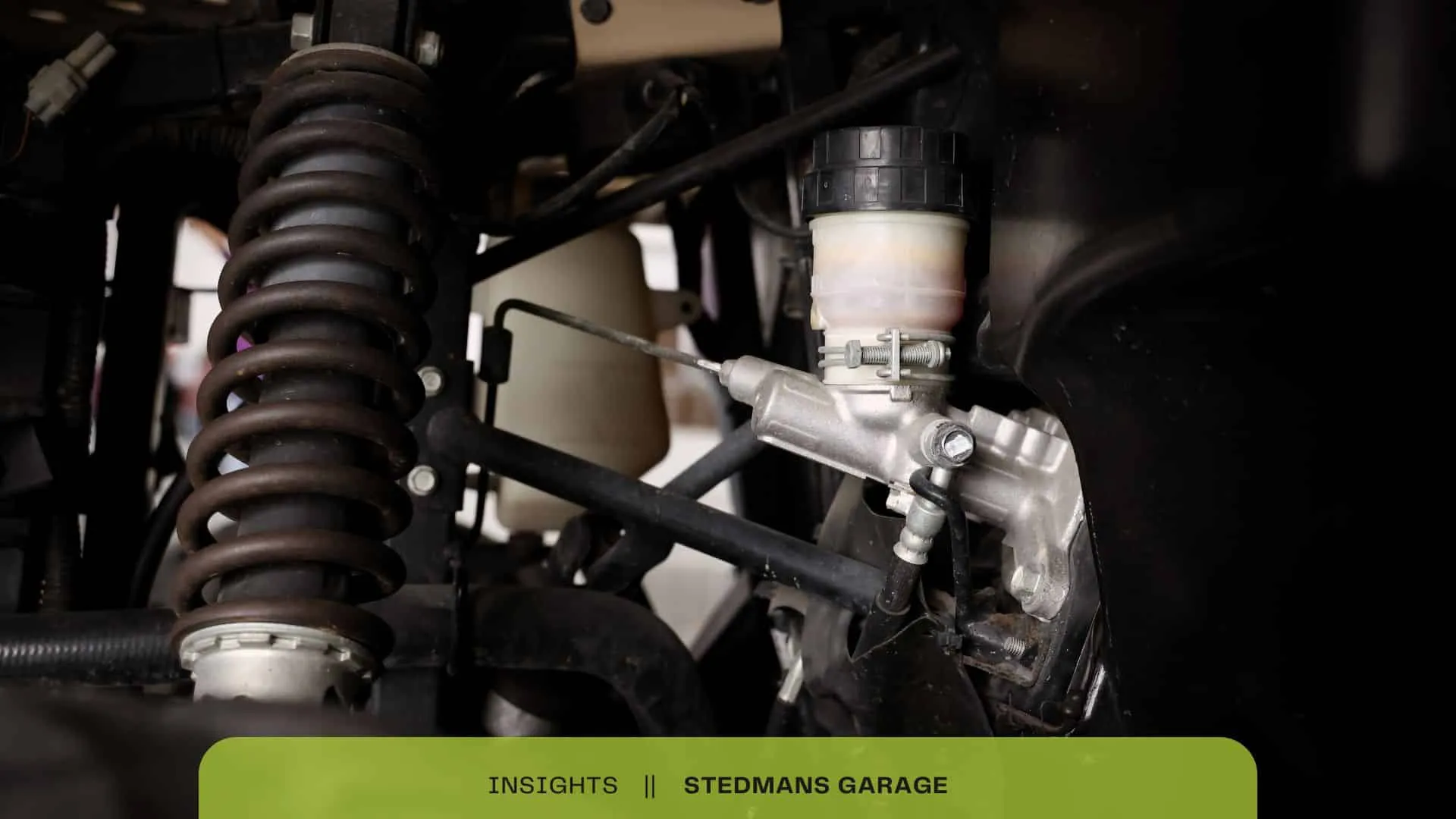
Because suspension faults are assessed as part of the test, it is worth having knocks, uneven tyre wear or a sagging corner looked at before the day rather than after a fail. Stedmans Garage offers MOT testing in Worthing alongside repairs, so anything picked up during the test can be dealt with under one roof.
Maintenance and Care for the Suspension System
A well-maintained suspension system is essential for vehicle safety and comfort. Follow these tips to keep your car running smoothly:
- Regular Inspections: Routine inspections of the suspension system, especially before your annual MOT, are highly recommended. Early detection of issues like uneven ride height or unusual noises can save you money in the long run.
- Professional Assessments: While checking your tyre tread is something you can do at home, it’s essential to enlist a professional mechanic for comprehensive suspension inspections and repairs. Qualified technicians have the ramps and expertise needed to diagnose and fix these heavy-duty components safely.
- Quality Replacement Parts: When replacing suspension components, always choose high-quality parts that meet or exceed manufacturer specifications (OEM quality). Inferior components may lead to quicker failures.
- Keeping the Vehicle Clean: Washing the undercarriage periodically can help prevent the corrosion of suspension parts. Salt and mud accumulation can lead to premature rust, especially after winter.
- Safe Driving Practices: Adopting safe driving habits will significantly prolong the lifespan of your suspension system.
Conclusion
Understanding common car suspension problems is crucial for ensuring a comfortable ride, but more importantly, it plays a critical role in your vehicle's safety and MOT compliance. By recognising the early warning signs of suspension issues and relying on a trusted local garage for regular maintenance, you can protect yourself, your passengers, and your vehicle.
Don't wait for a clunking noise to become a major repair bill or an MOT failure. By remaining proactive, you can ensure your vehicle is roadworthy, safe, and ready for whatever the road throws at it.
Concerned about your car's suspension? Contact our expert mechanics today to book a comprehensive suspension check or to prepare your vehicle for its next MOT!