
Introduction
As a vehicle owner, understanding the meaning of dashboard warning lights is crucial for ensuring vehicle safety and maintaining your car's overall health. In the UK, where weather conditions and road standards vary, being aware of these warning indicators can be the difference between a minor inconvenience and a significant repair bill. This comprehensive guide aims to demystify dashboard warning lights, providing UK drivers with the knowledge needed to act promptly and appropriately when confronted with these alerts.
In this blog, we will explore what dashboard warning lights are, delve into common warning lights and their meanings, and discuss less common but critical indicators. We will also provide practical advice on how to respond when a warning light illuminates, as well as actionable tips for maintaining your vehicle's dashboard indicators. By the end of this guide, you will be better equipped to enhance your vehicle safety and ensure your car remains in optimal condition.
Understanding Dashboard Warning Lights
What Are Dashboard Warning Lights?
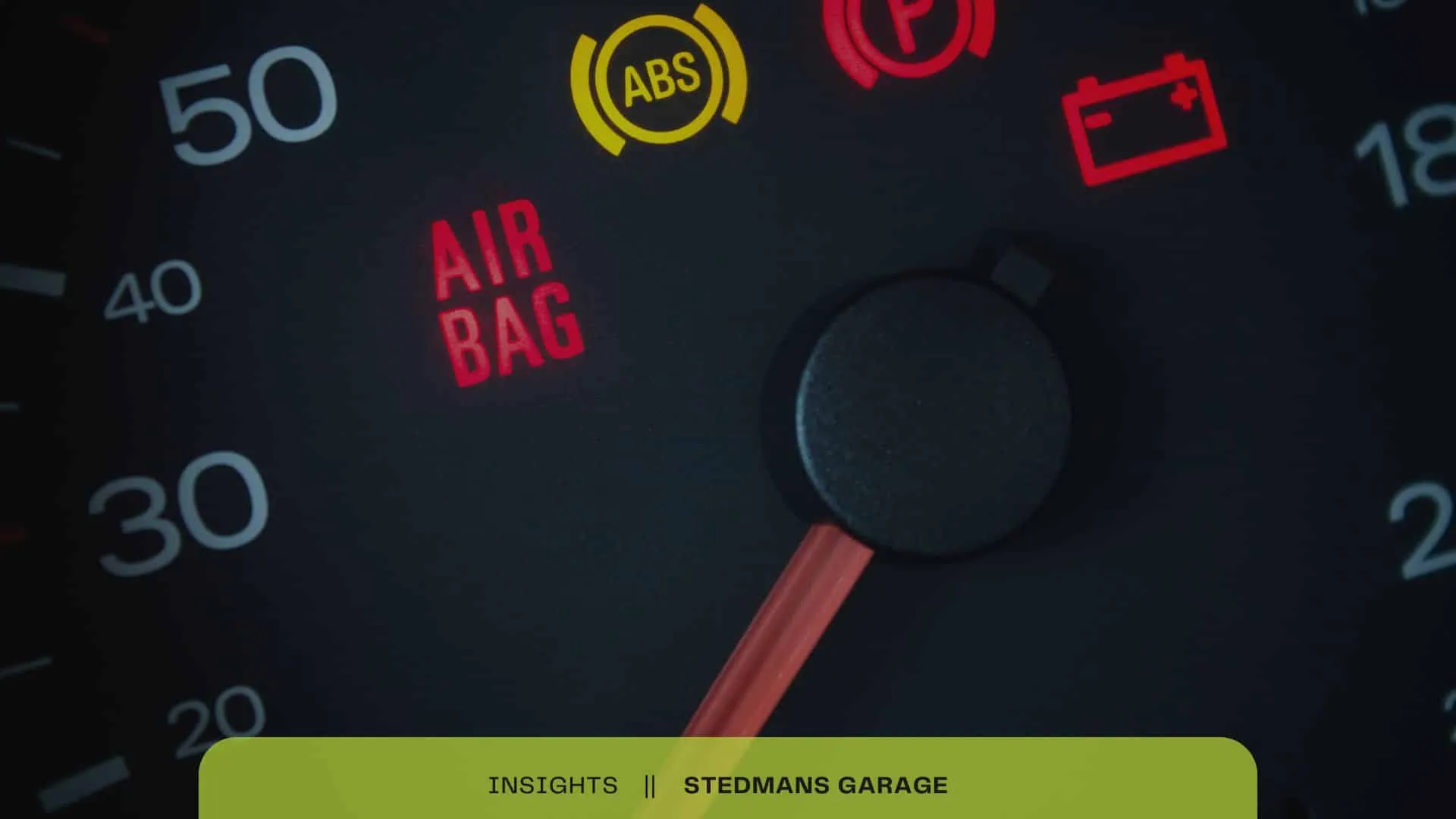
Dashboard warning lights are visual indicators located on the instrument panel of your vehicle. They serve as an essential communication tool between your car and you, the driver, alerting you to potential issues or malfunctions. These lights can indicate anything from minor maintenance reminders to serious operational problems that could compromise vehicle safety.
The Role of Warning Lights in Vehicle Safety
The primary role of dashboard warning lights is to enhance vehicle safety by providing timely information about the vehicle's status. When a warning light activates, it is crucial to acknowledge it and understand its significance. Ignoring these signals can lead to severe consequences, including accidents, costly repairs, and even jeopardising your safety on the road.
Most dashboard warning lights are colour-coded:
- Red lights indicate immediate action is necessary, such as the brake warning or oil pressure light.
- Amber or yellow lights suggest caution, signalling that a problem exists but does not require immediate action, such as the tyre pressure warning.
- Green or blue lights indicate that a system is operating normally, like headlights or turn signals.
Understanding these colours and their meanings is vital for effective car maintenance and driver safety.
Common Dashboard Warning Lights and Their Meanings
Engine Warning Light
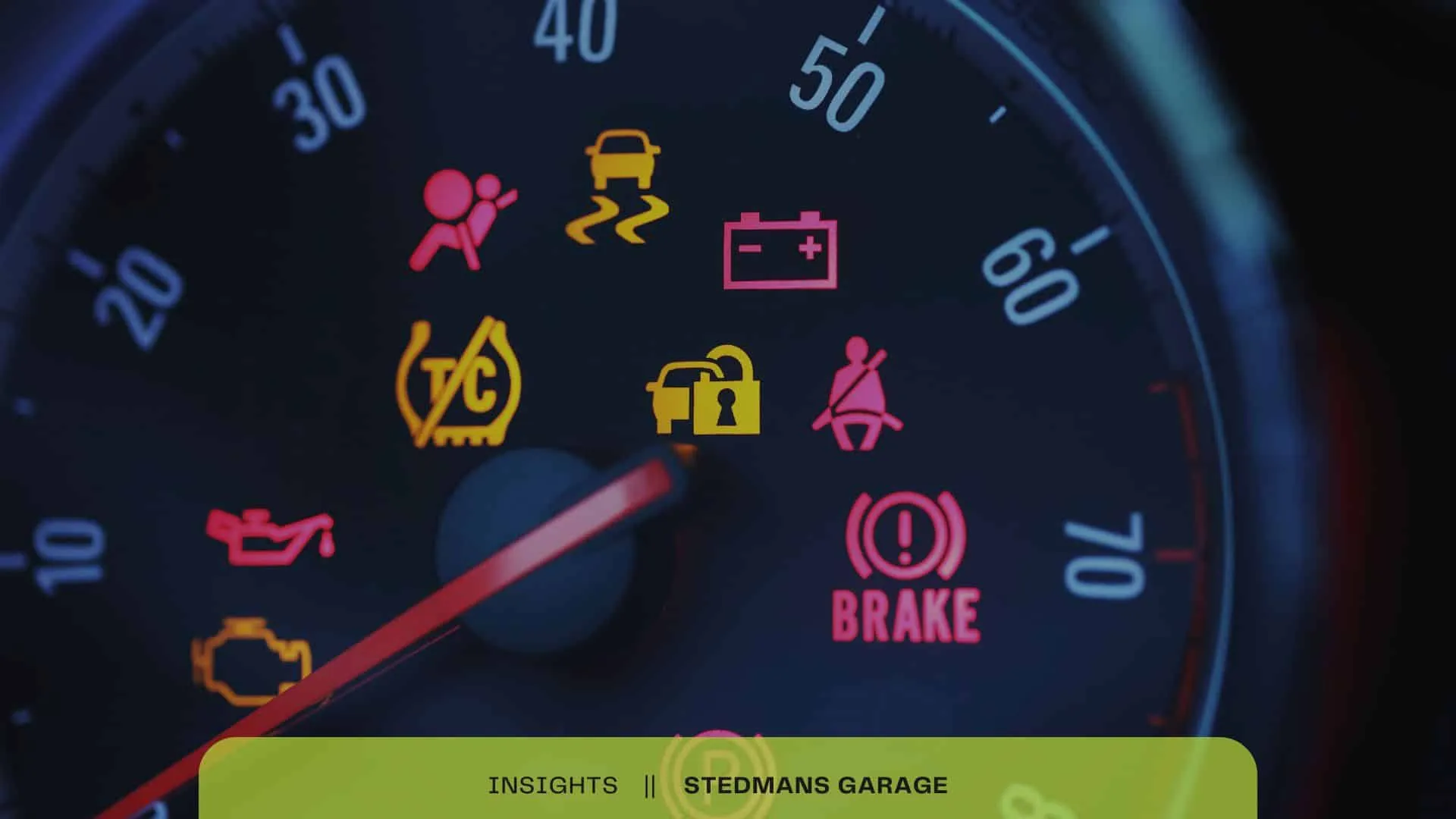
The engine warning light, often depicted as an outline of an engine, is one of the most critical warning indicators on your dashboard. When this light appears, it can signal various issues, including:
- Engine overheating: This could be due to low coolant or a failing thermostat.
- Emissions problems: A malfunctioning catalytic converter could trigger this light.
- Fuel system issues: Problems with the fuel pressure or injectors can also be at fault.
Recommended Actions: If the engine warning light illuminates, it is best to pull over as soon as it is safe to do so and check the vehicle manual for guidance. If the problem persists, seeking professional assistance from a qualified mechanic is advisable.
Oil Pressure Warning Light
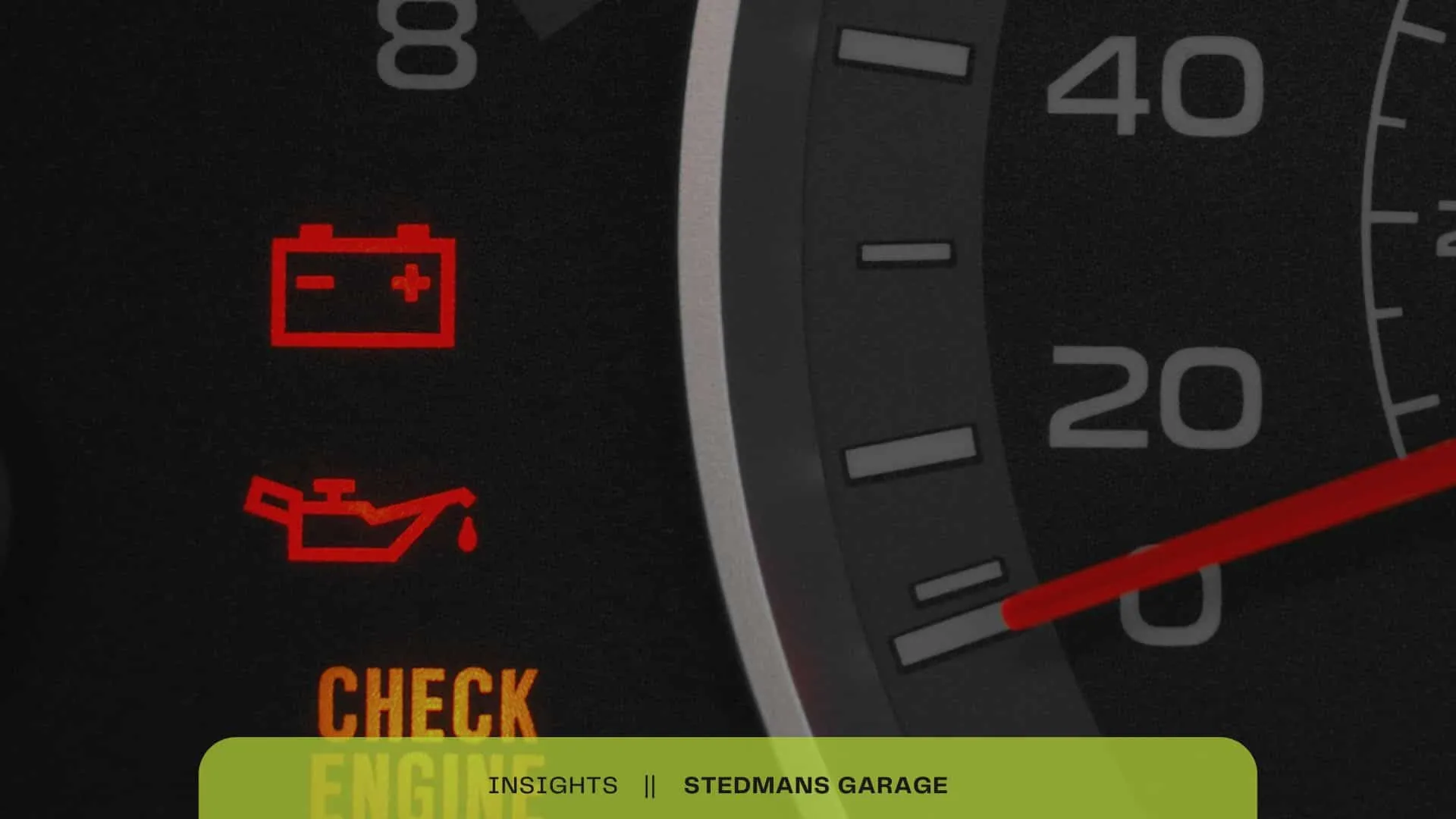
The oil pressure warning light typically resembles an oil can and indicates a potential problem with your engine's lubrication system. Common causes include:
- Low oil levels: Running low on oil can lead to severe engine damage.
- Oil leaks: Fluid leaks can compromise oil pressure.
- Oil pump failure: A malfunctioning oil pump can prevent adequate lubrication.
Immediate Steps: If this light comes on, check your oil level using the dipstick. If it is low, top it up with the appropriate oil and monitor for leaks. If the light remains on after adding oil, do not drive the vehicle, seek professional help immediately.
Battery Warning Light
The battery warning light, often depicted as a battery icon, signifies issues with your vehicle’s electrical system. This could be due to:
- A failing battery: Batteries have a limited lifespan and can lose their ability to hold charge.
- Alternator problems: If the alternator is malfunctioning, it may fail to recharge the battery.
- Loose or corroded battery connections: This can lead to poor electrical performance.
Troubleshooting Advice: If this light illuminates, check the battery connections for corrosion or looseness. If the connections are secure and the light persists, have the battery and alternator tested at a garage.
Brake Warning Light
The brake warning light, often shaped like an exclamation mark within a circle, can indicate several issues:
- Low brake fluid levels: This could suggest a leak in the system, which is critical to address.
- Worn brake pads: If the pads are too thin, it may trigger this light.
- Malfunctioning brake system: Any failure in your braking system should be treated as an emergency.
Actionable Steps: If this light comes on, check the brake fluid level and top it up if necessary. If the fluid level is adequate and the light remains on, stop driving immediately and have your brakes inspected by a professional.
Tyre Pressure Monitoring Light
The tyre pressure warning light indicates that one or more tyres are under-inflated, which can lead to reduced vehicle handling and increased risk of blowouts. Maintaining correct tyre pressure is crucial for:
- Safety: Properly inflated tyres improve vehicle stability.
- Fuel efficiency: Correct tyre pressure can enhance fuel economy.
Tips for Checking Tyre Pressure: Use a reliable tyre pressure gauge to check your tyres at least once a month and before long journeys. The recommended tyre pressure for your vehicle can usually be found in the owner’s manual or on a sticker located inside the driver’s door frame.
Less Common but Critical Warning Lights
Transmission Fluid Temperature Light
The transmission fluid temperature light indicates that your vehicle's transmission is overheating. This can result from:
- Low transmission fluid levels: Insufficient fluid can lead to overheating.
- Heavy towing: Exceeding the vehicle's towing capacity can strain the transmission.
Recommended Action: If this light comes on, pull over and allow the transmission to cool down. Check the transmission fluid level and top it up if necessary. If the issue persists, consult a mechanic.
Anti-lock Braking System (ABS) Light
The ABS light indicates a problem with the anti-lock braking system, crucial for maintaining control during hard braking. Common issues include:
- Faulty ABS sensor: A malfunctioning sensor can trigger the light.
- Low brake fluid levels: This can affect the ABS operation.
What to Do: If the ABS light illuminates, check your brake fluid level. If it is adequate and the light remains on, have your braking system inspected as soon as possible.
Airbag Warning Light
The airbag warning light indicates a problem with your vehicle's airbag system, which is vital for passenger safety. Possible causes include:
- Faulty sensors: Malfunctions in the airbag deployment system can trigger this light.
- Disconnection: If the airbag wiring has been tampered with, it may prevent deployment.
Safety Precautions: If this light comes on, it is critical to have your airbag system checked immediately to ensure that it will function correctly in the event of an accident.
How to Respond When a Warning Light Illuminates

General Steps to Follow
When a dashboard warning light appears, it’s essential to take the following steps:
- Stay Calm: Don’t panic; many warning lights indicate issues that can be resolved.
- Refer to the Vehicle Manual: Your owner’s manual contains important information specific to your vehicle and its warning indicators.
- Assess the Situation: Evaluate whether it is safe to continue driving. If the light is red or indicates a significant issue, it’s best to pull over and stop the vehicle.
- Check Fluid Levels: For warning lights related to oil, brake fluid, or coolant, check these levels immediately.
- Seek Professional Help: If you are unsure of the cause or how to address the warning light, contact a qualified mechanic.
When to Pull Over Immediately
Certain lights require immediate attention. If you see:
- The engine warning light accompanied by unusual noises, smoke, or a burning smell.
- The brake warning light, especially if you experience a loss of braking power.
- The oil pressure light, which may indicate a severe risk of engine damage.
In these cases, it is crucial to pull over safely and stop the vehicle.
Actionable Tips Section
Checklist for Maintaining Your Vehicle’s Dashboard Warning Lights
- Regular Maintenance Checks:
- Understand Your Vehicle Manual:
- Monitor Dashboard Indicators:
- Get Professional Assistance When Needed:
- Stay Informed:
- Educate Other Drivers:
Conclusion
In summary, understanding dashboard warning lights is crucial for maintaining vehicle safety and ensuring your car operates efficiently. By recognising the meaning behind these indicators and knowing how to respond, you can avoid costly repairs and enhance your driver safety on the road. Remember to stay informed about your vehicle’s health through regular maintenance and consult your manual when needed.
Empower yourself with the knowledge of what those dashboard warning lights mean and take proactive steps toward responsible car ownership. With this comprehensive guide, you are now better equipped to handle any warning light that may illuminate on your dashboard. Stay safe and drive responsibly!