
As electric vehicles (EVs) continue to gain popularity in the UK, understanding their operation becomes essential for drivers considering the switch. One significant aspect of EVs that often goes unnoticed is the variety of electric vehicle drive modes. These modes enhance the driving experience by allowing drivers to customise their vehicle’s performance to suit various conditions and preferences. In this blog, we will explore electric vehicle drive modes, how they function, and their benefits, providing you with a comprehensive understanding of this essential feature.
This post will delve into the key drive modes available in electric vehicles, including Eco Mode, Sport Mode, Comfort Mode, and Range Mode. Each mode serves a different purpose, from maximising driving efficiency to enhancing performance. By the end of this article, you will have a clearer understanding of how to optimise your electric vehicle experience based on your driving needs.
What Are Electric Vehicle Drive Modes?
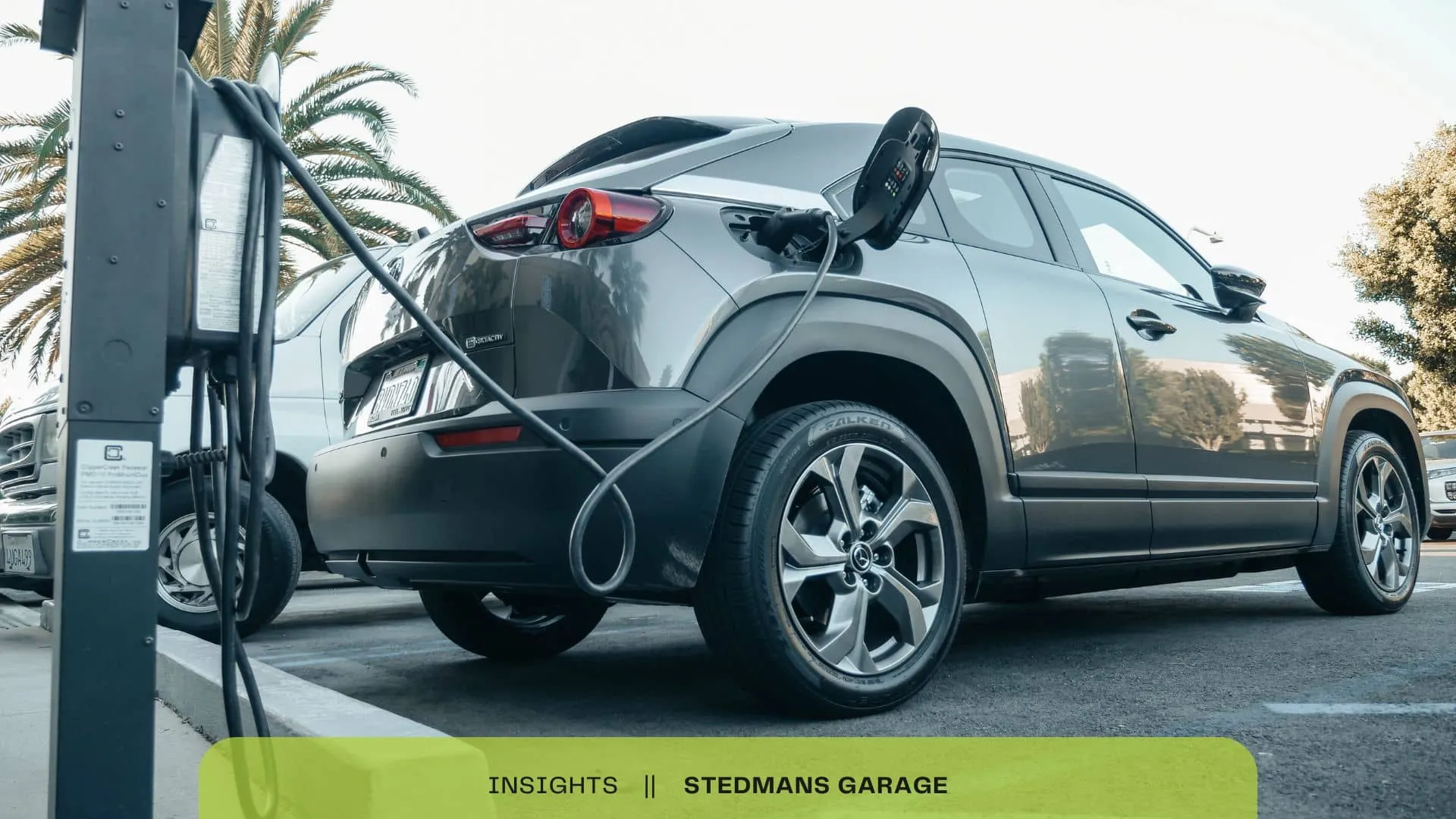
Electric vehicle drive modes refer to various settings that alter the performance characteristics of an electric vehicle. These modes are designed to enhance the vehicle's efficiency, comfort, and responsiveness based on the driver's requirements and driving conditions.
Understanding how these electric vehicle drive modes work is crucial for improving driving efficiency. Each mode modifies power delivery, throttle response, and energy consumption, allowing drivers to maximise their vehicle’s capabilities. For instance, Eco Mode prioritises energy efficiency, making it ideal for longer trips or city driving, while Sport Mode enhances performance for a more exhilarating driving experience.
In summary, electric vehicle drive modes are essential for improving user experience and driving efficiency. They allow drivers to adapt their vehicles to their specific needs, ensuring a more enjoyable and sustainable driving journey.
Types of Electric Vehicle Drive Modes
Electric vehicles typically feature several drive modes, each with distinct advantages and use cases. In this section, we’ll explore the most common types of electric vehicle drive modes.
Eco Mode: Maximising Efficiency
Eco Mode is designed to maximise the energy efficiency of an electric vehicle, making it an excellent choice for drivers looking to extend their range. When activated, Eco Mode adjusts various parameters, such as throttle response and climate control settings, to reduce energy consumption.
For instance, in Eco Mode, the vehicle may limit the maximum power output, allowing for smoother acceleration and deceleration, which can significantly enhance range. Additionally, the climate control system may operate at reduced levels to conserve battery power.
Examples of electric vehicles that feature Eco Mode include the Nissan Leaf, BMW i3, and Volkswagen ID.3. In these models, Eco Mode can extend the vehicle's range by up to 10-15%, making it particularly beneficial for urban driving, where stop-and-go traffic can drain the battery quickly.
Advantages of Eco Mode:
- Extended Range: Maximises the distance you can travel on a single charge.
- Smoother Driving Experience: Reduces harsh acceleration, leading to a more comfortable ride.
- Lower Energy Costs: Decreases overall energy consumption, resulting in lower running costs.
Disadvantages of Eco Mode:
- Reduced Performance: May feel sluggish compared to other modes, which may not appeal to all drivers.
- Limited Features: Some features, like aggressive climate control, may be restricted to save energy.
Sport Mode: Enhanced Performance
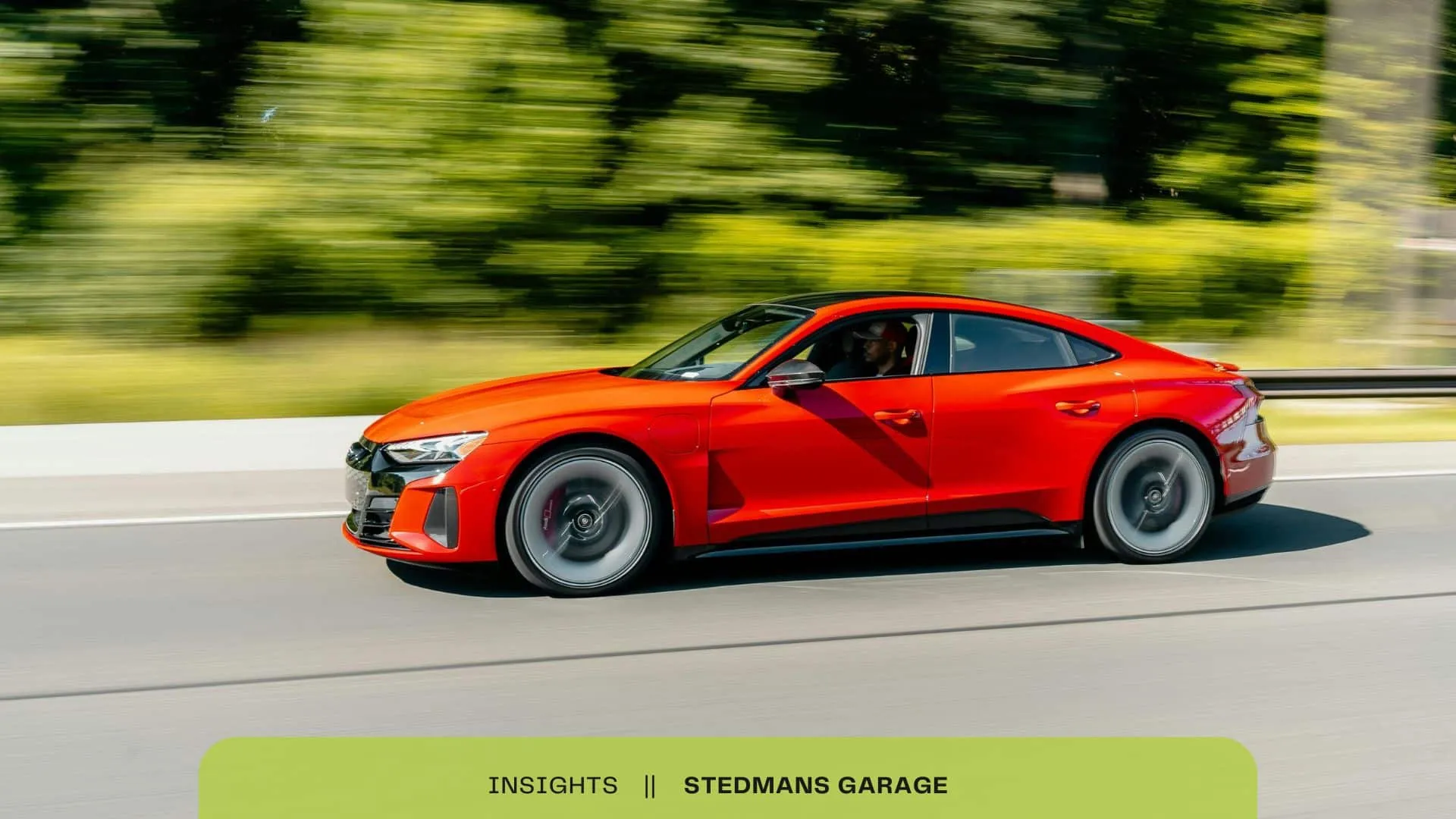
In contrast to Eco Mode, Sport Mode is tailored for enhanced performance. When engaged, the vehicle's throttle response becomes more aggressive, allowing for quicker acceleration and a more engaging driving experience.
Sport Mode also typically alters the vehicle's handling characteristics, providing sharper steering and enhanced suspension settings. This mode is ideal for drivers who enjoy spirited driving on winding roads or need to overtake other vehicles quickly on the motorway.
Examples of electric vehicles that offer Sport Mode include the Tesla Model 3 Performance, Porsche Taycan, and Audi e-tron GT. In these vehicles, Sport Mode can significantly reduce acceleration times, making them competitive with their petrol-powered counterparts.
Advantages of Sport Mode:
- Improved Acceleration: Quicker throttle response leads to faster acceleration.
- Enhanced Driving Dynamics: Sharper steering and suspension settings provide a sportier feel.
- Fun Driving Experience: Ideal for enthusiasts who enjoy a dynamic driving style.
Disadvantages of Sport Mode:
- Increased Energy Consumption: Higher power output leads to reduced range.
- Less Comfort: The stiffer suspension may make the ride less comfortable on rough roads.
Comfort Mode: Balancing Efficiency and Performance
Comfort Mode represents a middle ground between Eco and Sport Modes. This setting is designed for everyday driving, balancing efficiency with adequate performance. In Comfort Mode, the vehicle typically offers a smoother ride by softening the throttle response and optimising energy use without sacrificing too much performance.
This mode is particularly beneficial for long trips or commuting, providing a comfortable experience without the aggressive characteristics of Sport Mode or the extreme efficiency of Eco Mode.
Many electric vehicles, such as the Hyundai Kona Electric and Ford Mustang Mach-E, feature a Comfort Mode that caters to daily driving needs.
Advantages of Comfort Mode:
- Balanced Performance: Provides a smooth driving experience without being overly sluggish or aggressive.
- Versatility: Suitable for various driving conditions, including city and motorway driving.
- Driver Comfort: Softens the ride, making it more pleasant for passengers.
Disadvantages of Comfort Mode:
- Compromised Efficiency: May not be as energy-efficient as Eco Mode.
- Limited Performance: Can feel less engaging than Sport Mode for driving enthusiasts.
Range Mode: Prioritising Longevity
Range Mode is specifically designed to maximise the distance an electric vehicle can travel on a single charge. This mode often incorporates features from Eco Mode but takes it a step further by minimising power consumption even further.
When activated, Range Mode may adjust various systems, including climate control and battery output, to extend the vehicle's range. For example, the climate settings may be limited, or the vehicle may restrict the maximum speed to conserve energy.
This mode is particularly useful in scenarios where charging opportunities are limited, such as on long road trips or during remote travels. Vehicles like the Jaguar I-PACE and Tesla Model S have effective Range Modes that can help drivers squeeze out every last mile from their battery.
Advantages of Range Mode:
- Maximum Distance: Allows drivers to travel further on a single charge.
- Energy Conservation: Significantly reduces energy consumption through various system optimisations.
- Peace of Mind: Ideal for long journeys where charging infrastructure may be sparse.
Disadvantages of Range Mode:
- Reduced Comfort: May restrict comfort features, such as climate control, leading to a less pleasant driving experience.
- Limited Speed and Power: Can feel sluggish, which may frustrate drivers who prefer a more spirited experience.
How Do Electric Vehicle Drive Modes Work?
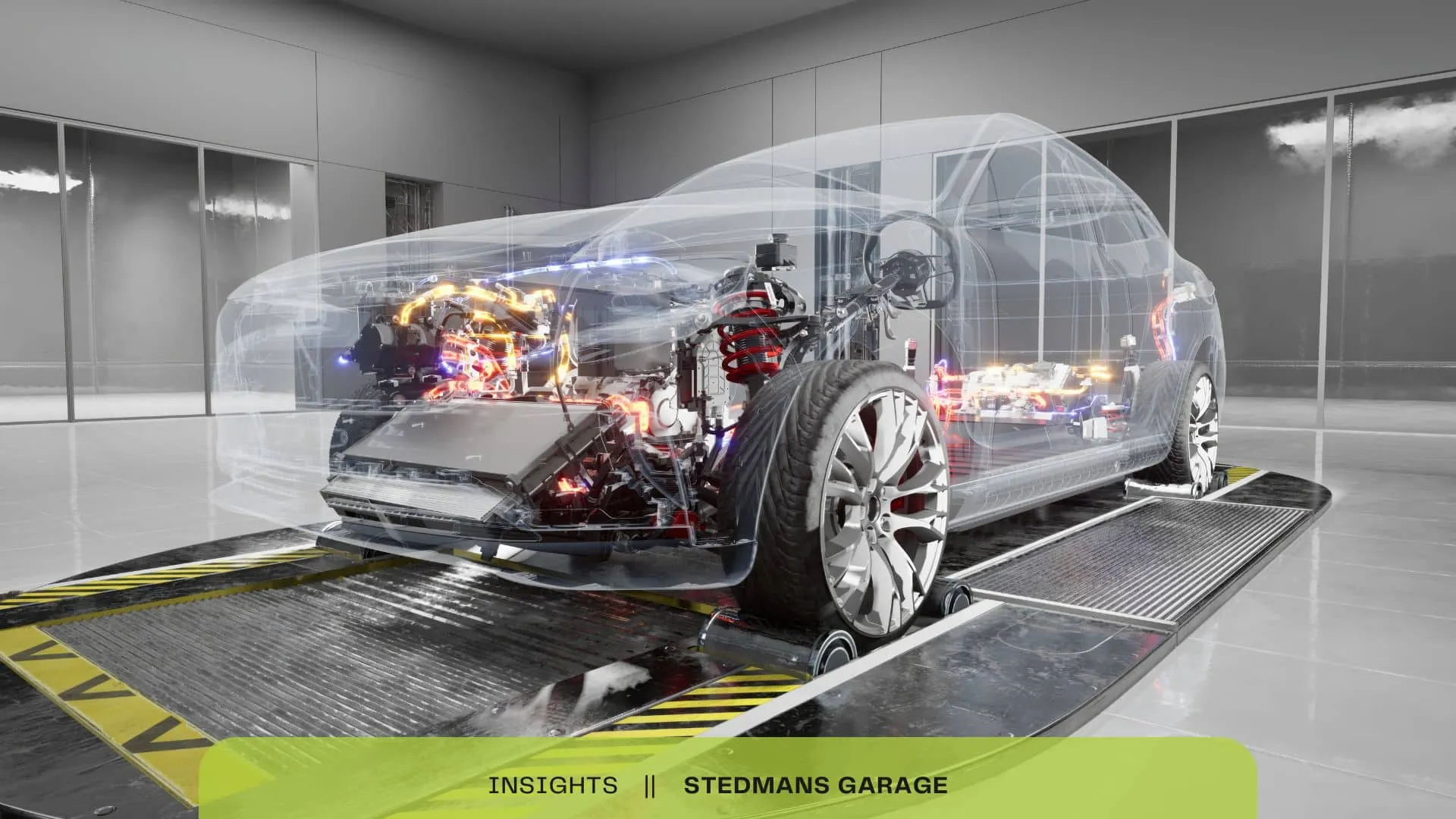
Understanding how electric vehicle drive modes work involves diving into the technology that underpins their operation. Electric vehicles rely on complex software and hardware components to manage their performance across different modes.
The integration of drive modes with the vehicle's regenerative braking system and energy management systems is crucial. For instance, in Eco Mode, the car may engage regenerative braking more aggressively to recover energy when decelerating, while in Sport Mode, it may reduce regeneration to provide a more engaging driving experience.
The vehicle's computer continuously monitors various parameters, such as battery state, speed, and driver input, to optimise performance. This adaptability allows electric vehicles to adjust their behaviour dynamically, ensuring that drivers can enjoy the benefits of each drive mode in real-time.
Key Components Involved in Drive Modes:
- Battery Management System (BMS): Monitors battery health and optimises energy distribution based on drive mode.
- Electric Motor Control Unit: Adjusts the power output delivered to the wheels, tailored to the selected drive mode.
- Regenerative Braking System: Allows the vehicle to recover energy during braking, with performance adjusted based on the selected mode.
- Thermal Management System: Regulates the temperature of the battery and motor, influencing efficiency and performance.
Each drive mode's effectiveness relies on these components working seamlessly together, highlighting the sophistication of electric vehicle technology.
Advantages and Disadvantages of Different Drive Modes
Understanding the advantages and disadvantages of different electric vehicle drive modes can help drivers make informed choices about which mode to use in various situations.
Advantages:
- Energy Efficiency: Modes like Eco and Range prioritise energy conservation, allowing for longer trips on a single charge.
- Performance Options: Sport Mode provides enhanced performance for those looking for a more engaging driving experience.
- Customisation: Drivers can tailor their driving experience based on personal preferences and driving conditions.
Disadvantages:
- Compromised Comfort: Some modes may limit comfort features, making longer drives less enjoyable.
- Reduced Performance: In modes prioritising efficiency, such as Eco, the vehicle may feel less responsive.
- Complexity: New drivers may find it challenging to understand when to use each mode effectively.
Choosing the Right Drive Mode for Your Needs
Selecting the appropriate drive mode for your electric vehicle can significantly impact your driving experience. Here are some actionable insights for UK drivers to help optimise their driving experience with different modes:
- Assess Driving Conditions: If you are driving in city traffic, consider using Eco Mode to maximise your range. For long motorway journeys, Range Mode can help conserve battery life.
- Consider Your Driving Style: If you enjoy a spirited driving experience, Sport Mode may be the best fit for you. However, be mindful of the potential reduction in range.
- Plan for the Journey: If you know you will be on a long trip with limited charging opportunities, activating Range Mode before you set off can provide peace of mind.
- Experiment with Comfort Mode: For everyday driving, Comfort Mode can provide a balanced experience that suits various conditions, making it a solid default option.
- Stay Informed: Familiarise yourself with your vehicle's specific features and capabilities to make the most of your electric vehicle drive modes.
Actionable Tips for Using Electric Vehicle Drive Modes
To enhance your driving experience and efficiency, consider the following actionable tips for effectively using electric vehicle drive modes:
- Familiarise Yourself with Your Vehicle’s Manual: Understand the specifics of your electric vehicle’s drive modes and how they function.
- Practice Using Different Modes:
- Monitor Energy Consumption:
- Utilise Regenerative Braking:
- Plan Charging Stops Strategically:
- Engage in Eco Driving Practices:
Conclusion
Understanding electric vehicle drive modes is essential for UK drivers considering the switch to electric vehicles. Each drive mode, be it Eco Mode, Sport Mode, Comfort Mode, or Range Mode, offers distinct benefits tailored to different driving styles and conditions. By knowing how these modes work and their respective advantages and disadvantages, drivers can make informed choices that enhance their overall driving experience.
As the electric vehicle market continues to evolve and expand, exploring these features can help you maximise your driving efficiency and enjoy the benefits of sustainable transportation. If you’re contemplating an electric vehicle, delve deeper into the different drive modes available, and start planning your electrifying journey today!