

Introduction
For many UK enthusiasts and owners, the Land Rover Defender is not just a vehicle but a symbol of rugged durability and adventure. Its iconic stature goes beyond aesthetics; understanding the complexities of Defender electrical issues is crucial for maximising performance and reliability. This blog aims to equip Defender owners, automotive enthusiasts, and potential buyers with essential knowledge about common electrical faults, how they manifest, and effective troubleshooting methods.
In the realm of Defender troubleshooting, various issues can arise, from battery problems to wiring faults that significantly impact performance. By familiarising yourself with these challenges, you can ensure that your Defender remains roadworthy, enabling you to tackle any terrain with confidence. This comprehensive guide will cover the Defender's electrical system, identify common faults, and provide actionable insights for successful troubleshooting.
An Overview of the Defender’s Electrical System
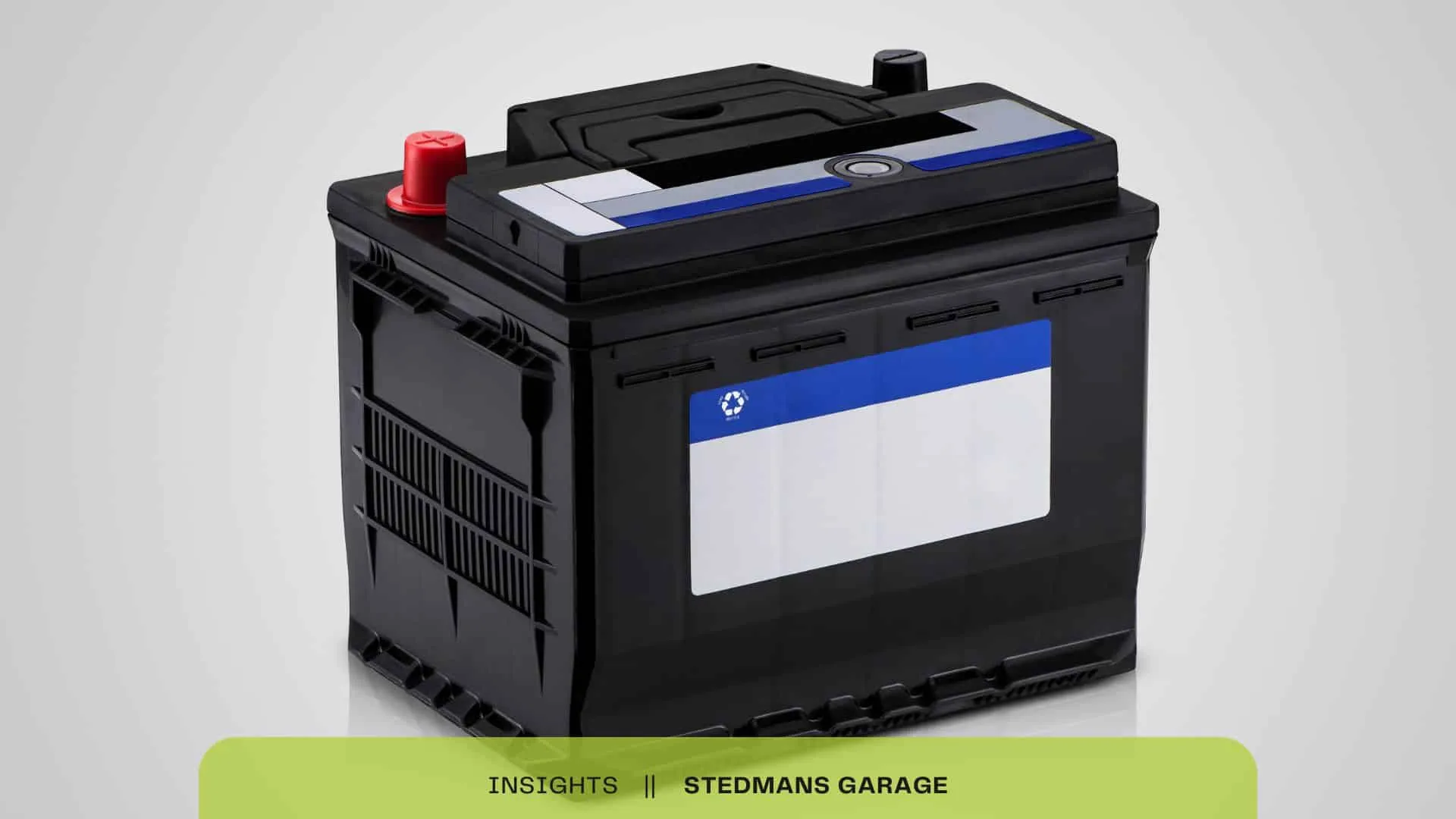
Understanding your Defender's electrical system is crucial for diagnosing issues effectively. The Defender features a complex network of electrical components that govern its operation. Here’s a breakdown of the primary components:
Key Components of the Defender's Electrical System
- Battery: As the powerhouse of the vehicle, the battery supplies the necessary electrical energy to start the engine and power various accessories.
- Wiring Loom: This intricate assembly connects different electrical components, enabling effective communication.
- Fuses and Relays: These protective devices safeguard against overloads, while relays control power to high-load components.
- Lighting Systems: Headlights, indicator lights, and interior lights rely heavily on the electrical system for safety and convenience.
- Control Units: Modern Defenders use electronic control units (ECUs) to manage various functions, from engine performance to climate control.
Understanding these components will assist you in troubleshooting electrical issues. With knowledge of how each part operates, you're better equipped to identify signs of malfunction, manage repairs, and maintain overall vehicle performance.
Common Electrical Issues in Defender Vehicles

Navigating the intricacies of electrical problems can be daunting. Below are some prevalent electrical issues encountered by Defender owners, along with their symptoms and troubleshooting methods.
Battery Problems and Their Symptoms
The battery is fundamental to any vehicle’s electrical system. A well-functioning battery is vital for reliable start-ups and overall performance. However, various issues can compromise its functionality:
Symptoms of Battery-Related Issues:
- Slow Engine Crank: If the engine cranks slowly or hesitantly, it may indicate a weakening battery due to age or poor charging.
- Dashboard Warning Lights: Illuminated battery warning lights can signal potential voltage issues.
- Electrical Accessory Malfunctions: Dimming lights or flickering displays may indicate low battery voltage, impacting accessories like the radio and heater.
Causes and Effects:
- Age and Wear: Batteries generally last around 4 to 5 years. As they age, their charge retention declines. Regular checks are essential, particularly in colder weather.
- Corrosion: Corroded terminals can hinder current flow, causing starting issues. Regular cleaning can prevent this problem.
Actionable Tip: If you suspect battery issues, test its voltage using a multimeter. A healthy battery typically reads between 12.6 and 12.8 volts when idle.
Faulty Wiring and Connections
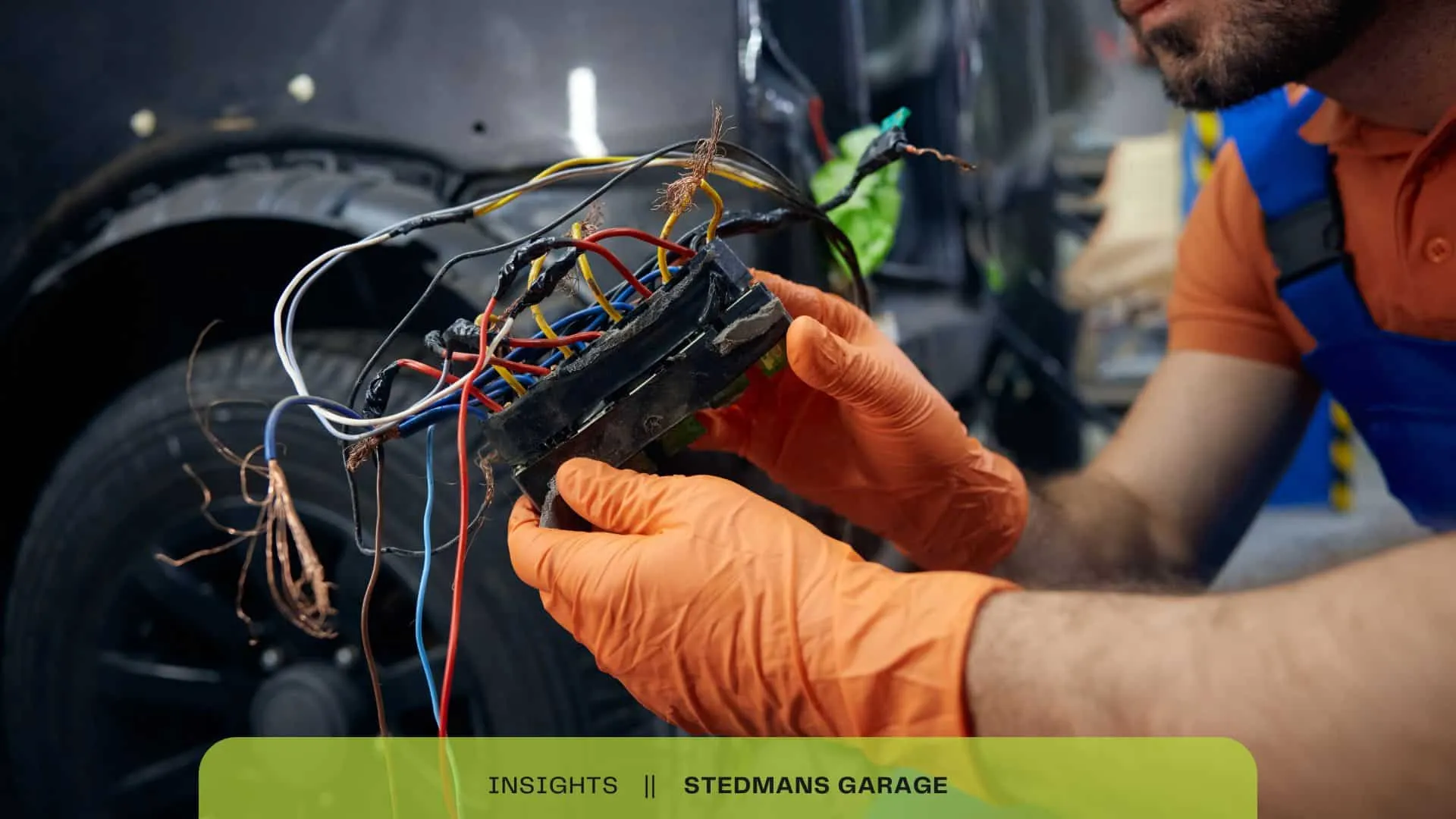
Wiring issues can lead to various electrical faults, affecting everything from engine performance to lighting systems.
How Damaged Wiring Can Lead to Faults:
- Signs of Wiring Damage: Frayed or exposed wires may trigger short circuits, blown fuses, or complete failures.
- Common Areas for Wiring Issues: Focus on the battery area, under the dashboard, and behind the headlamps where vibrations and environmental elements often compromise wiring integrity.
Consequences:
- Intermittent Electrical Failures: Accessories may function sporadically, indicating potential wiring faults.
- Short Circuits: Damaged wiring can lead to short circuits, disabling components or causing fuse damage.
Actionable Insight: Regularly inspect the wiring and connections for wear and tear, especially after extensive off-road use.
Issues with Fuses and Relays
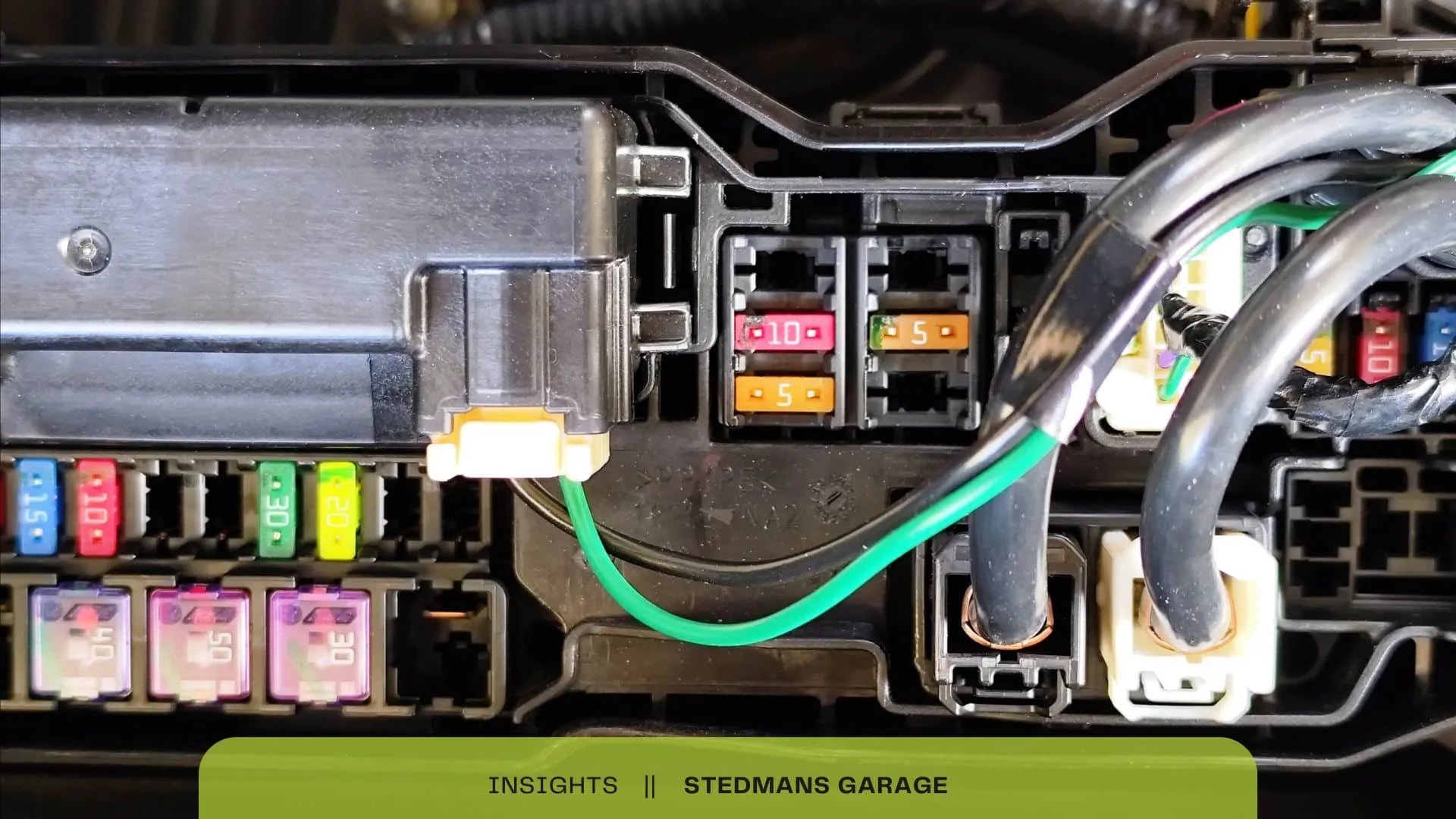
Fuses and relays are essential for protecting and controlling various electrical systems. Understanding their operation simplifies troubleshooting.
How Fuses and Relays Work:
- Fuses: These devices break the circuit if excessive current flows through, preventing overheating and potential fires.
- Relays: They act as switches that control larger electrical loads, allowing low-power switches to manage high-power circuits.
Typical Problems and Troubleshooting Tips:
- Blown Fuses: Frequent blowing of a fuse indicates an underlying issue, such as a short circuit or overload.
- Relay Failure: If components do not work and the fuses are intact, the relays may be stuck or burnt out.
Actionable Tip: For fuse replacements, always consult the vehicle’s manual to identify the correct amperage for each circuit. Overloading a fuse can lead to more significant electrical issues.
Lighting and Accessory Failures

Defender owners often face issues with vehicle lights and accessories, impacting safety and convenience.
Common Failures Related to Vehicle Lighting and Accessories:
- Headlight Failures: Burnt-out bulbs, blown fuses, or defective wiring can lead to headlight failures.
- Dashboard Light Malfunctions: Flickering or non-functioning dashboard lights often indicate wiring issues or faulty bulbs.
Potential Causes and Their Implications:
- Poor Ground Connections: Inadequate ground connections can lead to erratic lighting performance. Regular checks help ensure connections are clean and secure.
- Moisture Ingress: Water ingress can damage electrical connectors, causing significant electrical failures. Regular checks for water damage can prevent issues.
Actionable Insight: Conduct routine inspections of all bulbs and connections, replacing any worn components immediately.
Troubleshooting Electrical Problems in Your Defender

If you encounter electrical issues in your Defender, knowing how to troubleshoot can save time and repair costs. Here are some step-by-step techniques:
Step-by-Step Troubleshooting Techniques
- Identify Symptoms: Observe the symptoms and when they occur. Documenting details aids your investigation.
- Use Diagnostic Tools:
- Examine Components:
- Visual Inspection of Wiring: Look for frayed wires or loose connections, particularly in high-movement or exposed areas.
- Perform Isolated Tests: Isolate specific components if troubleshooting. For instance:
- Consult the Manual: Always refer to the Defender's official repair manual for guidance on wiring schematics, circuit layouts, and component locations.
Safety Precautions
- Always disconnect the battery before working on electrical systems to prevent shocks.
- Ensure your workspace is well-lit and clutter-free.
Actionable Tips for Preventing Electrical Issues
Maintaining your Defender's electrical system requires diligence and proactive measures. Here are some practical tips to sustain electrical health:
- Regular Inspections: Frequently check battery connections, wiring harnesses, and fuse boxes for wear.
- Keep Components Clean: Clean terminals and connectors to reduce corrosion and enhance conductivity.
- Moisture Protection: Ensure seals and gaskets are intact to mitigate water ingress. Consider using moisture-resistant sprays.
- Charge the Battery Regularly: Charge your battery regularly, especially if used infrequently. Optimal charge levels can significantly extend battery life.
- Document Issues: Maintain a log of electrical issues and repairs. Patterns can help catch recurring problems before they escalate.
- Know When to Seek Professional Help: Enlist professional assistance for complicated electrical issues to save time and prevent damage.
Conclusion
Navigating electrical issues in your Land Rover Defender doesn’t have to be daunting. By understanding common problems such as battery issues, faulty wiring, and lighting failures, you can troubleshoot and resolve concerns effectively. Regular maintenance and prompt attention to electrical faults are essential for keeping your Defender in peak condition, allowing you to enjoy all the adventures that await you.
Whether you’re an ardent enthusiast or a potential buyer keen on understanding the Defender’s capabilities, staying informed about its electrical systems is vital. Addressing these issues promptly will ensure you maximise the potential of your Defender.
Stay informed and keep your Defender running smoothly!