
Introduction
The Tesla Model S stands as a flagship vehicle in the realm of electric vehicles (EVs), combining cutting-edge technology, impressive performance, and environmental consciousness. As the first fully electric luxury sedan, it has redefined consumer expectations around electric mobility. This blog will provide UK electric vehicle enthusiasts, potential Tesla buyers, and current Model S owners with essential information about the vehicle, including its specifications, common issues, and maintenance tips. By the end of this article, readers will have a comprehensive understanding of the Tesla Model S, including insights into Tesla issues, performance, and best practices for ownership.
Overview of the Tesla Model S
The Tesla Model S debuted in 2012 and has since evolved through various upgrades and iterations. It is known for its sleek design, rapid acceleration, and a range that has consistently outperformed many competitors.
Key Specifications
Performance
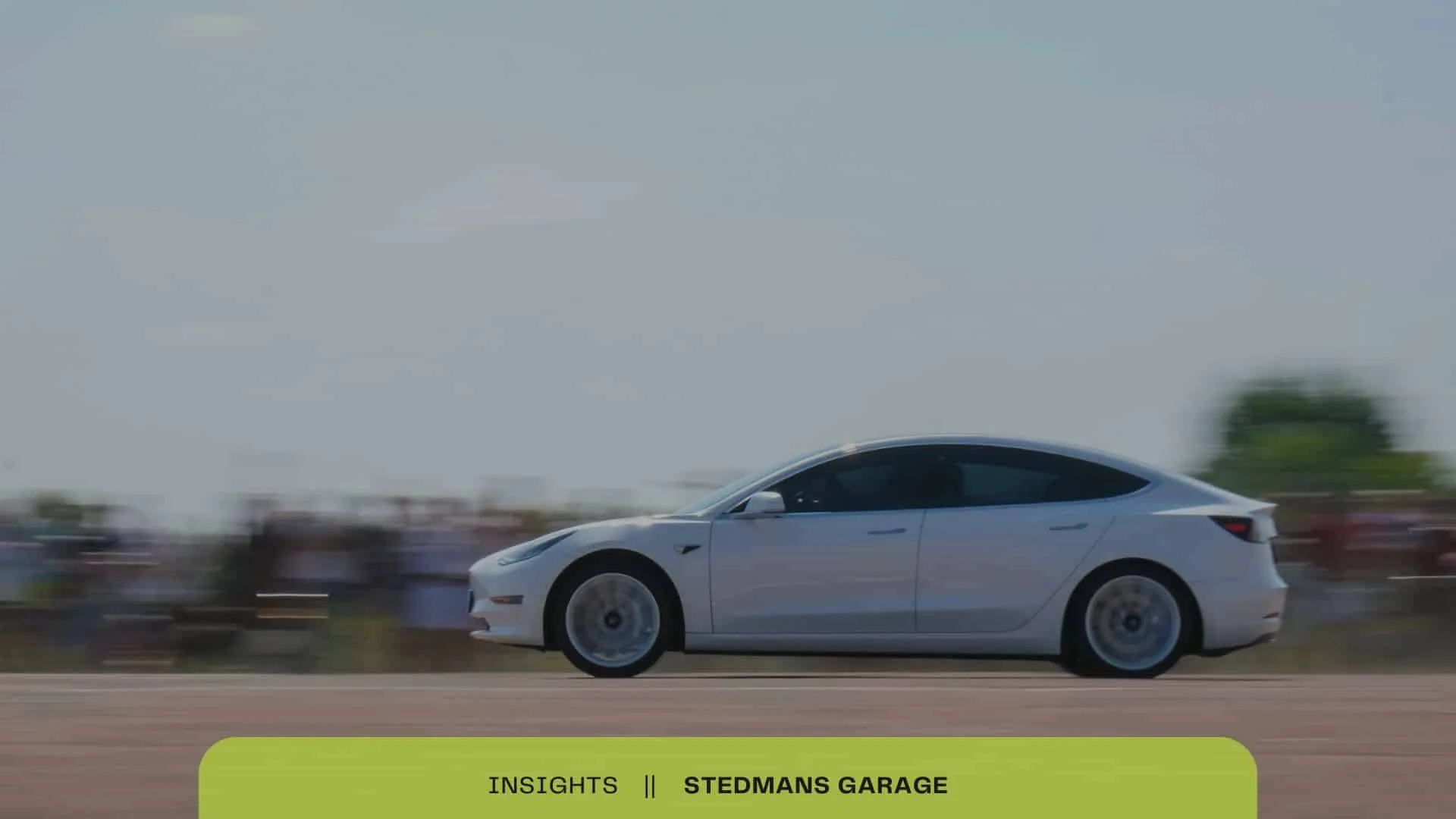
The Model S offers various configurations, with the Long Range version providing a 0-60 mph time of just 3.1 seconds and a top speed of 162 mph. The Plaid variant takes performance to another level, boasting a staggering 1,020 horsepower, enabling it to reach 0-60 mph in an astonishing 1.99 seconds.
Battery and Range
The Model S is equipped with a high-capacity lithium-ion battery that allows for a range of up to 405 miles on a single charge, depending on the model. This impressive range makes it suitable for both city driving and long-distance travel across the UK.
Interior Features
The Model S features a minimalist interior that includes a 17-inch touchscreen interface, a premium audio system, and extensive safety features. The spacious cabin can comfortably seat five adults, with additional storage in the front trunk and rear hatch.
Autopilot and Full Self-Driving
Tesla's advanced driver-assistance system, Autopilot, comes standard and includes features such as adaptive cruise control and lane-keeping assistance. The optional Full Self-Driving Package adds even more capabilities, including automatic lane changes and the ability to navigate on autopilot.
Significance in the Electric Vehicle Landscape
The Tesla Model S has played a pivotal role in popularising electric vehicles, proving that EVs can deliver luxury, performance, and technology on par with traditional combustion engine cars. Its success has inspired other manufacturers to invest in electric models, accelerating the transition toward sustainable mobility.
In comparison to competitors like the Porsche Taycan and the Audi e-tron GT, the Model S often leads in terms of range, performance, and software capabilities. This makes it an attractive option for those looking to make the switch to electric without compromising on luxury or performance.
Common Issues Faced by Tesla Model S Owners
While the Tesla Model S is widely regarded for its innovation and performance, it is not without its challenges. Understanding these common issues can help current and prospective owners make informed decisions and take proactive measures.
Battery Life Concerns
Understanding Battery Life in Electric Vehicles
Battery life is one of the most critical aspects of electric vehicle ownership. It refers to the lifespan of the battery before its capacity diminishes, impacting range and performance.
Common Battery-Related Issues
- Degradation Over Time: Like all lithium-ion batteries, the Model S's battery experiences gradual degradation. On average, Tesla batteries retain around 70 to 80% of their capacity after eight years, although this can vary based on usage patterns and environmental factors.
- Performance Drops: Some owners have reported a drop in performance as the battery ages, particularly in colder weather, where battery efficiency can be further impacted.
Advantages and Disadvantages of Tesla’s Battery Technology
Advantages:
- Long Range: The Model S's battery technology allows for an extended range, outpacing many competitors.
- Fast Charging: Tesla's Supercharger network enables rapid charging, allowing for long-distance travel with minimal downtime.
- Warranty Coverage: Tesla offers an 8-year warranty for battery performance, providing peace of mind to owners.
Disadvantages:
- Battery Replacement Cost: If degradation becomes significant, battery replacement can be costly, running into several thousand pounds.
- Environmental Concerns: The production and disposal of lithium-ion batteries raise environmental questions, although Tesla is working to improve sustainability.
Maintenance Tips for Battery Life
- Avoid Full Discharges: Regularly charging the battery and avoiding letting it drop below 20% can help prolong its lifespan.
- Limit Fast Charging: While convenient, frequent use of Superchargers can contribute to faster wear. Opt for home charging when possible.
- Keep it Cool: Extreme temperatures can affect battery performance. Whenever possible, park in shaded areas or garages to mitigate heat-related issues.
Software Updates and Performance Bugs
The Process of Software Updates in Tesla Vehicles
Tesla vehicles are known for their ability to receive over-the-air software updates, allowing for continuous improvement and new features without dealership visits. However, while these updates are generally beneficial, they can sometimes introduce performance bugs.
Common Performance Issues Reported
- Lagging Interface: Some users have reported instances of the touchscreen interface lagging or freezing after software updates.
- Autopilot Bugs: Occasionally, issues may arise with the Autopilot feature, such as incorrect lane detection or sudden braking, which can affect the driving experience.
Impact on Driving Experience
While many updates enhance vehicle performance and add new functionalities, the introduction of bugs can lead to frustration and safety concerns. Tesla actively encourages owners to report any issues they encounter to improve future updates.
Suspension Problems
Common Suspension Issues
Reports of suspension problems have surfaced among some Model S owners, particularly concerning the air suspension system. Common symptoms include:
- Unusual Noises: Owners may hear clunking or creaking sounds when driving over bumps.
- Height Adjustment Issues: Some users have experienced problems with the air suspension failing to adjust correctly, leading to a rougher ride.
Causes of Suspension Problems
- Wear and Tear: Regular use, particularly in areas with poor road conditions, can contribute to suspension wear.
- Moisture Ingress: In some cases, moisture can enter suspension components, leading to corrosion and failure.
Importance of Regular Maintenance
Regular maintenance and inspections can help identify potential suspension issues early on. Tesla recommends periodic checks of the suspension system, particularly for high-mileage vehicles or those that frequently encounter rough terrain.
Charging Issues
Common Charging-Related Problems
As electric vehicles rely heavily on charging infrastructure, issues can arise that affect the charging experience. Common problems include:
- Incompatibility with Charging Stations: Some Model S owners have reported issues with certain third-party charging stations not being compatible with their vehicle.
- Home Charging Setup Challenges: Inadequate home charging setups can lead to slow charging speeds or insufficient power delivery.
Optimising Charging Practices
To enhance charging performance and avoid potential issues:
- Use Tesla Superchargers: Whenever possible, utilise Tesla's Supercharger network for fast and efficient charging.
- Install a Home Wall Connector: For daily charging, a Tesla Wall Connector can provide faster charging speeds compared to standard outlets.
Maintenance Tips for Tesla Model S Owners
Proper maintenance is crucial for ensuring the longevity and performance of your Tesla Model S. Here are some essential maintenance tips tailored to the UK environment:
Regular Software Updates
- Keep Your Software Updated: Regularly check for and install software updates to ensure your vehicle has the latest features and security enhancements.
Battery Maintenance
- Monitor Battery Health: Regularly check the battery health via the vehicle’s interface and be proactive about charging habits to maximise battery life.
Tire Maintenance
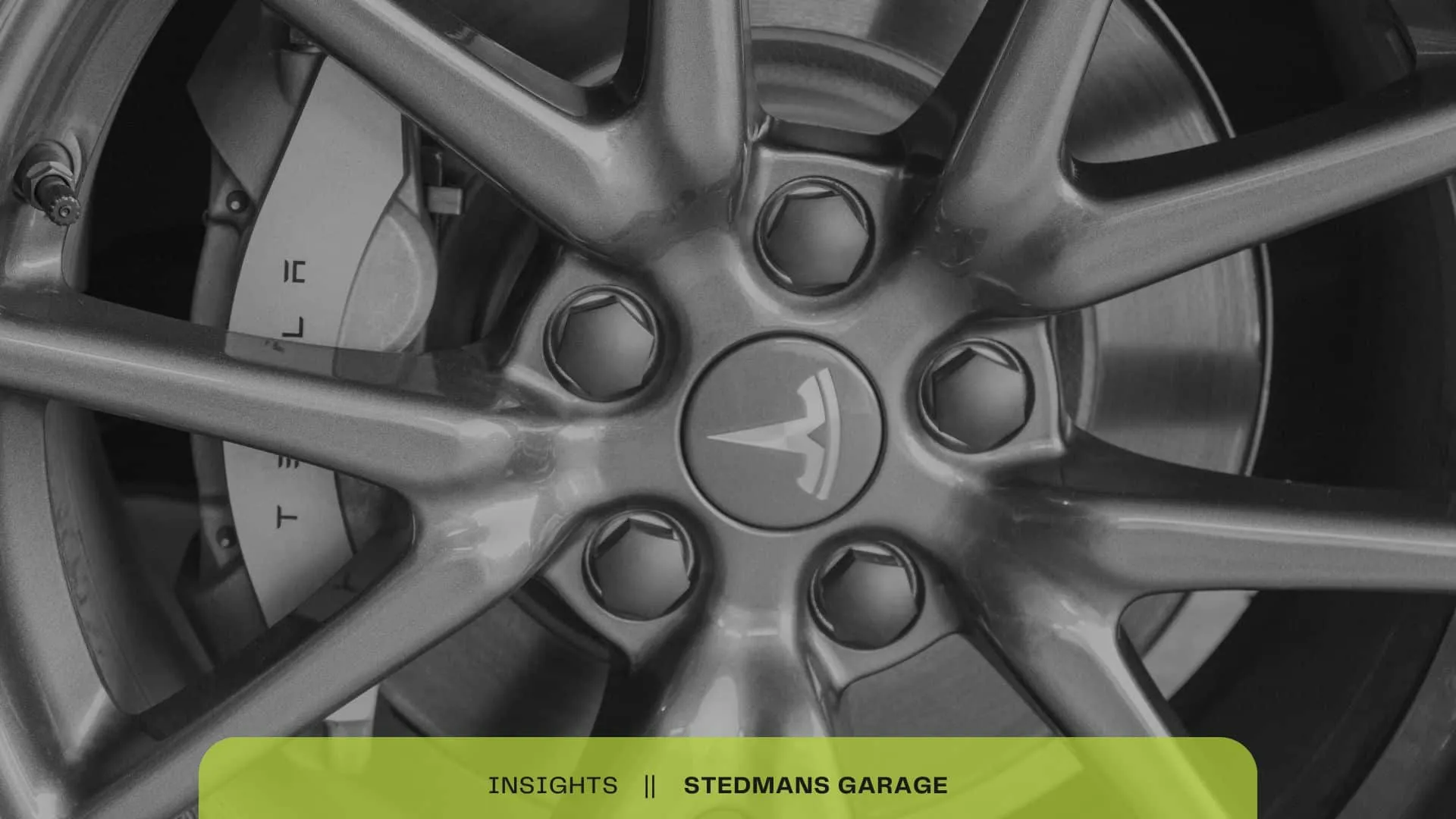
- Regularly Check Tire Pressure: Maintaining the correct tire pressure can enhance both performance and efficiency. Check your tire pressure monthly and before long trips.
- Rotate Tires Regularly: To prevent uneven wear, rotate your tires every 6,000 miles or as recommended by Tesla.
Brake Maintenance
- Inspect Brakes Periodically: Tesla's regenerative braking system reduces wear on brake components, but it's still essential to inspect them regularly for optimal performance.
Environmental Considerations
- Protect Against the UK Weather: The UK's unpredictable climate can affect your vehicle. Regularly wash your Model S to remove road salt and debris, particularly during winter, to prevent corrosion.
User Experiences and Testimonials
Understanding the perspectives of current Tesla Model S owners can provide valuable insights for potential buyers. Here are some real-world experiences from UK owners:
Positive Experiences
- High Performance: Many owners rave about the Model S's powerful performance, with one stating, "The acceleration is mind-blowing; it's like driving the future."
- Excellent Customer Support: Several owners have praised Tesla's customer service, particularly the responsiveness to issues reported via the app.
Challenges Faced
- Software Bugs: Some owners have noted occasional software glitches, mentioning that they had to wait for updates to resolve issues that affected the driving experience.
- Charging Infrastructure: A few users expressed frustration about the availability of charging stations in rural areas, highlighting the need for improved infrastructure.
Actionable Tips Section
Here are some actionable strategies for Tesla Model S owners in the UK to optimise their ownership experience:
- Regular Software Checks: Set up notifications for software updates in the Tesla app to ensure you never miss an important update.
- Battery Care: Use scheduled charging settings to charge during off-peak hours to save on electricity costs.
- Suspension Maintenance: Schedule regular inspections of your suspension system, especially if you notice any unusual sounds or handling issues.
- Charging Practices: Use the Tesla app to plan trips and identify Supercharger stations along your route, ensuring you’re never caught without charging options.
- Owner Community Engagement: Engage with other Tesla owners through online forums or local groups for shared experiences, tips, and advice on common issues.
Conclusion
Understanding the Tesla Model S (its performance, common issues, and maintenance tip) is essential for anyone looking to own or currently owning this revolutionary electric vehicle. By staying informed about Tesla issues, embracing regular maintenance, and engaging with the owner community, you can enhance your ownership experience and enjoy the many benefits of the Model S. Whether you're a potential buyer or a seasoned owner, being proactive will help ensure that your Tesla Model S remains a reliable and high-performing vehicle for years to come.
If you have experiences or questions about the Tesla Model S, feel free to share them or reach out for more information. Embrace the future of driving today!