
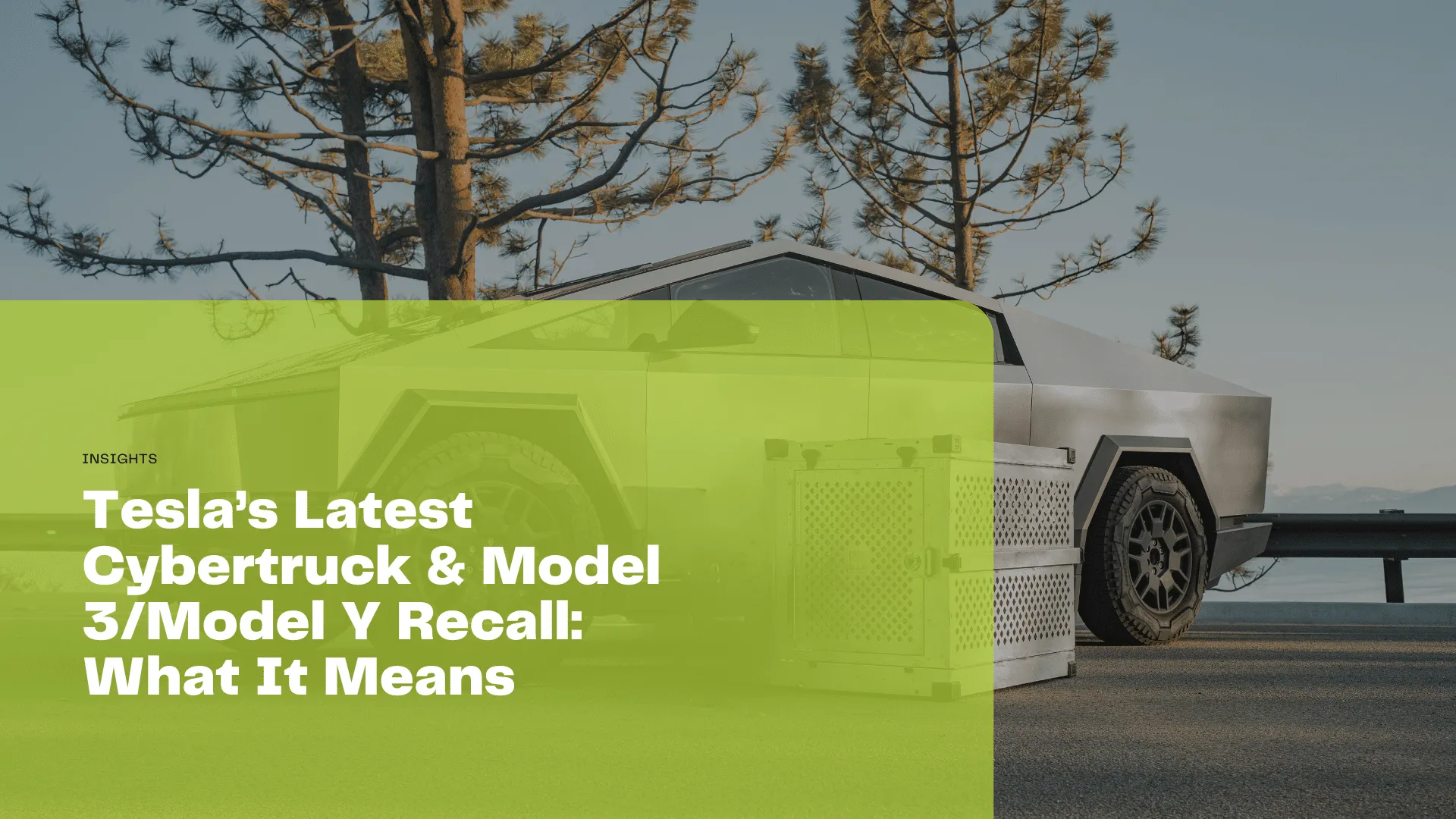
Tesla announced recalls affecting multiple models, including the eagerly anticipated Cybertruck. As electric vehicles (EVs) continue to shape the future of the automotive industry, understanding these developments is crucial for Tesla owners, potential buyers, automotive enthusiasts, and anyone interested in vehicle safety. This blog post aims to provide a comprehensive overview of Tesla's latest recalls, particularly focusing on the Cybertruck and the Model 3/Model Y. We will explore the implications of these recalls, their historical context, and what they mean for the future of Tesla and the EV market as a whole.
Overview of Tesla’s Latest Recalls
Tesla's recent recalls have attracted considerable attention within the automotive community, particularly due to the implications for vehicle safety and reliability. The recalls primarily involve the Cybertruck, Model 3, and Model Y, with a combined total affecting thousands of vehicles globally.
Specific Models and Reasons Behind the Recalls
The recalls stem from two main issues: the Cybertruck's cantrail trim and a power steering concern affecting the Model 3 and Model Y. The cantrail trim of the Cybertruck may not meet safety standards, potentially posing risks to both drivers and pedestrians. Meanwhile, the power steering issue in the Model 3 and Model Y could lead to loss of steering control, which is a significant safety concern.
Timeline of the Recalls
Tesla has a history of proactively addressing vehicle issues, and this latest round of recalls is no exception. The Cybertruck recall was announced shortly after reports surfaced regarding the trim's failure to meet regulatory standards. The Model 3 and Model Y recalls followed, with Tesla promptly informing owners and providing details about the issues and remedies.
The Cybertruck Recall: An In-Depth Analysis
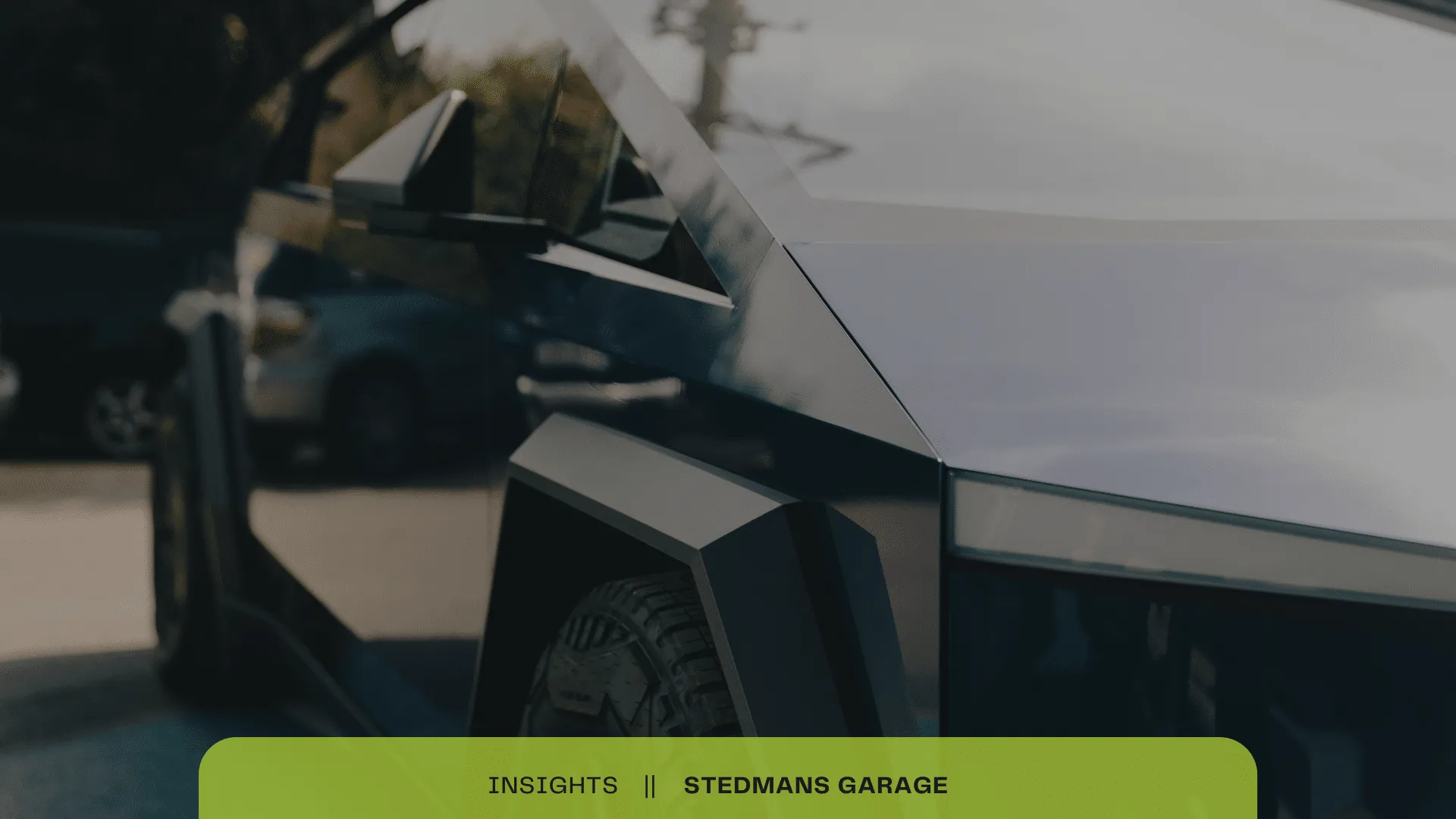
The Cybertruck represents a new frontier in electric vehicle design, yet it is not without its challenges. The recent recall concerning the cantrail trim is a notable point of concern.
Understanding the Cantrail Trim Issue
The cantrail trim is the vertical component that runs alongside the windshield and door areas, providing structural integrity and aesthetic appeal. In the case of the Cybertruck, it has been discovered that the trim may not be securely attached, leading to potential detachment while driving. This poses a risk not only to the driver but also to pedestrians, as loose trim could become a projectile in the event of sudden stops or collisions.
Potential Consequences of the Issue
The consequences of the cantrail trim issue are significant. For drivers, detachment during operation could impede visibility and result in dangerous driving conditions. For pedestrians, falling debris poses a direct physical threat. Given the Cybertruck's unique design and high visibility, this issue has raised alarms regarding vehicle safety and regulatory compliance.
Tesla's Proposed Remedy
In response to the recall, Tesla has announced a comprehensive plan to rectify the issue. The company will contact affected owners directly and provide instructions for rectifying the trim issue. Tesla's approach includes offering over-the-air updates, which are a hallmark of the company's innovation. This means that in many cases, owners may not need to visit a service centre, as the software updates can be implemented remotely to ensure the proper function of vehicle components.
The Model 3 and Model Y Recall: Understanding the Power Steering Issue
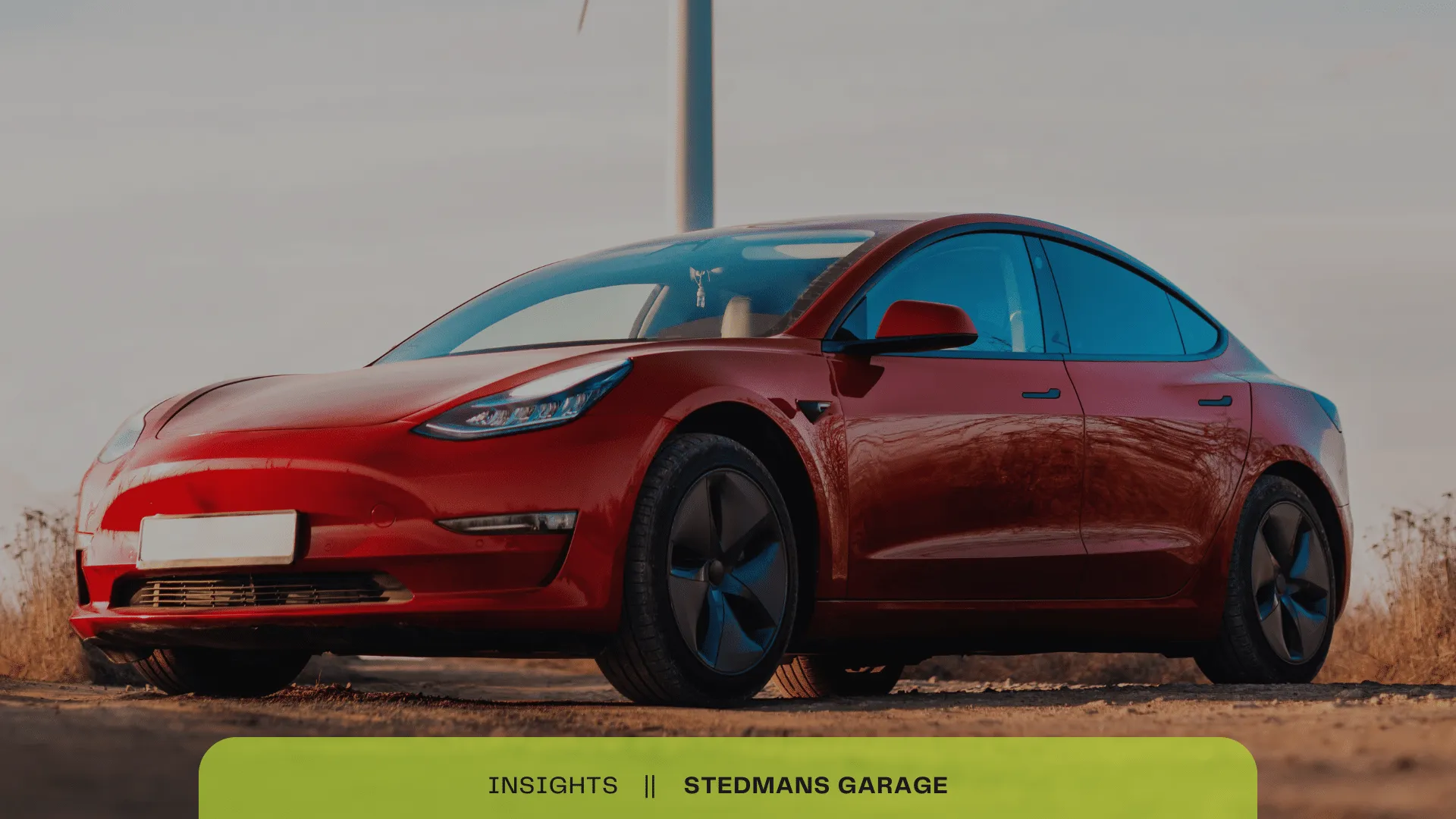
The Model 3 and Model Y have been pivotal models for Tesla, contributing significantly to its market presence. However, the recent recall concerning a power steering issue raises important questions about vehicle safety.
What is the Power Steering Issue?
The power steering issue affects the Model 3 and Model Y's ability to respond adequately under certain driving conditions. Reports suggest that the steering assistance may fail, resulting in a loss of control. This issue can arise unexpectedly, especially in situations requiring quick manoeuvres, making it a serious safety concern for drivers.
Tesla's Remedy and Over-the-Air Updates
Tesla has been proactive in addressing the power steering issue by providing an over-the-air software update. This update is designed to recalibrate the power steering system to restore normal functionality. By leveraging over-the-air technology, Tesla can implement fixes rapidly, minimising inconvenience for owners. While over-the-air updates are convenient, owners should still ensure the update is successfully installed and address any concerns with Tesla service. This method contrasts sharply with traditional automotive recalls, which often require physical visits to service centres.
Communication with Owners
Tesla has emphasised its commitment to transparency and effective communication with its customers. The company utilises its app and email notifications to inform owners about recalls and software updates. This proactive communication strategy helps build trust and ensures owners are aware of any potential issues with their vehicles.
Implications of Recalls for Tesla and Its Customers
The implications of these recalls extend beyond the immediate technical issues. They touch on customer trust, brand perception, and the broader context of Tesla's innovation in the automotive industry.
Impact on Brand Perception
For a company that prides itself on producing cutting-edge technology, recalls can be damaging to public perception. Customers may question the reliability of Tesla vehicles, particularly when significant safety issues are involved. However, Tesla's approach to handling recalls, through transparency, communication, and rapid response, can mitigate some of the negative impacts.
Customer Trust and Loyalty
Tesla's customer base is known for its loyalty, and how the company manages these recalls will play a crucial role in maintaining that trust. By handling recalls efficiently and involving owners in the resolution process, Tesla can reinforce its commitment to customer safety and satisfaction.
Sales Impact and Market Position
While recalls can create short-term challenges, they can also serve as an opportunity for Tesla to demonstrate its commitment to quality and safety. The company's ability to resolve issues quickly and effectively can position it as a leader in the EV market, potentially offsetting any negative sales impacts.
Tesla’s Recalls: A Historical Perspective
Understanding Tesla's recall history provides insight into how the company has navigated challenges in the past and what that means for the future.
Notable Instances of Recalls
Tesla has experienced several recalls since its inception, each of which has been met with varying degrees of public scrutiny. Notable recalls have included battery-related issues, software glitches, and safety concerns similar to the current recalls. In February 2023, more than 400,000 cars were recalled in the US and almost 35,000 in the UK. In December 2023, there was a recall of Tesla Model S and Model X cars, and in February 2021, Tesla recalled Model S and Model X cars in the UK.
Comparison to Other Automotive Manufacturers
When compared to traditional automotive manufacturers, Tesla's recall frequency appears relatively high. However, it's important to note that Tesla's business model, particularly its reliance on software and technology, means that issues can often be identified and addressed more quickly. In contrast, other manufacturers may have slower, more cumbersome recall processes.
Patterns and Trends
A trend in Tesla's recall history is the company's willingness to embrace technology as a solution. The use of over-the-air updates is a prime example of how Tesla seeks to turn potential setbacks into opportunities for improvement. This approach contrasts sharply with traditional methods, which often involve lengthy repair processes.
The Future of Tesla Recalls and Vehicle Safety
As the automotive industry evolves, so too will the nature of recalls and vehicle safety. The future holds many possibilities, particularly regarding vehicle technology and safety features.
Advancements in Technology
As electric vehicles become more sophisticated, advancements in technology are expected to reduce the likelihood of recalls. Features such as autonomous driving, enhanced sensors, and improved diagnostics will enable manufacturers to identify potential issues before they escalate into recalls.
Importance of Safety Standards
Maintaining rigorous safety standards will always be paramount, regardless of technological advancements. Tesla's current recalls underscore the importance of constant vigilance in safety practices. The company's proactive approach to recalls reflects its commitment to ensuring that safety remains a top priority.
Addressing Concerns Moving Forward
The recent recalls serve as a reminder that even the most innovative companies can encounter challenges. While Tesla's rapid response is positive, recalls still cause inconvenience and can raise concerns about initial quality control. By addressing these issues head-on and utilising technology to their advantage, Tesla can continue to lead the charge in electric vehicle safety and innovation.
Conclusion
In summary, Tesla's latest recalls, including the Cybertruck recall and the Model 3/Model Y power steering issue, highlight the complexities of vehicle safety and the importance of proactive communication with customers. Understanding the implications of these recalls is essential for current and potential Tesla owners, as well as for those interested in the future of electric vehicles.
Tesla’s commitment to customer safety and innovation is evident in its handling of these recalls. By leveraging technology and maintaining transparency, Tesla is setting a precedent in the automotive industry. For those concerned about their vehicles, it is vital to stay informed about recalls and utilise resources such as the Tesla VIN Recall Search tool (available on the Tesla UK website) to ensure safety and reliability on the road.