
Introduction
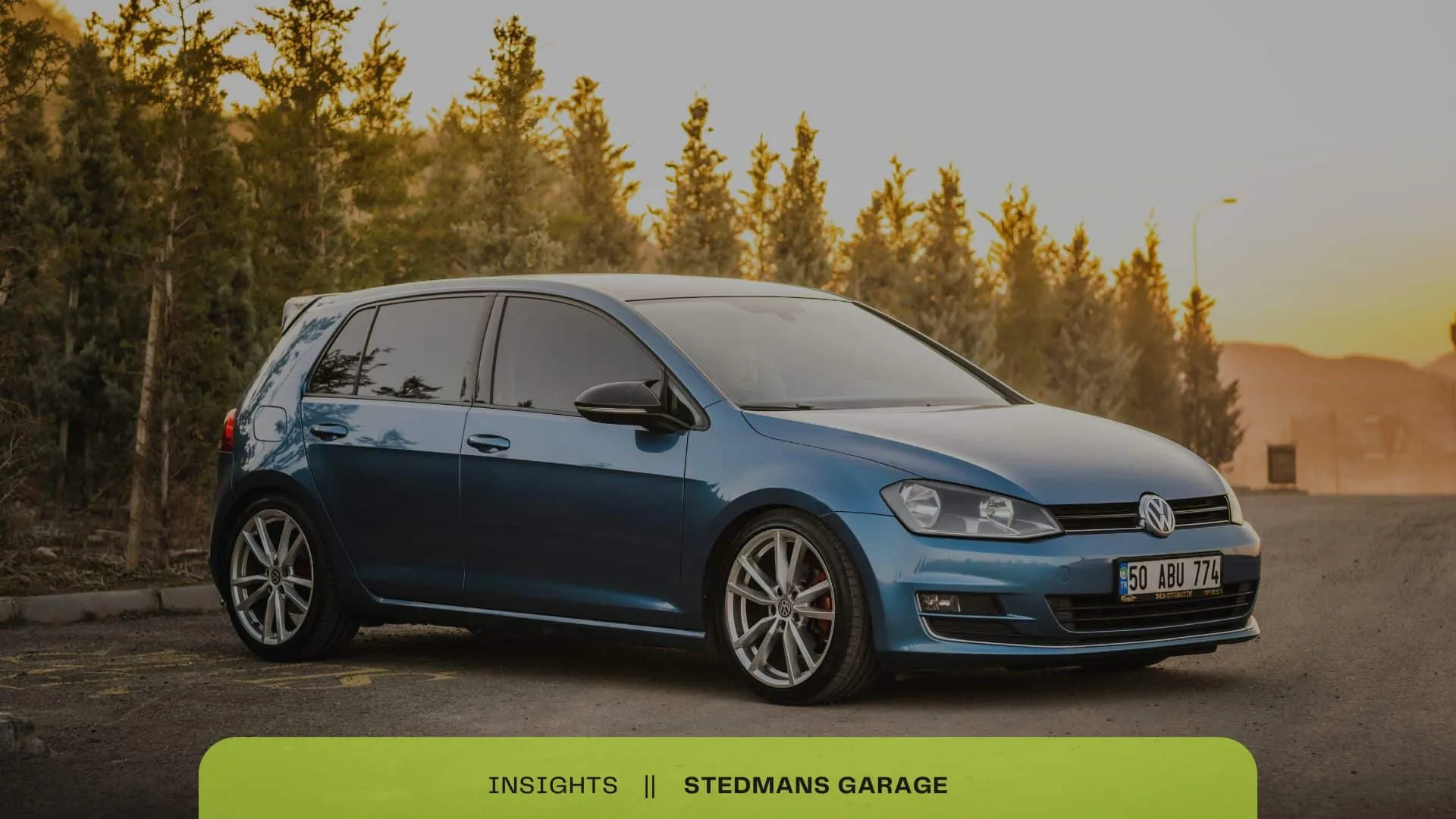
Over the past five decades, the Volkswagen Golf has evolved, meeting changing consumer demands and technological advancements. Today, we explore the enduring legacy and evolution of the Volkswagen Golf, illustrating how it continues to merge classic appeal with modern enhancements, securing its status as a top global choice.
The Volkswagen Golf’s Legacy and Evolution Over 50 Years
From its inception in 1974, the Volkswagen Golf has become a symbol of practicality and reliability. As noted by industry experts, the Golf has undergone several iterations, each enhancing the driving experience. Its adaptability to consumer needs and environmental considerations has led to over 37 million units sold globally, demonstrating its significant impact.
Blend of Classic Appeal and Modern Enhancements
The Golf balances its rich heritage with contemporary features. Even its most expensive model competes with luxury sports cars, underscoring its high-end allure. Volkswagen’s shift towards electric vehicles ensures the Golf remains relevant in a sustainability-focused future.
Design and Functionality
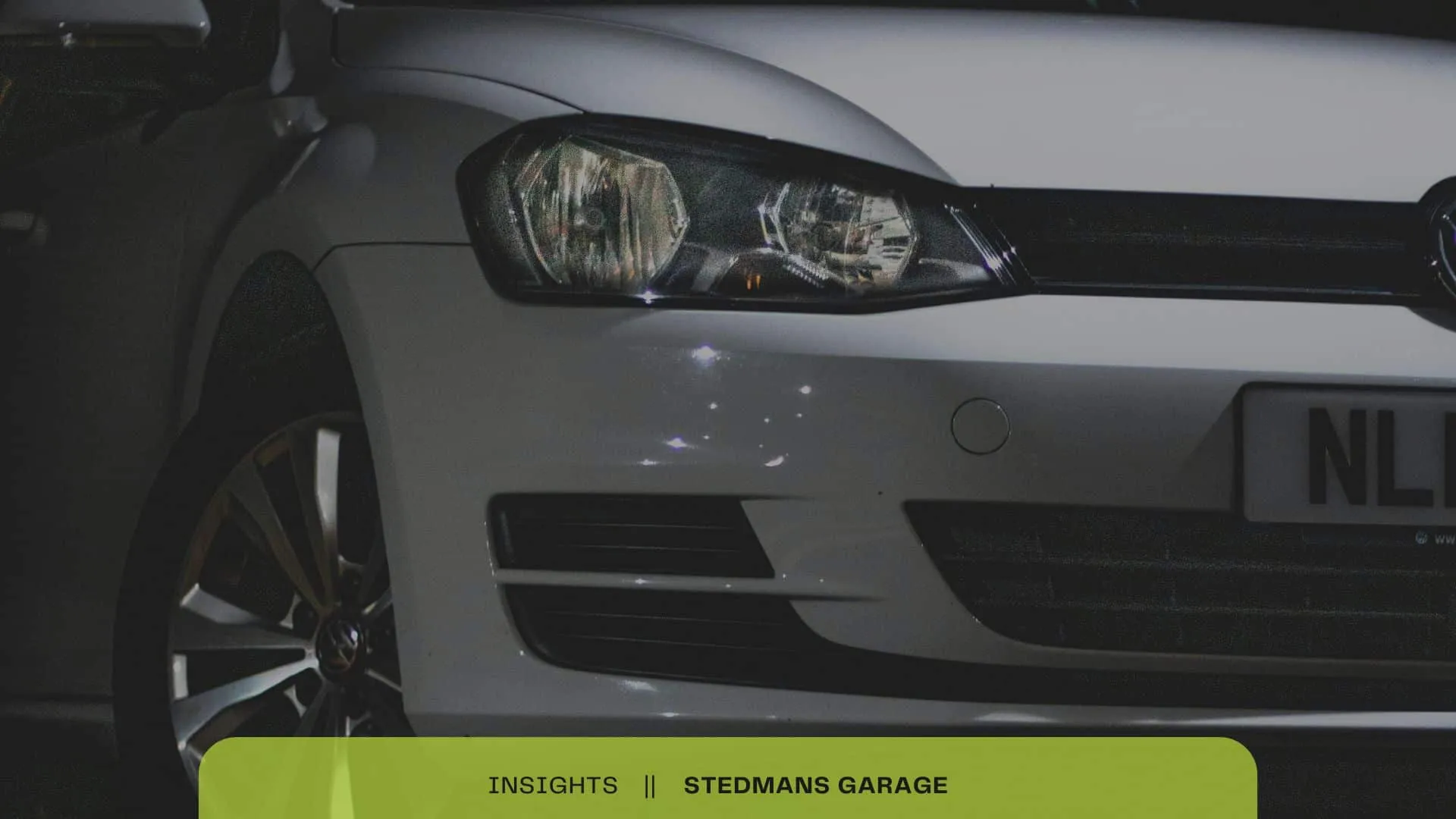
The 2024 Golf update introduces a facelift enhancing both aesthetics and performance. According to industry sources, the new LED light configurations and the revised front grille emphasise the model’s modernised look, maintaining its iconic Golf identity.
Sporty Elegance and Advanced Aerodynamics
The Golf’s design evolution has focused on aerodynamics and style, improving fuel efficiency and driving dynamics. The updated rear diffuser and new wheel designs contribute to the car’s sporty, functional appeal.
Driver-Centric Interior Layout
Updates to the interior focus on driver comfort and usability, with adjustments to the steering wheel and centre console ensuring an intuitive driving experience. The latest infotainment system features larger displays and user-friendly interfaces, enhancing interaction with the vehicle’s systems.
Performance and Engine Options
At the heart of the Volkswagen Golf lies a diverse array of engine options, each tailored to meet different driving needs and preferences. From economical choices for daily commuters to powerful setups for performance enthusiasts, the Golf’s engine lineup is designed to deliver satisfaction to every driver.
At the performance end, the four-wheel-drive Golf R brings its own servicing needs, which are set out in our Golf R AWD maintenance guide.
TSI Variants and the Performance-focused GTE Model
Volkswagen’s TSI petrol engines are a marvel of efficiency and power, ranging from the compact 1.0-liter three-cylinder to the more potent 2.0-liter four-cylinder variants. For those seeking a balance between power and fuel efficiency, the 1.5-liter TSI Evo stands out with its turbocharged performance and moderate fuel consumption. On the performance end, the GTE model, a plug-in hybrid, combines a traditional engine with electric propulsion to deliver a robust 242 horsepower while maintaining impressive fuel economy and reduced emissions.
Performance Across Various Driving Conditions
The Golf is designed to handle a spectrum of driving environments. The smaller engines are perfect for city driving, providing enough power for agile navigation in urban settings without compromising on fuel economy. For long-distance drivers, the 2.0-liter TDI diesel variants offer greater torque and efficiency, making them ideal for highway travel. The plug-in hybrid GTE model shines in both urban and rural settings, capable of running on pure electric power for short trips or engaging its gasoline engine for longer journeys, providing flexibility and efficiency.
Advanced Technology
The Volkswagen Golf is not just a car; it’s a technology hub on wheels. With each iteration, Volkswagen integrates cutting-edge technology to enhance both the driving experience and passenger convenience, making the Golf one of the most technologically advanced vehicles in its class.
IDA Voice Assistant and Customizable Digital Cockpit
The introduction of the IDA voice assistant has transformed the interaction between the Golf and its driver. Enhanced with natural language processing capabilities, IDA can control car functions, set navigation, and even interact conversationally with passengers. Complementing this is the Digital Cockpit, a fully digital instrument cluster that allows drivers to customise the display to show information relevant to their needs, from navigation aids to vehicle diagnostics, enhancing driving focus and safety.
Connectivity and Infotainment
The Golf’s infotainment system is a gateway to connectivity, featuring a large touchscreen that supports both Apple CarPlay and Android Auto, allowing for seamless smartphone integration. This system not only serves as an entertainment centre but also as a control panel for setting vehicle preferences and accessing a wide range of applications designed to enhance the driving experience.
Safety and Driver Assistance
The latest Volkswagen Golf builds on the brand’s strong safety foundation with advanced driver-assistance systems (ADAS) that make driving less stressful and safer. These features demonstrate Volkswagen’s commitment to safety, leveraging technology to protect passengers and other road users.
Adaptive Cruise Control and Proactive Safety Measures
Adaptive Cruise Control (ACC) is a highlight, using sensors and cameras to maintain a safe following distance, adjusting the car’s speed in response to traffic conditions. This system is complemented by Emergency Assist, which detects driver unresponsiveness and can autonomously bring the car to a safe stop if necessary.
Comprehensive Protection Systems
The Golf’s proactive occupant protection system prepares the vehicle for potential impacts by tightening the seatbelts and closing windows, maximising passenger safety in critical moments. Additionally, a suite of passive safety features, including multiple airbags and reinforced body structures, provides a safety shield against accidents.
Common VW Golf problems to watch for
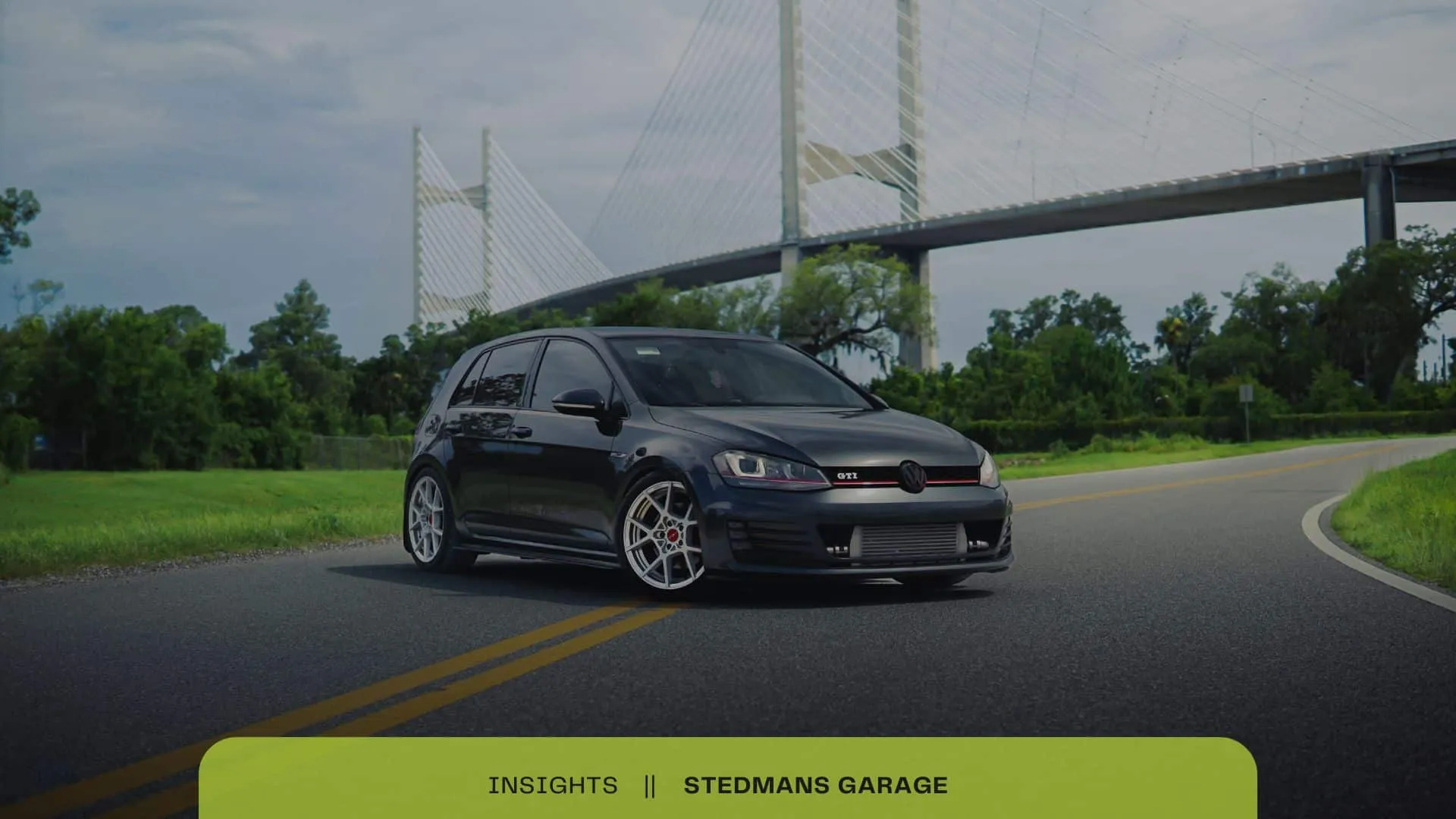
The Golf’s reputation for solid engineering is well earned, but like any car covering big mileage it has a handful of known weak points. Knowing what to look and listen for helps you catch a fault early, before it turns into a larger repair. These are the issues we see most often on the Golf.
DSG gearbox hesitation and jerky low-speed shifts
The DSG automatic is quick and efficient, but a tired mechatronic unit or an overdue DSG service can cause hesitation, a shudder or a jerk when pulling away or in slow traffic. On the MK7 1.5 TSI in particular, owners often notice a slight kangaroo or hesitation on light throttle. Our ultimate guide to VW DSG problems explains the warning signs to watch for, and a DSG oil and filter service at the correct interval is the single best way to keep the gearbox shifting smoothly.
Carbon build-up on TSI engines
Direct-injection TSI petrol engines can suffer carbon build-up on the intake valves over time, because the fuel no longer washes over the back of the valves. It shows up as a rough idle, hesitation, misfires or a slight loss of power. A professional intake decarbonisation clean removes the deposits and restores smoother running, throttle response and economy.
Timing chain tensioner wear on earlier TSI engines
Some earlier 1.4 TSI engines can suffer a stretched timing chain or a failed tensioner, often heard as a rattle from cold on start-up. Left unattended this is a serious fault, so any rattle when you first start the engine is worth having checked promptly.
Water pump and thermostat housing coolant leaks
The plastic water pump and thermostat housing used on many TSI engines can crack or weep coolant as they age. Watch for a coolant smell, drips under the front of the car or the temperature gauge creeping up. Replacing the assembly prevents overheating and the engine damage that can follow.
Ignition coil and spark plug faults
Ignition coils and spark plugs are common wear items on petrol Golfs and a frequent cause of misfires, a flashing engine light or a rough-running engine. Once diagnosed they are a straightforward fix, and replacing a failing coil early avoids running the engine on a misfire.
DPF and EGR issues on diesel (TDI) models
On diesel Golfs, a blocked diesel particulate filter (DPF) or a sticking EGR valve can trigger warning lights and limp mode, particularly on cars used mainly for short, low-speed journeys. Regular longer runs help, and our VW DPF care guide covers the warning signs; a diagnostic check confirms whether cleaning or replacement is needed.
Electrical and infotainment glitches
Later Golfs rely heavily on electronics, and owners sometimes report infotainment freezes, sensor faults or intermittent electrical gremlins. A proper diagnostic read pinpoints the module at fault rather than replacing parts on guesswork.
Whatever your Golf is doing, the earlier it is looked at the cheaper it usually is to put right. As a Volkswagen specialist, Stedmans Garage looks after Golfs of every generation. If something doesn’t feel right, get in touch to book it in.
Conclusion
Over the past 50 years, the Volkswagen Golf has maintained its position as a leader in the compact car segment, continually adapting to meet the evolving needs of modern drivers. With its blend of innovative technology, performance, and safety features, the Golf remains a preferred choice for drivers around the world.
The Volkswagen Golf represents a confluence of tradition and forward-thinking, a vehicle that has continuously set standards in the compact car segment. As it moves into the future, the Golf remains committed to delivering quality, performance, and cutting-edge technology.
What are the most common VW Golf problems?
The faults we see most often are DSG gearbox hesitation, carbon build-up on TSI petrol engines, timing chain tensioner wear on earlier 1.4 TSI units, water pump and thermostat housing coolant leaks, ignition coil misfires, and DPF or EGR issues on diesel models.
Why does my VW Golf hesitate or jerk when pulling away?
On DSG models this is often an overdue gearbox service or a worn mechatronic unit; on the MK7 1.5 TSI a hesitation on light throttle is a known trait. A diagnostic check and a DSG service usually resolve it.
Does Stedmans Garage look after VW Golfs?
Yes. Stedmans is a Volkswagen specialist and looks after Golf servicing and repairs across petrol, diesel and DSG models.
How often should a VW Golf DSG gearbox be serviced?
A DSG oil and filter service at the manufacturer’s recommended interval keeps the gearbox shifting smoothly and is the best way to avoid hesitation and shuddering. Stedmans can confirm the correct interval for your model.
Can carbon build-up on a TSI engine be cleaned?
Yes. A professional intake decarbonisation clean removes carbon deposits from the intake valves and restores smoother running, throttle response and economy.