
Why the Timing Belt Matters on a Volkswagen
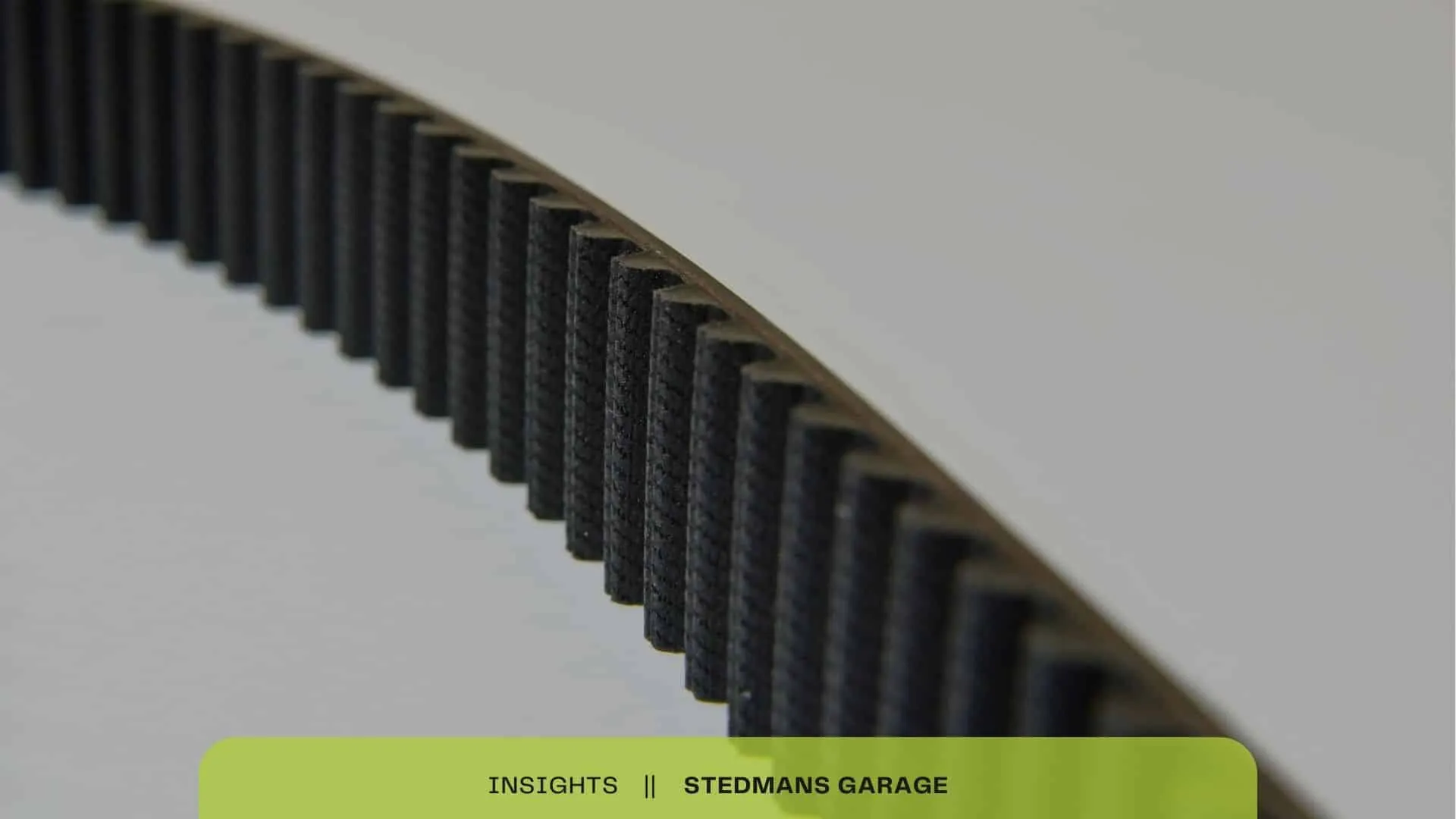
The timing belt, also known as a cambelt, is one of the most important parts of a Volkswagen engine. It is a toothed rubber belt that keeps the camshafts turning in step with the crankshaft, so the valves open and close at exactly the right moment relative to the pistons. When it fails the engine stops, and on many VW engines the damage does not stop there. This guide covers the common VW timing belt problems, the warning signs to watch for, and how to tell when the belt is due.
What Happens When the Belt Fails
Interference engines are common in Volkswagens: the valves and pistons use the same space at different moments. If the belt snaps or jumps a tooth, the camshafts stop while the pistons keep moving, and the valves can be struck. That can bend valves and damage the pistons and cylinder head, and on an older car the repair can cost more than the car is worth.
Does Your VW Have a Belt or a Chain?
Not every Volkswagen has a timing belt. The TDI diesels use a belt, and so do the current EA211 petrol engines, including the 1.0, 1.4 and 1.5 TSI fitted to Polos, Golfs and many other models since around 2012. The 1.8 and 2.0 TSI engines (the EA888 family) and the earlier 1.2 and 1.4 TSI engines (EA111) use a chain. A garage can confirm which engine your car has from the registration, and our guides to VW timing belts and chains and common VW timing chain issues cover the difference.
Warning Signs of a VW Timing Belt Problem
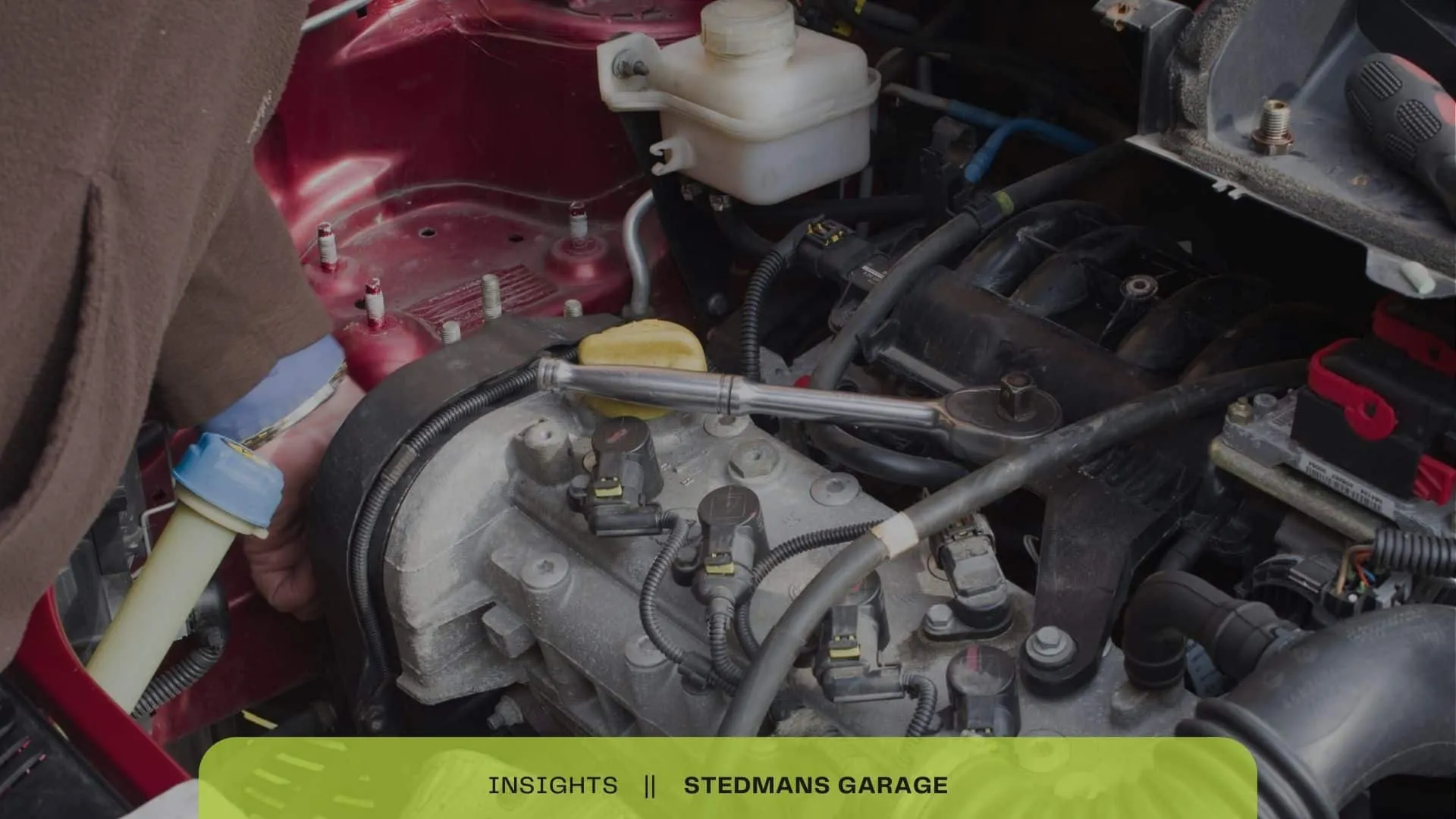
A timing belt often gives little warning before it fails, which is why replacing it on time matters more than waiting for symptoms. When there are signs, these are the ones to act on.
Rough Running, Misfires and a Warning Light
A belt that has jumped a tooth, or a tensioner that has let it go slack, leaves the valve timing out. The engine can run roughly, misfire, lose power or stall, and the engine management light usually comes on with camshaft and crankshaft correlation codes stored. Checking the engine fault codes is the quickest way to see whether the timing is involved.
Noises from Behind the Timing Cover
A whine or growl that rises with engine speed often comes from a worn tensioner, idler pulley or water pump bearing running on the belt. A flapping or slapping sound can mean the belt has gone slack. A squeal from the front of the engine is more often the auxiliary drive belt, and a ticking noise is more often the valve gear or low oil than the timing belt, so noises need diagnosing rather than guessing.
Difficulty Starting
A belt that has jumped teeth can make the engine hard to start. If the belt has broken, the starter will usually spin the engine over, often faster than normal, but it will not fire. Stop cranking it and have the car recovered, because on an interference engine every turn can add to the damage.
Visible Wear
The belt sits behind a cover, so checking it is a garage job. Cracks, frayed edges, worn or missing teeth, a shiny, glazed surface from heat and age, and oil contamination all mean replacement. A belt that looks fine can still be past its age limit.
Common VW Timing Belt Problems
These are the usual causes of a timing belt failing early.
Old Age and an Unknown History
Rubber hardens and cracks with age even when the car is not being driven, so a low-mileage VW can need a belt on age alone. The biggest risk is a used car with no record of when the belt was last changed: treat it as due. A car that stands unused for long periods still needs its belt changed on time, and is better driven regularly than left standing.
Wrong Tension and Worn Tensioners
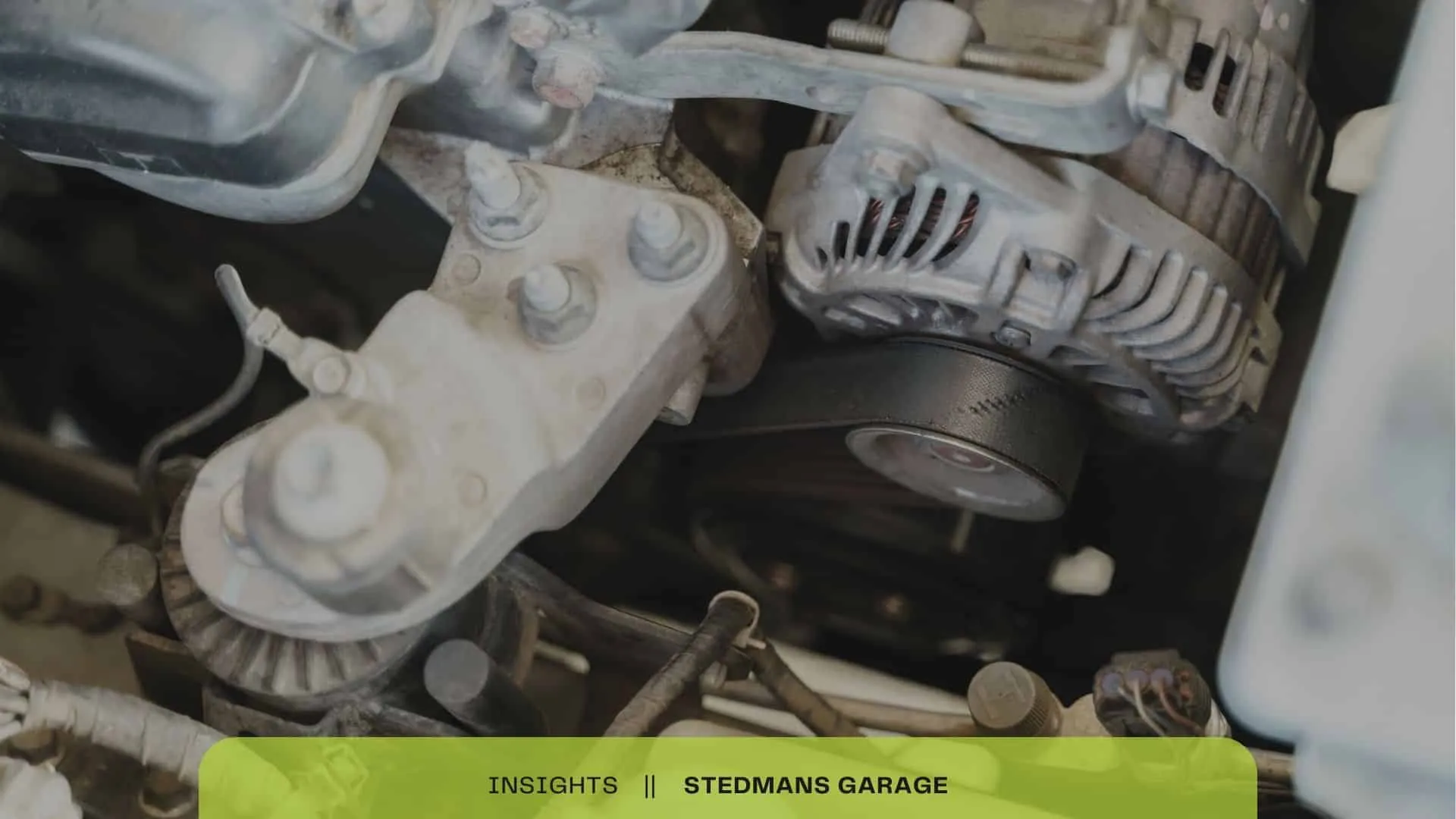
Too tight and the belt and its bearings wear quickly. Too slack and it can flap, wear its teeth and jump timing. On modern VW engines the tension is set by an automatic tensioner, so the usual cause is a worn tensioner or idler pulley rather than an adjustment that has drifted. That is why they are replaced with the belt.
Oil and Coolant Leaks
Oil softens and swells the rubber, and coolant damages it too. A leaking camshaft or crankshaft seal, a weeping valve cover gasket or a leaking water pump can shorten the life of a new belt, so any leak near the timing belt should be fixed when the belt is changed.
A Failing Water Pump
On many VW engines the water pump is driven by the timing belt or sits behind it. A pump that leaks, or whose bearing fails, can contaminate or damage the belt, which is why it is normally replaced at the same time.
A Belt Left in Too Long
The most common problem of all is a belt that has gone past its replacement limit. No amount of inspection makes an old belt safe.
When Is a VW Timing Belt Due?
Volkswagen sets the timing belt schedule for each engine, as a mileage, an age or both, whichever comes first. It differs between engines and has changed over the years, and on some newer petrol engines the schedule calls for the belt to be inspected at set points rather than changed at a fixed mileage. The right answer for your car is in its service schedule, or a garage can look it up from the registration. For the general warning signs on any make, see our guide to timing belt replacement signs.
Lots of short trips, stop-start driving, towing, oil leaks and long periods standing can all shorten a belt's life, so treat the schedule as a limit, not a target.
What a VW Timing Belt Replacement Involves
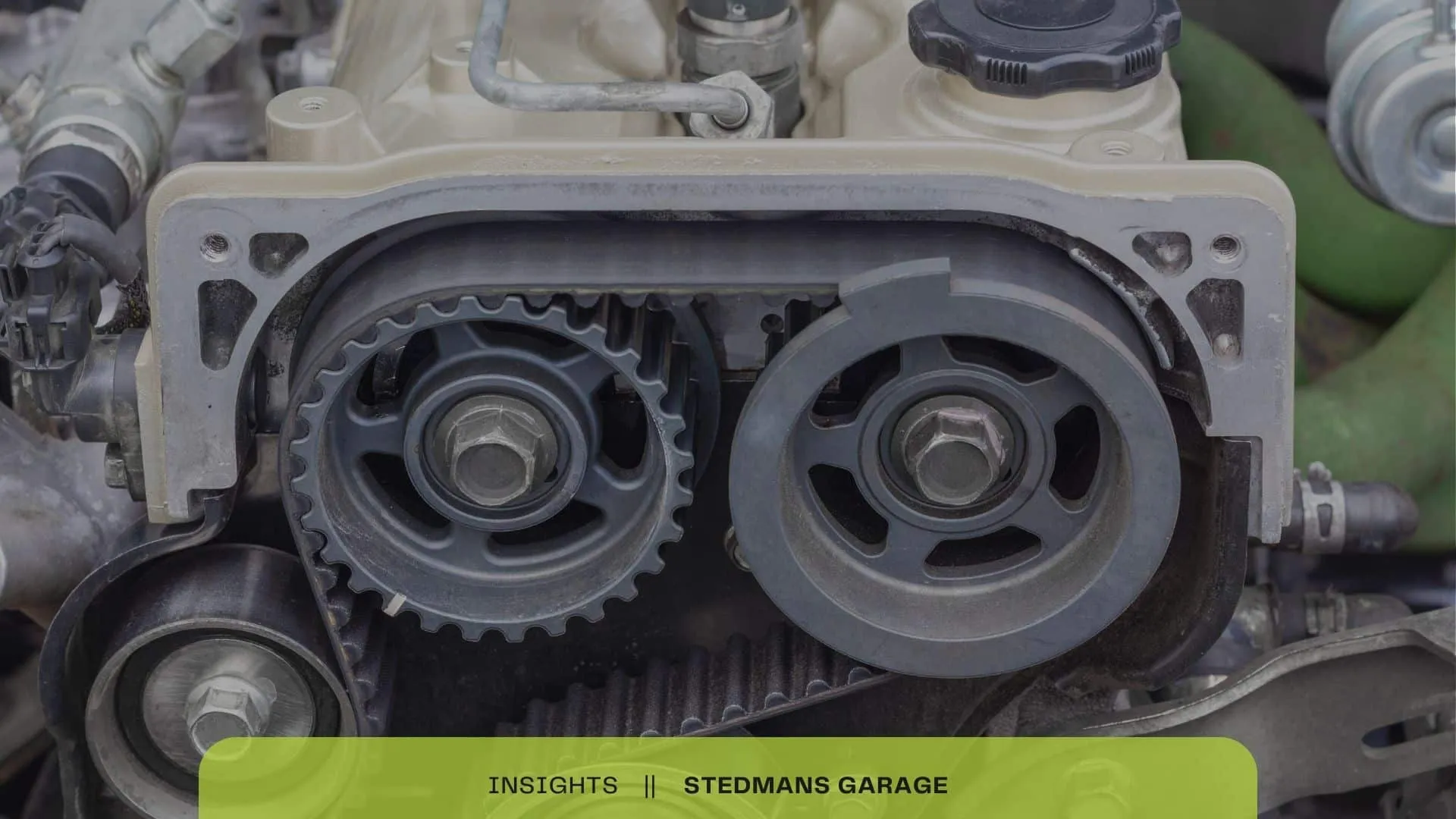
The engine is set to its timing marks and locked with the correct tools for that engine, the old belt is removed, and the new belt, tensioner and idlers are fitted. The engine is then turned over by hand to confirm the timing is still right before it is reassembled and started.
It is normally done as a kit:
- Timing belt.
- Tensioner and idler pulleys: they wear alongside the belt, and a seized pulley can destroy a new one.
- Water pump: where it is driven by the timing belt or sits behind it.
- Auxiliary drive belt: it has to come off anyway, so a worn one is replaced at the same time.
It is precise work, and one tooth out is enough to cause problems. Have it done by a Volkswagen specialist with the right locking tools for your engine, using parts made to the original specification. If something else is wrong with the car, our guide to Volkswagen diagnostics and repairs explains what to expect.
Stedmans Garage in Worthing
Stedmans Garage is a DVSA-approved, long-standing Worthing garage that services and repairs Volkswagens. We can confirm whether your VW has a belt or a chain, check when the belt is due, and explain what needs doing before any work starts. Book online or contact us.
Frequently Asked Questions
How often should a VW timing belt be changed?
It depends on the engine. Volkswagen sets a mileage, an age or both for each engine, whichever comes first, and on some newer petrol engines the belt is inspected at set points instead. Check your car's service schedule, or ask a garage to look it up from the registration. If there is no record of the last change, treat it as due.
Does my VW have a timing belt or a timing chain?
The TDI diesels and the current 1.0, 1.4 and 1.5 TSI petrol engines use a belt. The 1.8 and 2.0 TSI engines and the earlier 1.2 and 1.4 TSI engines use a chain. A garage can confirm your engine from the registration.
Can a VW timing belt break without warning?
Yes. Belts often fail with no warning at all, which is why they are replaced by mileage and age rather than when symptoms appear.
What happens if the timing belt breaks while I am driving?
The engine stops straight away and will not restart. On an interference engine the valves can hit the pistons, which can mean a cylinder head rebuild or a replacement engine.
Should the water pump be changed with the timing belt?
On engines where the timing belt drives the water pump or the pump sits behind it, yes. It avoids taking the front of the engine apart a second time.
What are the signs of a worn VW timing belt?
Rough running or misfires with camshaft and crankshaft fault codes, a whine or flapping noise from behind the timing cover, difficulty starting, and visible cracks, fraying or oil on the belt. Often there are no signs at all before it fails.