
P0121 VAG Code: Complete Guide to Throttle Position Sensor Failures & Solutions
Introduction to P0121 VAG Code
What the P0121 Code Means
The P0121 code refers to a “Throttle Position Sensor/Switch A Circuit Range/Performance Problem”. This diagnostic trouble code (DTC) is logged when the throttle position sensor (TPS) circuit “A” outputs a voltage outside the expected range. For vehicles in the Volkswagen Audi Group (VAG) (including Audi, Volkswagen, Skoda, and SEAT) P0121 is linked to the throttle position feedback from the electronic throttle body. On older models this came from a separate throttle position sensor (historically labelled G69); modern drive-by-wire cars build the angle senders into the throttle body module (J338) and measure accelerator pedal position separately (senders G79 and G185). This feedback helps the engine control unit (ECU) track the angle of the throttle, which is critical for managing fuel delivery, air intake, and overall engine response.
How P0121 Specifically Relates to VAG Vehicles
VAG vehicles are known for their advanced electronic throttle control systems, which require accurate feedback from the TPS. When the ECU detects an implausible or inconsistent signal from the throttle position senders, it triggers the P0121 code. A faulty or misbehaving TPS can confuse the control system, leading to poor throttle response, erratic engine behaviour, or even safety concerns during operation.
Why Immediate Attention Is Critical
Ignoring a P0121 code can lead to several performance and safety risks. These include unpredictable acceleration, sudden loss of power, engine stalling, and rough idling. Since the TPS provides essential feedback for safe and smooth engine control, prompt investigation and repair are vital. Left unaddressed, this issue might not only reduce drivability but also worsen with time, increasing the risk of a breakdown or accident.
Understanding the Throttle Position Sensor (TPS)
The Role of the Throttle Position Sensor
The throttle position sensor (TPS) measures how open the throttle valve is, controlling the air entering the engine. Its data allows the engine control unit (ECU) to calculate the correct fuel injection and ignition timing, helping deliver smooth acceleration and efficient engine performance. If the TPS signal is missing or inaccurate, the ECU can’t balance air and fuel, leading to engine issues and poor fuel economy. In VAG (Volkswagen Audi Group) vehicles, a faulty TPS often triggers the P0121 code, showing that the sensor may have sent a value outside its expected range or is behaving erratically.
TPS in VAG Vehicles
On older Volkswagen and Audi models the TPS was a separate potentiometer (labelled G69) measuring the angle of the throttle spindle. On modern drive-by-wire cars the equivalent angle senders are built into the electronic throttle body (J338), with pedal position measured by separate senders in the accelerator module. Either way, as the throttle opens or closes the sensor voltage changes, and the ECU uses this feedback to adjust engine operations in real-time, ensuring optimal performance and emissions control.
Mechanical vs Electronic Throttle Systems
Older vehicles use mechanical throttle linkage systems. Here, pressing the accelerator pedal pulls a physical cable, which directly opens the throttle valve. In contrast, modern VAG vehicles use electronic throttle control (ETC), also called “drive by wire.” In ETC, the pedal’s position is measured by sensors. The ECU interprets this input and actuates the throttle body electronically using a motor. ETC offers more precise control, but relies completely on sensor accuracy, meaning a TPS fault can have a greater impact.
Common Causes of P0121 Code in VAG Vehicles
Faulty or Damaged Throttle Position Sensor
The most frequent reason for the P0121 fault in VAG vehicles is a malfunctioning throttle position sensor. Over time, the sensor’s internal components can wear out or develop faults. Daily exposure to engine heat, vibration, and moisture may cause the TPS to send inaccurate signals to the engine control unit (ECU). When the ECU receives inconsistent or implausible readings that do not match the expected range, it sets the P0121 code. This happens most often in VAG vehicles using electronic throttle control, where the throttle body’s integrated position senders play a critical role.
Wiring and Connection Issues
Electrical faults also contribute significantly to P0121 errors. The wires connecting the TPS to the ECU can fray, develop corrosion, or break, especially at connection points subjected to frequent movement or heat. Short circuits to ground or poor continuity due to loose connectors can lead to erratic signals. In some cases, even small resistance changes in the wiring can disrupt communication, causing the system to respond with an error code. Routine checks of the TPS wiring are necessary, especially in older models or vehicles that have undergone repair work around the throttle body.
Carbon Deposits and Throttle Body Contamination
Build-up of carbon or other deposits inside the throttle body can also affect sensor performance. These contaminants may interfere with the throttle valve’s movement, causing the TPS to report incorrect values. Dirt or oil can obstruct the TPS mechanism, leading to inaccurate readings that trigger the P0121 code. Keeping the throttle body clean reduces the risk of this issue and helps the sensor function effectively.
Symptoms Associated with P0121 Code
Erratic Throttle Behaviour
When the P0121 code appears in a VAG vehicle, one of the first and most noticeable symptoms is erratic throttle response. Drivers might experience unpredictable surges in acceleration or sudden loss of power while pressing the accelerator. This unpredictability is caused by the throttle position sensor sending incorrect or fluctuating signals to the engine control unit (ECU), disrupting the air-fuel mixture and throttle control. Such behaviour can make it challenging to maintain consistent speed and may increase risk in regular traffic conditions.
Engine Stalling and Rough Idling
A faulty TPS can lead to engine stalling, especially at idle or when coming to a stop. The engine may run roughly or hesitate during acceleration, leading to rough idling or making it hard to start the vehicle. Drivers might notice the engine stalling intermittently, sometimes without any clear cause. The check engine light is frequently illuminated when these symptoms are present, indicating a need for diagnosis.
Reduced Fuel Efficiency and Performance
Incorrect readings from the TPS negatively affect fuel management, causing the ECU to miscalculate the air-fuel mixture. This results in reduced engine performance, poor acceleration, and increased fuel consumption. Some VAG vehicles may also enter a “limp mode” or reduced power mode to prevent engine damage, severely limiting throttle response and overall drivability.
Diagnosing the P0121 Code
Step-by-Step Diagnostic Process
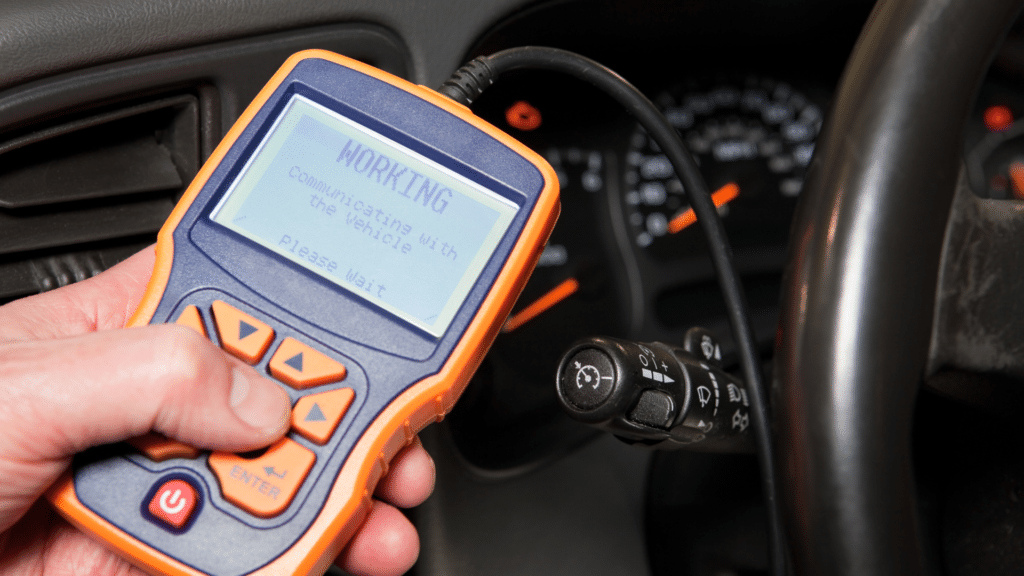
Proper diagnosis of the P0121 code begins with an On-Board Diagnostics (OBD-II) scan. Connect an OBD-II scanner to retrieve any fault codes and freeze frame data. Freeze frame data helps you see vehicle conditions when the code was triggered, which is useful for understanding the circumstances that caused the problem.
After confirming the P0121 code, inspect the live data stream. Focus on throttle position sensor (TPS) voltage readings at both idle and wide open throttle. TPS values at idle should be around 0.5 volts, rising smoothly to approximately 4.5 volts at full throttle. If the readings are outside this range or jump erratically, the sensor may be faulty.
Tools Needed for Diagnostics
Essential tools for diagnosing this code include:
Using a multimeter, check the TPS reference voltage on the connector. There should be a consistent 5-volt reference supplied by the ECU. If there is a lack of signal, or if the signal line reads 12 volts, this indicates a wiring issue such as a short or open circuit.
- OBD-II scanner
- Multimeter
- Oscilloscope (for detecting sporadic faults in the signal)
Differentiating Sensor, Wiring, and Connector Issues
To separate sensor failure from wiring or connector problems, perform a careful inspection of the harness and connector for signs of fraying, corrosion, or moisture ingress. A ‘wiggle’ test (moving the harness while monitoring the sensor readings) can help reveal intermittent faults.
If both the signal and ground are correct but readings remain abnormal, the sensor is likely at fault. Otherwise, focus repairs on the wiring or harness.
DIY Fixes for P0121 in VAG Vehicles
Cleaning the Throttle Body
One common and straightforward fix for resolving issues related to the P0121 code is cleaning the throttle body. Over time, carbon deposits build up and can interfere with the throttle position sensor readings. To clean the throttle body, begin by disconnecting the battery to ensure safety. Remove the air intake hose to access the throttle body. Use a throttle body cleaner and a soft cloth to gently remove all visible deposits. Avoid using sharp tools that might scratch the surface. Allow the throttle body to dry before reassembling in reverse order.
Checking and Repairing Wiring Connections
Wiring problems are another frequent cause of P0121 errors. Inspect the wiring harness leading to the throttle position sensor for signs of wear, such as frayed wires, corrosion, or damaged insulation. Check the connectors for proper fit and cleanliness. If any wires are damaged, trim and repair them using appropriate connectors or solder and heat-shrink tubing. Ensure all connections are secure and protected from moisture. Reconnect any loose connectors, making sure they click into place.
Resetting the ECU
After making repairs or cleaning, resetting the engine control unit (ECU) is crucial to clear the existing fault code. This can be done by disconnecting the vehicle’s battery for about fifteen minutes, then reconnecting it. Alternatively, an OBD-II scanner can be used to erase the fault code directly. Once reset, start the vehicle and allow it to idle, monitoring for recurring error messages or symptoms. If the code does not return, the repair was likely successful.
Replacing the Throttle Position Sensor
Preparation and Proper Part Selection
To start with replacing the throttle position sensor (TPS) in common VAG vehicles, ensure the engine is cool and the battery is disconnected to prevent electrical issues. Identify your vehicle’s model and year to select the correct replacement TPS. Refer to manufacturer part numbers or vehicle documentation to avoid compatibility errors. Using the wrong part can cause further sensor errors and engine problems.
Step-by-Step Replacement Process
- Locate the TPS, which is usually mounted on the throttle body.
- Remove necessary components or covers for clear access.
- Disconnect the sensor’s wiring connector carefully, avoiding damage to the pins.
- Unscrew or unclip the old TPS from the throttle body.
- Position the new sensor and fasten it securely, ensuring correct alignment.
- Reconnect the wiring harness to the sensor, checking for a snug fit.
- Reinstall any parts or covers removed earlier.
- Reconnect the battery.
Calibration and Testing
After replacement, some VAG vehicles require TPS calibration. This can involve a basic setting using a diagnostic tool or, in some cases, turning the ignition on and off in a set sequence. Consult your vehicle’s manual for exact procedures.
Next, start the engine and observe idle stability. Test drive gently to confirm responsive throttle behaviour and absence of warning lights.
Professional Repair Options
When to Consider Professional Help
While many P0121 throttle position sensor (TPS) issues in VAG vehicles can be addressed by capable DIYers, there are situations where professional intervention is the safest option. If the diagnosis reveals complex wiring faults, multiple fault codes, or the TPS replacement process appears challenging, seeking expert help is advisable. Modern VAG engines often involve advanced electronic systems requiring manufacturer-specific tools for accurate calibration and testing, which may not be accessible to the home mechanic.
Risks of DIY Repairs
Attempting repairs without sufficient technical understanding can lead to further complications. Improper installation of a new TPS or failure to calibrate the sensor correctly can result in ongoing engine problems, such as persistent misfires, poor idle, or loss of power. Inadvertent damage to wiring or connectors may also introduce new issues, potentially increasing overall repair costs.
Benefits of Professional Workshops
Professional repair shops, including both dealerships and independent garages, have diagnostic equipment tailored to VAG vehicles. Technicians are trained to interpret manufacturer-specific error codes and can perform advanced diagnostics beyond basic OBD-II scanning. While dealership repairs may be more expensive due to higher overhead costs, independent workshops often provide equivalent service at a lower price point without compromising quality.
Preventing Future TPS Issues
Maintenance Practices
Consistent maintenance is key to prolonging the life of the throttle position sensor (TPS). It is recommended to inspect and clean the throttle body and TPS every 20,000 to 30,000 miles, or as specified in your vehicle’s handbook. Cleaning helps prevent the build-up of carbon deposits and debris, which can distort sensor readings and affect throttle response. Use a throttle body cleaner and a soft rag, ensuring you do not oversaturate the sensor, as excess liquid can cause damage. Always disconnect the electrical connector before cleaning, and make sure to handle the component carefully to avoid harming delicate parts. Regular cleaning can avoid unnecessary sensor replacements and improve overall engine efficiency.
Early Warning Signs
To prevent sudden failures, it is essential to be alert to warning signs that may indicate issues with the TPS. Early symptoms of a failing sensor include:
- Unusual surges in idle speed
- Hesitation when accelerating
- Sudden engine stalling
- Unexplained jerking motionsAddressing these symptoms early can prevent more severe issues, such as engine stalling or entering limp-home mode.
Regular Diagnostic Checks
Performing regular diagnostic checks is advised to catch TPS issues before they lead to a breakdown. An OBD-II scanner can help monitor sensor outputs for irregular voltage or signal ranges, which often occur before the sensor fails completely. Continuously monitoring and acting on minor faults helps ensure reliability and safety, supporting smoother engine function and consistent throttle response.
Is It Safe to Drive with P0121 Code?
Safety Implications
Driving a VAG vehicle displaying the P0121 code is strongly discouraged. This fault means the throttle position sensor (TPS) is not working correctly, leading to unreliable signals about how much you are pressing the accelerator. When these signals are incorrect, the engine may misjudge both acceleration and fuel delivery. This can cause unexpected surges, delayed throttle response, or abrupt loss of power. Such behaviours pose a safety risk, especially during overtaking, merging, or navigating junctions. You may also experience engine stalling or the car entering limp mode, further reducing your ability to control the vehicle.
Potential Risks
The key risks of driving with a faulty TPS and the P0121 code include:
Though your vehicle might remain drivable for short distances, doing so increases the likelihood of further damage or dangerous situations.
- Unpredictable acceleration or deceleration.
- Sudden engine stalling, especially at low speeds or while idling.
- Reduced ability to accelerate, affecting your capacity to react to traffic.
- Potential entry into limp-home mode, limiting speed and reducing engine power.
- Erratic behaviour may result in accidents due to delayed throttle input.
Temporary Measures
If you must drive before repairs are completed, do so only for essential journeys and keep to lower speeds. Avoid busy roads and sudden acceleration. Be aware of greater stopping distances, as the engine could cut out without warning. If the car enters limp mode, pull over safely and switch off the engine before attempting to restart. Arrange professional repairs as soon as possible.
Conclusion and Key Takeaways
Summary of Essential Points
The P0121 code on Volkswagen Audi Group (VAG) vehicles is a clear sign of a throttle position sensor issue. This sensor’s job is to signal the exact angle of the throttle valve, which the engine uses to manage air-fuel mix and performance. When this component malfunctions, the engine might experience unpredictable power delivery, stalling, or idle issues. Common reasons behind this code are a worn or damaged TPS, wiring faults, or carbon build-up within the throttle body. Each of these can disrupt accurate sensor readings.
Importance of Timely Repairs
Ignoring the P0121 code is risky. Problems like sudden acceleration, poor throttle response, or loss of power compromise both safety and reliability. Continued driving with this fault may force the vehicle into limp mode or lead to engine stalling, endangering occupants and increasing the risk of further, costlier repairs. Addressing the cause early (whether through cleaning the throttle body, checking electrical connections, or replacing the sensor) helps prevent long term damage and supports optimal vehicle performance.
Recommendations for Vehicle Owners
Owners should not delay if the P0121 warning appears. Prompt diagnostic checks are vital, even if no symptoms are obvious yet. Use only genuine or model-specific replacement parts. After repairs, ensure the system is recalibrated and retested for stable operation. Regular maintenance, including timely throttle body cleaning and inspection of electrical harnesses, will minimise future risk. Monitoring for early signs, like rough idling or erratic throttle, can stop small issues becoming serious.
Frequently Asked Questions about P0121
P0121 is a generic OBD-II fault code that stands for ‘Throttle Position Sensor/Switch A Circuit Range/Performance Problem’. On Volkswagen, Audi, SEAT and Skoda vehicles, it means the ECU has seen a TPS signal that is within the valid voltage range but does not correlate with engine load, pedal position or RPM. The signal is plausible on its own but inconsistent with what the rest of the engine is doing, so the ECU flags it as a performance fault rather than a hard electrical fault.
Related fault codes
Other codes affecting the same system. A stored code often arrives alongside its neighbours.
Seeing P0121 on your VW or Audi?
A stored code tells you where to look, not what has failed. Our technicians read the live data, confirm the real cause and quote before any work begins - so you are not paying for guesswork.
Get the code read properly
Main-dealer-level diagnostics in Worthing, from the longest running garage in town. Call the workshop or book online in under a minute.