
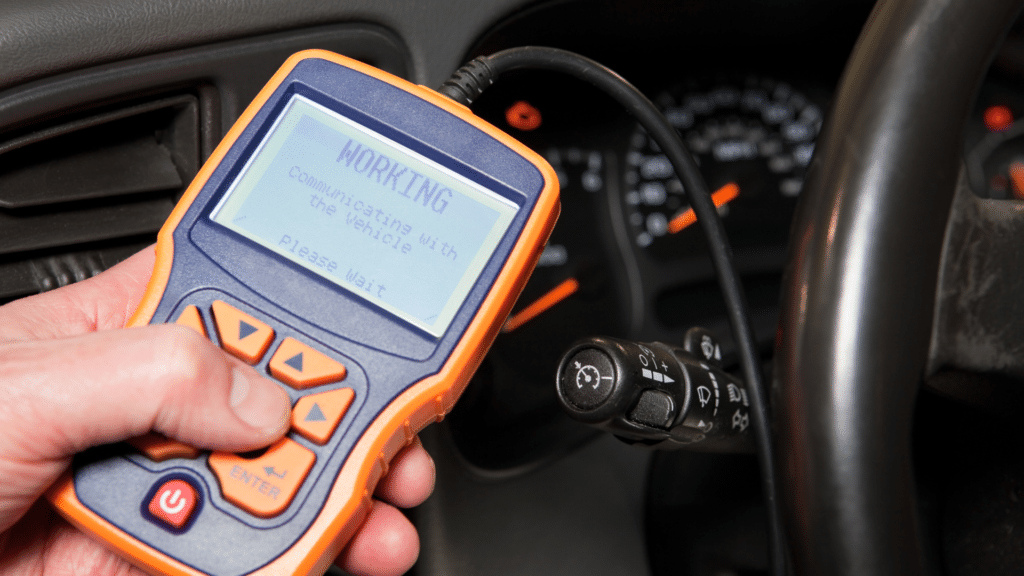
Understanding the P0122 VAG Fault Code: Throttle Position Sensor ‘A’ Circuit Low Input
In the realm of automotive diagnostics, understanding fault codes is crucial for effective maintenance and repairs. One particularly important code is the P0122 fault code, which highlights issues with the Throttle Position Sensor (TPS). The TPS is vital for your vehicle’s engine performance, as it supplies the Engine Control Module (ECM) with essential data to manage air and fuel delivery. Recognising the implications of a P0122 VAG fault code can prevent performance degradation, ensuring optimal engine health and longevity.
Overview of the P0122 Fault Code
The P0122 fault code signifies a low voltage input from the Throttle Position Sensor ‘A’ circuit. This occurrence leads the ECM to recognise that the circuitry linked to the TPS may not be functioning properly, which is crucial for regulating the throttle opening based on driver demand. Essentially, the TPS monitors the accelerator pedal’s position, allowing the ECM to adjust fuel injection and ignition timing.
When the TPS fails to deliver the expected voltage output, it can trigger performance issues like poor acceleration, decreased fuel efficiency, and erratic engine behaviour. Without accurate TPS data, the ECM struggles to manage air-fuel ratios effectively, potentially resulting in suboptimal combustion and, in severe cases, engine stalling or failure to start.
The Role of the Throttle Position Sensor
The Throttle Position Sensor is typically mounted on the throttle body, monitoring the throttle plate’s position. This component consists of a variable resistor that generates an electrical signal proportional to throttle position. As you press the gas pedal, the throttle opens, and the TPS sends a matching voltage signal to the ECM.
There are generally two types of throttle position sensors used in vehicles:
Potentiometer-based Sensors
These are the most common, utilising a variable resistor that changes resistance according to throttle position.
Hall Effect Sensors
These sensors use magnetic fields to ascertain position and are often preferred in more advanced vehicles due to their durability and precision.
Regardless of the type, both sensors serve the primary function of informing the ECM about throttle position, which is essential for optimal engine operation.
Symptoms Indicating a P0122 Fault Code
When the P0122 fault code is triggered, you may experience various symptoms that can significantly impact vehicle performance. Recognising these early signs can help prevent more significant issues.
Poor Throttle Response
One of the most notable indicators of a P0122 fault code is a sluggish or delayed throttle response. If pressing the accelerator does not translate to immediate acceleration, this could indicate TPS issues.
Reduced Fuel Efficiency
A low voltage signal from the TPS may lead to improper air-fuel mixture ratios, resulting in inefficiencies in fuel consumption. You might notice that you are refuelling more frequently without an apparent reason.
Engine Stalling
In severe cases, the car may stall intermittently, especially during acceleration or stopping. This often occurs because the ECM does not receive accurate information from the TPS, leading to incorrect engine adjustments.
Check Engine Light Illumination
The illumination of the check engine light is a general warning that something is wrong. If a diagnostic scan reveals a P0122 fault code, immediate investigation is necessary.
Erratic Engine Performance
You may notice rough idling, hesitations during acceleration, or an overall drop in engine performance.
Understanding these symptoms empowers you to take timely actions and prevent further complications.
Common Causes of the P0122 Fault Code
The P0122 fault code can stem from multiple sources, with the most prevalent being directly related to the TPS. Let’s explore these common causes:
Throttle Position Sensor Failure
Over time, the TPS may wear out or malfunction. Sensor degradation can lead to inaccurate voltage readings, triggering the low input error.
Wiring Issues
Faulty wiring or damaged connectors can disrupt signal transmission from the TPS to the ECM. Short circuits, corrosion, or frayed wires can severely impact electrical flow.
Faulty Throttle Body Assembly
Malfunctions within the throttle body can affect TPS performance, most often through a worn or corroded sensor track or connector inside the unit. Carbon build-up that stops the throttle plate opening and closing cleanly tends to set a range or performance code such as P0121 rather than the circuit-low P0122, so on this code the electrical side of the throttle body is the more likely culprit.
Electrical Interference
Electrical interference from other components may disrupt the TPS signal, resulting in a voltage drop.
ECM Malfunctions
Although rare, sometimes the issue may lie with a faulty ECM. This component is responsible for processing signals from various sensors, and any irregularities can lead to incorrect readings.
Identifying these causes helps mechanics focus their diagnostic efforts on resolving them effectively.
Diagnostic Steps for P0122 Fault Code
Diagnosing a P0122 fault code requires a clear approach that combines preliminary checks, technical expertise, and diagnostic equipment. Here’s a breakdown of the recommended diagnostic steps:
Initial Inspection
Start with a visual inspection of the throttle position sensor and connected wiring. Look for signs of damage, corrosion, or loose connections that could lead to operational failures.
Use of Diagnostic Tools
Use an OBD-II scanner to confirm the presence of the P0122 fault code and check for any additional codes. This provides a broader context for the vehicle’s performance issues.
Testing Voltage and Resistance
Set a multimeter to measure voltage and check the TPS voltage signal while varying throttle positions. Typical operational voltage should range between 0.5V and 4.5V, depending on throttle position. Any value outside this range could indicate a malfunction.
Monitor Signal Continuity
Test the wiring harness and connectors for continuity and resistance. A break in continuity can lead to incorrect signal transmission.
Throttle Body Inspection
Evaluate the throttle body for malfunctioning components or carbon buildup that might affect throttle position reading.
ECM Evaluation
If no physical issues are found with the TPS or wiring, conduct a comprehensive test of the ECM to ensure correct processing of signals.
Following these diagnostic steps closely will help you accurately identify the root cause of the P0122 fault code.
Repair Solutions for P0122 Fault Code
Addressing a P0122 fault code can range from minor adjustments to complete part replacements. Here are some recommended repair solutions:
Throttle Position Sensor Replacement
If the TPS is confirmed faulty, it must be replaced. This generally involves disconnecting the battery, removing the old sensor, and installing a new one while ensuring all wiring is securely reattached.
Repairing Wiring and Connections
Fix any damaged wiring by repairing or replacing sections that show wear, damage, or corrosion. Ensure all connections are clean and secure to facilitate efficient signal transmission.
Clean the Throttle Body
If carbon buildup or debris causes issues, cleaning the throttle body may solve the problem. Use an appropriate throttle body cleaner to ensure the component is clear of obstructions.
ECM Reprogramming
If the ECM is found to be malfunctioning, it may require reprogramming or replacement to restore proper functionality.
Electrical System Check
If electrical issues are suspected, conduct a thorough check of the vehicle’s entire electrical system to identify and resolve any intermittent faults.
Following these repair solutions systematically will assist you in effectively resolving the P0122 fault code.
Preventative Measures to Avoid P0122 Fault Code
Being proactive can help avoid encountering the P0122 fault code in the future. Here are essential preventive strategies:
Regular Maintenance Checks
Schedule routine inspections that specifically target the throttle position sensor and its wiring. Identifying issues early can save costly repairs down the line.
Routine Cleaning
Regularly clean the throttle body and surrounding components to prevent carbon buildup and debris accumulation that could interfere with sensor readings.
Monitor Performance
Keep a close eye on engine performance. If you notice changes in throttle response or fuel efficiency, take the vehicle in for an inspection before a fault code appears.
Consult a Professional Mechanic
Develop a relationship with a trusted mechanic who can provide expert advice on vehicle maintenance, addressing any potential issues before they escalate.
Use Quality Parts
If replacing components, ensure high-quality or OEM parts are used to maintain the integrity and performance of your vehicle’s systems.
By actively engaging in preventative habits, you can significantly reduce the chances of encountering the P0122 fault code.
Conclusion
The P0122 fault code underscores the critical role of the Throttle Position Sensor in a vehicle’s overall performance. Understanding its implications allows automotive enthusiasts, mechanics, and vehicle owners to tackle potentially severe issues before they escalate into major concerns.
From identifying symptoms that indicate a fault code to understanding the causes and necessary diagnostic steps, this guide equips you with valuable insights for maintaining optimal engine performance. With proactive maintenance and timely repairs, you can avoid the adverse effects of P0122 and ensure a smoother, more efficient driving experience.
Start monitoring your vehicle’s performance today and keep your engine running at its best!
Frequently Asked Questions about P0122
P0122 stands for ‘Throttle Position Sensor / Switch A Circuit Low Input’. It means the ECU has seen the voltage from the main throttle position sensor drop below the lowest acceptable threshold, usually under around 0.2 volts, for longer than the calibration allows. Unlike P0121, which is a range/performance code, P0122 is a hard electrical fault: either the sensor itself has failed short to ground, the signal wire has shorted to ground, or the 5V reference has been lost.
Related fault codes
Other codes affecting the same system. A stored code often arrives alongside its neighbours.
Seeing P0122 on your VW or Audi?
A stored code tells you where to look, not what has failed. Our technicians read the live data, confirm the real cause and quote before any work begins - so you are not paying for guesswork.
Get the code read properly
Main-dealer-level diagnostics in Worthing, from the longest running garage in town. Call the workshop or book online in under a minute.