
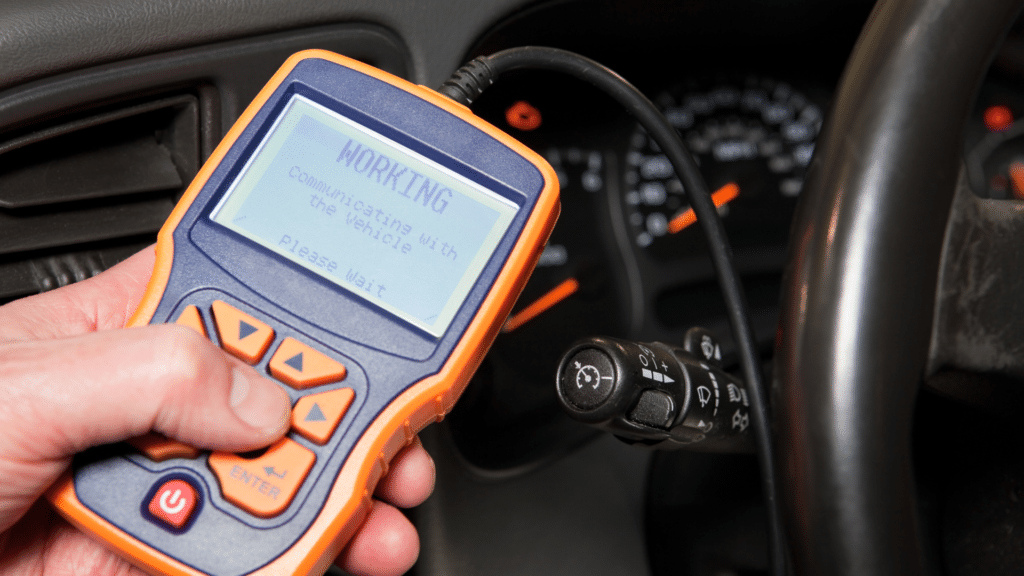
P0170 VAG Fault Code: Understanding Fuel Trim Malfunction in Bank 1
What is the P0170 VAG Fault Code?
Understanding Fuel Trim Malfunction in Bank 1
The P0170 code is a common fault found in many Volkswagen-Audi Group (VAG) vehicles. It points to a fuel trim malfunction on Bank 1 of your engine. But what does that really mean for you and your car?
Let’s start with “fuel trim.” Fuel trim is how an engine fine-tunes the mix of fuel and air during operation. Ideally, the ratio should allow for smooth running and good performance. However, engines are always adjusting because air temperature, pressure, or engine load keep changing. Fuel trim is the ongoing correction process for these shifts.
What Does the ECM Do?
Your car’s Engine Control Module (ECM) is at the heart of these adjustments. It monitors sensors throughout the engine, such as the oxygen sensors, mass airflow sensor, and coolant temperature sensor. If the exhaust gas reads as too lean (not enough fuel) or too rich (too much fuel), the ECM tweaks the fuel injectors to add or subtract fuel. This process keeps your engine running smoothly whether you’re accelerating hard, idling at a stoplight, or driving in winter.
What the P0170 Code Means
When the ECM can’t keep the air-fuel ratio within its expected range, even after making adjustments, it triggers the P0170 code. This code warns that the sensors or components involved in fuel management might not be responding properly or have drifted out of their operating range altogether.
Spotting this code early can help you avoid bigger issues later on. Next, let’s look at how this fault relates to the specific part of your engine it’s referring to, so you can start pinpointing what’s wrong.
Understanding Bank 1 in Your Engine
What Is Bank 1?
When discussing engine diagnostics, “Bank 1” is a key term you’ll often hear. In simple terms, Bank 1 is the side of your engine that contains cylinder number one. It’s a standard reference point that helps mechanics and car enthusiasts pinpoint issues and identify components, especially in engines with more than one bank of cylinders. This definition holds true whether the engine has a V or inline configuration.
Finding Bank 1 in V-type Engines
For engines with a V configuration (like V6 or V8), you’ve got two cylinder banks sitting opposite each other. Here, Bank 1 is always on the side where cylinder number one is located. How do you know which side that is? Your car’s repair manual will show you the firing order or cylinder layout, but generally, Bank 1 will be marked or referenced in that documentation. The key is not to guess based on the driver’s or passenger’s side, check your specific engine’s information.
Bank 1 in Inline Engines
Things are a bit simpler with inline engines (like inline-four or inline-six), as there’s only a single bank of cylinders. Here, all cylinders sit in a straight line, so Bank 1 refers to the entire row or, more precisely, begins where cylinder one is seated. In some designs, especially ones with multiple exhaust manifolds, you might still see references to Bank 2, but Bank 1 always covers the section with cylinder one.
Why It Matters
Understanding which side is Bank 1 is crucial for diagnostics and repairs. For example, O2 sensors, fuel injectors, and fault codes are often labelled as “Bank 1,” so identifying the correct bank ensures you’re working on the right part of the engine.
Common Causes of the P0170 Code
Vacuum Leaks and Unmetered Air
One of the top reasons for a P0170 code is a vacuum leak. When there’s a split hose or a loose connection, extra air sneaks into the engine. This air hasn’t passed through the mass airflow sensor (MAF) and isn’t measured by the system. With extra unmetered air, the air-fuel mixture shifts, often becoming too lean. The Engine Control Module (ECM) reacts by adding more fuel, but if the leak is too much, the balance can’t be restored, leading to a P0170 code. Vacuum leaks are most often found in intake hoses, vacuum lines, or around intake manifold gaskets. For turbocharged engines, it’s also vital to check intercooler and turbo hoses for cracks or disconnections.
Faulty or Dirty Mass Airflow Sensors (MAF)
The MAF sensor’s job is to measure incoming air and send this data to the ECM, so it can balance the air-fuel ratio properly. If the sensor is dirty, faulty, or has a wiring problem, it starts misreading the amount of air entering the engine. These bad readings can make the ECM add too much or too little fuel, triggering a P0170 code. A failing MAF sensor can cause obvious stumbling, rough idling, or poor fuel economy..
Contamination Issues
Contamination, especially from engine oil, also causes problems. Oil can work its way into connectors on the MAF or O2 sensors. When this happens, the sensors can’t send good signals. Likewise, an over-oiled air filter or an oil leak from engine seals can feed oil into areas it doesn’t belong. This disrupts signal quality and fuel delivery. Dirt or oil in key electrical connectors is a common but often overlooked reason for fuel trim errors.
Symptoms of a P0170 Fault Code
When your vehicle throws a P0170 code, the first sign is often the dreaded check engine light. This warning shouldn’t be ignored, as it points to issues with your engine’s fuel trim, specifically on Bank 1. Let’s break down what you might notice if this code pops up.
Drop in Fuel Efficiency and Power
A classic symptom is worse fuel economy. Your car may start guzzling petrol more quickly than usual. This happens because the engine might be adding too much or too little fuel as it tries to compensate for incorrect sensor readings. Over time, you might see extra stops at the fuel station and less money in your pocket. At the same time, engine power can start to dip. Acceleration could feel sluggish, or the engine might hesitate when you press the pedal, making your drive less enjoyable and sometimes even a bit worrying.
Poor Drivability and Rough Idling
Another red flag is a rough idle. When you’re stopped at a light or parked, the engine might vibrate more than normal or sound uneven. Misfires are also common, you could feel the engine momentarily cutting out, or hear popping noises. Occasionally, your car might stumble or even briefly stall during acceleration, especially after starting up. These hiccups make everyday driving uncomfortable and can catch you off guard if you’re not expecting them.
Increased Emissions and Engine Warning
With the fuel mixture out of balance, your vehicle may release more pollutants. If emissions testing is due, a failed check is more likely. Unnoticed, a persistent P0170 code can eventually harm the catalytic converter, too, an expensive part to replace.
Being aware of these symptoms means you’re already a step ahead in keeping your car running smoothly. Next, let’s shift focus to the most effective strategies for tackling the problem at its source.
Diagnosing P0170 Fuel Trim Malfunction
Using Scan Tools for Fuel Trim Diagnosis
To get to the root of a P0170 fault code, you’ll need a good scan tool. Start by connecting it to your vehicle’s OBD-II port and reading the Short Term Fuel Trim (STFT) and Long Term Fuel Trim (LTFT) values. STFT shows immediate corrections by the engine control module (ECM). LTFT reflects trends over time, capturing how the ECM adapts to ongoing air-fuel ratio concerns. Ideally, both should be close to 0% at idle and under steady RPM. Values drifting past ±10% point to real issues, beyond this, something is definitely amiss.
A positive number means the ECM is adding fuel (engine running lean), while a negative number means fuel is being reduced (engine running rich). For most modern engines, LTFT or STFT outside ±10% to ±15% means further inspection is needed.
Testing for Vacuum Leaks
A common cause of skewed trims is a vacuum leak. To test, monitor fuel trim figures at different RPM levels. If your trims are high at idle but drop significantly when you hold the engine at 2500 RPM, a vacuum leak is likely. Small leaks can cause the engine to suck in air after the MAF sensor, confusing the ECM’s calculations.
A simple spray test works wonders here: gently spray water or carb cleaner around suspect hoses and gaskets while the engine idles. A sudden trim change or engine note confirms a leak.
Inspecting Components and Sensors
Check all intake and vacuum lines for cracks or splits. Examine the mass airflow sensor (MAF) and oxygen sensors, as faults here can sway fuel trims drastically. Look for contamination, oil or dirt on connectors can lead to poor readings and misdiagnosis . Don’t forget the fuel injectors; clogs or leaks here can also skew trim values.
With a solid scan tool and some patience, you can pinpoint the exact cause behind your P0170 code. This makes repairs far more targeted and effective, restoring balance to your fuel system.
How to Fix P0170 Fault Code
Cleaning or Replacing the MAF Sensor
The Mass Air Flow (MAF) sensor is a common culprit for the P0170 code. If it’s dirty or contaminated, it can skew air-fuel readings and upset engine performance. Start with removal, disconnect the battery, then gently unplug the MAF sensor electrical connector. Remove the sensor from the air intake. Only use a dedicated MAF cleaner spray; don’t use brake or carb cleaner, which can easily damage this sensitive component. Spray the MAF cleaner generously onto the sensor, allow it to dry fully, then reinstall it. If cleaning doesn’t resolve the issue, replacing the sensor is straightforward and often effective, especially when contamination is severe, like oil residue from turbo seals.
Repairing Vacuum Leaks and Checking Fuel Pressure
Vacuum leaks are another major source of trouble. Inspect all visible vacuum hoses, the intake manifold, and connections for splits or wear. Use a spray test (water or safe carb cleaner): spray the suspected area while the engine is running. If idle speed changes or you hear sucking, there’s a leak.Fixing vacuum leaks may be as simple as replacing a hose or tightening a clamp. If the leak is near the fuel pressure regulator, remember that a leak here can actually affect fuel pressure, leading to erratic trim adjustments. It’s wise to check fuel pressure with a gauge and ensure it matches your manufacturer’s spec.
Replacing Faulty O2 Sensors or Injectors
If previous steps don’t resolve the code, look at your oxygen (O2) sensors and fuel injectors. O2 sensors help fine-tune the air-fuel ratio. If they become sluggish or contaminated, they send false signals and disrupt trim. Replace faulty sensors, these are usually accessible on the exhaust manifold or post-catalytic converter. After installation, reset fault codes with a scan tool or by disconnecting the battery.
Fuel injectors, if clogged or failing, may need cleaning or replacement. Always use high-quality parts to avoid early failure.
Can You Drive with a P0170 Code?
Safety Considerations
Spotting the P0170 code on your dashboard can be unsettling, but is it safe to keep driving? Generally, the P0170 code does not signal immediate danger. Many drivers notice only a check engine light and perhaps some mild drivability issues, like rough idling or a slight drop in performance. For most, daily commuting won’t instantly result in breakdown. However, it is crucial not to ignore this warning for too long. Beneath the surface, your engine’s fuel-air balance is off. While this may not cause your car to stop running straight away, it can set the stage for bigger issues down the road.
Risks to Key Components
Leaving the P0170 code unresolved can spell real trouble for your catalytic converter. If the engine runs too lean or rich, unburned fuel or excessive heat might overload the catalytic converter. This part of your exhaust system is expensive to replace, and letting the fault persist increases the risk of failure, performance loss, or even a failed emissions test. Extended issues can also increase emissions, so leaving the problem unchecked can be rough on the environment and your wallet.
When Immediate Repair Is Needed
There are times when immediate action is necessary. If you notice a strong smell of petrol, hear popping noises, or experience trouble starting, stop driving and have the car inspected straight away. These could indicate dangerous fuel leaks, risks of fire, or total engine failure. Do not chance it if any of these symptoms appear, they are safety hazards that require urgent attention.
For most minor symptoms, you might have a brief grace period to schedule repairs. Still, it’s best not to delay, quick action helps protect both your engine and your wallet over time.
Preventing Future P0170 Codes
Staying Ahead with Scheduled Maintenance
Avoiding a repeat of the P0170 code starts with regular maintenance. Following your vehicle’s service intervals is the best first step. Timely oil changes, fresh air and fuel filters, and spark plug replacement all help keep the fuel and airflow systems clean and efficient. If your air filter clogs or your oil becomes contaminated, the risk of air-fuel mixture problems goes up, raising the chance of a fuel trim-related fault code like P0170.
Keeping Vacuum and Intake Systems in Check
Vacuum leaks are a common culprit for P0170 codes. Make a habit of inspecting all vacuum hoses for cracks, splits, or loose connections. Pay close attention to plastic intake tubing and gaskets, which can deteriorate with age and heat. If you spot a split hose or brittle connector, fix it right away. These checks can be as simple as a visual inspection and a gentle tug on hoses during routine maintenance. Even minor leaks can let in extra air, tricking the engine’s sensors and leading to trim issues.
Fuel Quality and System Cleaning
The quality of fuel you use matters. Poor quality or contaminated fuel can leave deposits on injectors and sensors. Always fill up at reputable stations, and if you’re using your car less often, consider a fuel stabiliser. Every so often, run fuel system cleaner through the tank as recommended by your manufacturer. Don’t ignore check engine lights, rough running, or fuel smells, these could be early warning signs of a larger problem.
A little forward planning with maintenance and a keen eye for potential leaks or contamination can help you steer clear of persistent fuel trim issues. This proactive approach makes day-to-day driving smoother and reduces stress on your engine.
Frequently Asked Questions about P0170
P0170 is an OBD-II fault code meaning ‘Fuel Trim Malfunction, Bank 1’. It is a system-level code that says the engine control unit has had to add or subtract more fuel than its normal trim range allows to keep the air-fuel mixture correct on the bank with cylinder one. P0170 often appears alongside P0171 (system too lean) or P0172 (system too rich), which give a more specific direction.
Related fault codes
Other codes affecting the same system. A stored code often arrives alongside its neighbours.
Seeing P0170 on your VW or Audi?
A stored code tells you where to look, not what has failed. Our technicians read the live data, confirm the real cause and quote before any work begins - so you are not paying for guesswork.
Get the code read properly
Main-dealer-level diagnostics in Worthing, from the longest running garage in town. Call the workshop or book online in under a minute.