
P0171 Fault Code: System Too Lean (Bank 1)
A P0171 fault code means the engine is running too lean on bank 1: there is too much air or too little fuel for the ECU to correct. On VAG engines the usual culprits are unmetered air leaks, such as a split PCV diaphragm or intake hose, a dirty mass airflow (MAF) sensor, or a weak fuel supply.
What does a P0171 code mean?
Definition of P0171 as a ‘System Too Lean (Bank 1)’ Condition
The P0171 Fault Code is a diagnostic trouble code (DTC) that signifies a ‘System Too Lean (Bank 1)’ condition. This generally indicates that the engine’s fuel mixture on Bank 1 has too much air and not enough fuel. Bank 1 refers to the side of the engine that contains cylinder number one. This condition is typically detected by the engine’s oxygen sensors, which measure the amount of oxygen in the exhaust gases and relay this information to the engine control unit (ECU).
Explanation of Air-Fuel Ratio and What ‘Too Lean’ Means
The air-fuel ratio (AFR) is crucial to an engine’s performance, representing the ratio of air to fuel in the combustion mixture. Ideally, this ratio is around 14.7:1 for petrol engines, meaning 14.7 parts air to one part fuel. When the mixture contains too much air or not enough fuel, the condition is referred to as ‘too lean’. A lean air-fuel mixture can lead to higher combustion temperatures, which may cause knocking, misfires, and potential engine damage, thereby necessitating prompt attention.
How the engine control unit (ECU) Identifies and Triggers This Code
The ECU constantly monitors data from various sensors, ensuring that the air-fuel ratio remains within the predefined range. When the oxygen sensors detect that the exhaust gases contain too much oxygen (indicative of a lean mixture), the ECU attempts to correct this by adjusting the fuel trim. If it can no longer compensate for the lean condition by adding more fuel, it triggers the P0171 Fault Code. This process initiates a ‘fuel trim’, wherein the ECU adds or removes fuel to maintain the ideal air-fuel ratio, with a ‘positive fuel trim’ signifying adding more fuel.
By understanding these fundamental concepts, you’re better equipped to recognise and address the P0171 Fault Code. This sets the stage for diving deeper into the causes, diagnostic procedures, and repair solutions that can effectively resolve this issue.
What causes a P0171 code?
The P0171 Fault Code, indicating a ‘System Too Lean (Bank 1)’ condition, can have multiple triggers. Some of the most frequent causes can drastically affect your vehicle’s performance and efficiency. Understanding these common causes is the first step in diagnosing and resolving the issue effectively.
Vacuum Leaks
One of the most common culprits behind the P0171 Fault Code is a vacuum leak. A vacuum leak occurs when air enters the engine through points not intended for airflow. This unmetered air can lead to an improper air-fuel ratio, causing the system to run lean. Vacuum leaks can be found in several components:
- Hoses: Broken or disconnected vacuum hoses are a primary source of leaks. These hoses, made from rubber or plastic, can deteriorate over time due to engine heat.
- Connections: Poorly fitted or damaged connections in the intake manifold can also allow excess air to enter the system.
- Intake Manifold: Cracks or gaps in the intake manifold gaskets can result in significant vacuum leaks, further disrupting the air-fuel ratio.
Mass Airflow (MAF) Sensor Issues
The Mass Airflow (MAF) sensor plays a crucial role in measuring the amount of air entering the engine. A faulty or contaminated MAF sensor can provide inaccurate data to the engine control unit (ECU), causing it to miscalculate the amount of fuel required, thus triggering the P0171 Fault Code.
- Dirty Sensor: A dirty MAF sensor may hinder its ability to measure airflow correctly, leading to an incorrect air-fuel ratio.
- Faulty Sensor: A malfunctioning MAF sensor can cause the engine to run too lean or too rich, affecting overall performance.
Fuel System Problems
Issues within the fuel system can also precipitate the P0171 Fault Code. These problems can vary from inadequate fuel pressure to blockages in fuel delivery components.
Understanding these common causes can streamline the troubleshooting process when addressing the P0171 Fault Code. Identifying and rectifying the root cause of the lean condition can prevent further damage to the engine and ensure optimal vehicle performance. Regular maintenance and prompt attention to any symptoms can mitigate the recurrence of this issue.
- Weak Fuel Pump: A failing fuel pump can lead to insufficient fuel being delivered to the engine, resulting in a lean condition.
- Clogged Fuel Injectors: Fuel injectors clogged with debris cannot deliver the adequate amount of fuel, disrupting the air-fuel balance.
- Dirty Fuel Filters: A dirty fuel filter restricts the flow of fuel to the engine, contributing to a lean condition.
What are the symptoms of a P0171 code?
When the P0171 Fault Code is triggered, it is crucial to pay attention to the symptoms and warning signs that may accompany this fault. These signs typically serve as indicators of underlying issues and can help in diagnosing the problem early.
Check Engine Light Illumination
The most immediate and obvious symptom of the P0171 Fault Code is the illumination of the check engine light on your dashboard. This light acts as a primary alert that something is amiss within the engine’s operation. It is essential to address this warning promptly, as ignoring it can lead to more severe complications.
Performance Issues
A P0171 Fault Code often manifests through various performance problems that affect the smooth operation of the engine:
- Rough Idling: One common symptom is rough idling, where the engine seems to stumble or shake when the vehicle is stationary. This can be attributed to an imbalanced air-fuel mixture caused by vacuum leaks, faulty Mass Airflow (MAF) sensors, or fuel system issues.
- Reduced Power: Another performance issue is a noticeable reduction in engine power. Drivers may experience a lack of acceleration, sluggish response, or hesitation when pressing the throttle. This is often due to the engine not receiving the correct fuel-to-air ratio necessary for efficient combustion.
- Engine Misfires: In some cases, the engine may misfire, which can be felt as sudden jerks or interrupted power delivery while driving. Misfires result from incomplete combustion cycles due to a lean mixture.
Increased Fuel Consumption
An engine running in a lean condition can lead to an unintended consequence of increased fuel consumption. While this might seem counterintuitive, the ECU typically compensates for the lean condition by increasing the fuel input to attempt to correct the air-fuel ratio. This overcompensation results in higher fuel usage, which can negatively impact overall fuel efficiency.
Poor Engine Response
Alongside increased fuel consumption, drivers might notice poor engine response. The vehicle might struggle to maintain consistent speeds or to respond to throttle inputs effectively. This symptom is particularly noticeable when additional power is required, such as during overtaking or climbing an incline.
Understanding these signs and symptoms allows you to recognise the potential issues related to the P0171 Fault Code early on. Properly documenting these symptoms can assist mechanics in accurately diagnosing and addressing the root causes efficiently.
How is a P0171 code diagnosed?
Professional Diagnostic Scanning and Interpretation
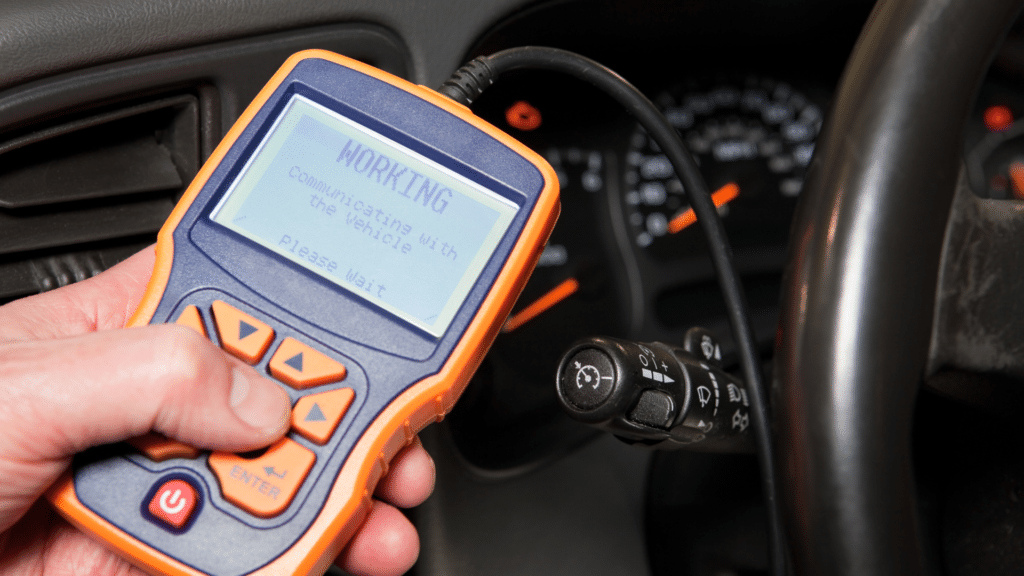
To accurately diagnose the P0171 Fault Code, a professional automotive diagnostic scan is conducted. Using an OBD-II scanner, mechanics retrieve diagnostic trouble codes (DTCs) from the vehicle’s on-board diagnostics (OBD) system. The retrieved codes provide insight into the specific issues affecting the vehicle’s powertrain, such as the P0171 Fault Code indicating a ‘System Too Lean (Bank 1)’ condition. By interpreting these codes, mechanics can narrow down the possible causes of the problem. This step is vital for developing a precise diagnostic plan, ensuring that any repairs address the root cause of the issue.
Smoke Testing for Vacuum Leak Detection
Smoke testing is an effective method for detecting vacuum leaks in the engine. This process involves introducing artificially produced smoke into the engine’s intake system or vacuum hoses. A smoke machine generates smoke using a special fluid similar to baby oil, which is then pumped into the system. Any leaks will be evident as the smoke escapes from the leak points. This visual confirmation allows mechanics to pinpoint the exact location of vacuum leaks and subsequently address them.
Additionally, a DIY version of smoke testing can be performed using simple tools such as a paint container, a compressor, a hose, and a lit rag. This setup can effectively highlight leaks when smoke is pumped through the intake system, identifying leak points where the smoke escapes.
Fuel Pressure Testing
Ensuring that the fuel system maintains the correct pressure is crucial for optimal engine performance and resolving the P0171 Fault Code. To conduct fuel pressure testing, follow these steps:
Any readings outside the manufacturer’s specified range indicate potential issues such as weak fuel pumps, clogged fuel filters, or malfunctioning fuel pressure regulators.
- Locate the fuel pressure test point on the engine and remove the cap.
- Attach the fuel pressure gauge to the test point.
- Have an assistant turn on the ignition (without starting the engine) to activate the fuel pump.
- Observe the pressure reading on the gauge and compare it to the specifications for your vehicle.
MAF Sensor Inspection Procedures
Inspecting the Mass Airflow (MAF) sensor is essential in diagnosing the P0171 Fault Code. Begin by checking the sensor’s electrical connections and ensuring they are secure. A faulty or dirty MAF sensor can lead to incorrect readings, causing a lean condition. The inspection process can include:
Conducting these diagnostic procedures accurately is essential for pinpointing the exact cause of the P0171 Fault Code, thereby facilitating effective and targeted repair strategies. The diagnosis not only ensures that the repairs are accurate but also paves the way for preventive measures to avoid future issues related to the air-fuel mixture and engine performance.
- Visual Inspection: Check the MAF sensor and its wiring for any visible damage.
- Voltage Testing: Use a digital voltmeter or a lab scope to check the output voltage, ensuring it changes smoothly and linearly with engine speed.
- Cleaning: If dirt is detected on the sensor, use a specialised MAF sensor cleaner. Carefully clean the sensor’s wire element to remove any debris that might hinder its function.
How do you fix a P0171 code?
The P0171 Fault Code, signifying ‘System Too Lean (Bank 1)’, necessitates accurate repair solutions. Properly addressing this fault involves a systematic approach to detect and correct vacuum leaks, Mass Air Flow (MAF) sensor issues, and fuel system malfunctions.
Vacuum Leak Detection and Repair
Vacuum leaks can cause excessive air in the engine, leading to a lean condition. The following step-by-step process outlines how to detect and remedy vacuum leaks:
- Visual Inspection: Visually inspect vacuum hoses, connections, and the intake manifold for signs of wear, damage, or disconnection.
- Listen for Leaks: With the engine running, listen for hissing sounds indicating escaping air.
- Smoke Test: Conduct a smoke test, which involves introducing smoke into the intake manifold and observing where it escapes. This method effectively identifies vacuum leaks.
- Seal and Repair: Repair leaks by reconnecting loose hoses, tightening connections, or replacing faulty parts like intake manifold gaskets.
MAF Sensor Cleaning and Replacement
A faulty or dirty MAF sensor can lead to inaccurate air measurements, resulting in a lean condition. Follow these steps to clean or replace the MAF sensor:
- Locate and Remove the MAF Sensor: The MAF sensor is typically located between the air filter and the throttle body. Disconnect the sensor and remove it carefully.
- Clean the Sensor: Using a specialised MAF sensor cleaner, spray the sensor’s interior and the hot wire or plate. Allow it to dry completely before reinstallation. Do not touch the sensor elements directly, as they are delicate.
- Reset the Sensor: After cleaning or replacing the sensor, disconnect the battery for about 10 minutes to reset the vehicle’s computer. This ensures that the new sensor can recalibrate correctly.
Fuel System Component Inspection and Replacement
Fuel system issues like weak fuel pumps, clogged injectors, and dirty filters can cause lean conditions. Adhere to the following inspection and maintenance guidelines:
Implementing these steps will effectively address the primary causes of the P0171 Fault Code, ensuring the engine maintains an optimal air-fuel mixture for better performance and fuel efficiency. Regular maintenance and a proactive approach to repair are critical in preventing future recurrence of the P0171 Fault Code.
- Fuel Pressure Testing: Verify the fuel pump’s pressure is within the manufacturer’s specifications. Low pressure can indicate a weak pump.
- Inspect Fuel Lines: Check for leaks, cracks, and abrasions in fuel lines. Replace damaged lines promptly.
- Replace Fuel Filter: Regularly replace the fuel filter as per your vehicle’s maintenance schedule. A clogged filter restricts fuel flow.
- Clean Fuel Injectors: Use cleaning additives or have the injectors professionally cleaned to remove any deposits that could impede fuel delivery.
Prevention and Maintenance
Regular maintenance plays a crucial role in preventing the recurrence of the P0171 Fault Code. Ensuring that the vehicle’s fuel system and related components are in optimal condition can significantly reduce the likelihood of encountering lean conditions in the engine.
Regular Maintenance Schedules
Adhering to a regular maintenance schedule can prevent many of the issues that trigger the P0171 Fault Code. It is advisable to follow the vehicle manufacturer’s recommended service intervals, which usually include periodic inspections and replacements of critical components such as filters, sensors, and pumps.
- Fuel System Cleaning: It is generally recommended to perform a fuel system cleaning every 30,000 to 50,000 miles. This helps in maintaining optimal engine performance and efficiency.
- Fuel Filter Replacement: Replace the fuel filter at the interval set out in your vehicle’s service schedule. This ensures that the fuel delivered to the engine is clean and free of debris, which is crucial for maintaining the correct air-fuel ratio.
Importance of Quality Replacement Parts
Using high-quality parts for repairs and replacements is essential for maintaining the integrity of the vehicle’s engine and fuel system. Inferior components can lead to improper functioning and may cause further issues, including the reappearance of the P0171 Fault Code.
- Fuel Injectors: Ensure that fuel injectors are of high quality, as substandard injectors can lead to improper fuel delivery, causing a lean condition.
- Oxygen Sensors and MAF Sensors: These sensors are critical for monitoring the air-fuel ratio. Using reliable sensors ensures accurate readings and helps the ECU maintain the correct balance.
Proper Installation Practices
Proper installation of replacement parts is equally important to avoid triggering the P0171 Fault Code. Incorrect installation can lead to air leaks, poor fuel delivery, and erroneous sensor readings, all of which can disrupt the air-fuel mixture.
- Sealing Vacuum Leaks: Carefully check for and seal any vacuum leaks during component replacements to prevent unmetered air from entering the engine.
- Sensor Calibration: Ensure that new sensors are correctly calibrated to communicate accurate data to the ECU.
Service Intervals for Fuel System Components
Service intervals for various fuel system components are designed to ensure the system operates efficiently without any issues that could trigger lean conditions.
Taking proactive steps in maintaining your vehicle by following these guidelines can greatly reduce the risk of the P0171 Fault Code occurring. Keeping a close watch on component health and performing timely maintenance can enhance vehicle performance and longevity.
Next, maintaining vigilance about these preventive measures will not only offer peace of mind but also improve the overall driving experience without the inconvenience of unexpected fault codes appearing.
- Fuel Pumps and Injectors: While fuel pumps and injectors typically have longer service life spans, regular inspections are advisable to catch any potential problems early.
- Fuel Lines: Inspections for fuel line integrity should be conducted regularly to prevent any leaks that could contribute to a lean condition.
When to Seek Professional Help
Situations Requiring Professional Diagnostic Expertise
Troubleshooting the P0171 Fault Code can sometimes be more complex than predicted. If standard diagnostic and corrective procedures fail to resolve the issue, it is recommended to seek professional assistance. Professional mechanics possess advanced tools and expertise that facilitate accurate diagnosis. For example, they can effectively identify if the issue stems from unmetered air, fuel pressure irregularities, or faulty sensors, preventing incorrect part replacement and additional expenses.
Risks of Continuing to Drive with Active P0171 Fault Code
Driving with an active P0171 Fault Code poses several risks. The lean fuel condition indicated by this code can lead to elevated engine temperatures, increasing the risk of engine knock or ping. Prolonged driving in such conditions may cause severe damage to critical components such as the pistons, valves, and even the catalytic converter. Moreover, fuel economy is likely to decrease, leading to higher fuel expenses and potentially emitting higher levels of pollutants.
Conclusion
Understanding and addressing the P0171 Fault Code is essential for maintaining your vehicle’s health and performance. Regular diagnostics, timely repairs, and preventative measures can save you from costly repairs down the line and keep your engine running smoothly. If you’re ever in doubt, don’t hesitate to reach out to a professional mechanic to ensure your vehicle remains in peak condition.
Frequently Asked Questions about P0171
P0171 is an OBD-II fault code meaning ‘System Too Lean, Bank 1’. The engine control unit has had to add fuel beyond its normal long-term trim range to keep the air-fuel ratio close to the ideal 14.7:1 on the bank with cylinder one. In plain terms, there is more air entering the engine than the ECU expected, or less fuel than it expected, and the trim correction has hit its limit. On VAG petrol engines this is most often a vacuum leak.
Related fault codes
Other codes affecting the same system. A stored code often arrives alongside its neighbours.
Seeing P0171 on your VW or Audi?
A stored code tells you where to look, not what has failed. Our technicians read the live data, confirm the real cause and quote before any work begins - so you are not paying for guesswork.
Get the code read properly
Main-dealer-level diagnostics in Worthing, from the longest running garage in town. Call the workshop or book online in under a minute.