
P0201 Fault Code: Cylinder 1 Injector Circuit
A P0201 fault code means the engine control unit (ECU) has detected an electrical fault, usually an open circuit, in the fuel injector circuit for cylinder 1. The ECU is not getting the expected signal from injector 1, so that cylinder can misfire, run rough or cut out. The fault is usually in the wiring, connector or the injector itself.
What does a P0201 fault code mean?
Meaning and Definition
The P0201 diagnostic trouble code refers specifically to a malfunction in the cylinder 1 injector circuit. This code signals that the vehicle’s engine control unit (ECU) has detected an electrical problem or open circuit related to the fuel injector serving cylinder one. Problems may arise from broken wires, loose terminals, or a burned-out injector coil, all of which can restrict or interrupt the necessary voltage flow to injector 1.
How the ECU Detects the Code
The ECU manages and monitors each injector to ensure accurate fuel delivery. Injectors in most systems receive a constant voltage from one side, while the ECU pulses the other side to ground in order to fire the injector. When functioning correctly, the end of each injector pulse triggers a voltage spike, which the ECU expects to see. If the ECU does not detect this voltage spike, or if it fails to see 12 volts supplied to the injector, it logs the P0201 code.
Differentiating P0201 from Other Injector Codes
The distinction between P0201 and similar injector circuit codes is the cylinder affected. P0201 points solely to cylinder 1, while codes like P0202, P0203, and P0204 indicate the same fault but in cylinders 2, 3, and 4, respectively. Each code is specific, helping pinpoint which injector circuit requires attention.
These codes do not necessarily mean the injector itself is faulty; wiring, connectors, or the ECU can also be culprits. Understanding this specificity aids quicker, more accurate diagnosis and repair, minimising unnecessary parts replacement.
What are the symptoms of a P0201 code?
Recognising Key Warning Signs
The first and most prominent sign of a P0201 fault is an illuminated check engine light on the dashboard. This warning is often the initial clue that prompts vehicle owners to investigate further. While the check engine light alone does not specify the exact issue, it signals the need for a diagnostic scan to determine the underlying cause, such as a cylinder 1 injector circuit problem.
Engine Performance and Misfire Issues
A malfunction in the cylinder 1 injector circuit disrupts the balance of the engine. One of the most noticeable symptoms is engine misfire, where the combustion process in one or more cylinders becomes inconsistent. Drivers may experience a rough or uneven idle, increased vibrations, or the engine may shake, especially while idling or at lower speeds.
Additionally, this fault can lead to overall poor engine performance. Some vehicle owners report difficulty with smooth acceleration or sudden drops in power when attempting to speed up. In severe cases, the engine may hesitate or even stall during operation.
Reduced Fuel Efficiency and Acceleration
Fuel delivery issues caused by a cylinder 1 injector circuit malfunction often result in decreased fuel efficiency. Because the injector may not deliver the proper amount of fuel, the engine management system may compensate by adjusting fuel flow in other ways. This compensation leads to poor fuel economy, requiring more frequent refuelling.
Drivers may also notice sluggish acceleration and reduced throttle response. These symptoms make daily driving less smooth and can increase the risk of more significant engine damage if left unresolved.
What causes a P0201 code?
Damaged or Broken Wiring in the Injector Circuit
One of the most frequent reasons for the P0201 fault code is damaged or broken wiring in the injector circuit. The fuel injector for cylinder 1 relies on a stable flow of electricity to operate correctly. Any break, fray, or corrosion in the wiring can cause an open circuit, interrupting communication between the engine control unit (ECU) and the injector. Common issues include exposed wires due to friction, melted insulation from overheating, or corrosion caused by water ingress. These faults prevent the ECU from delivering the correct signals, often resulting in an immediate code trigger and associated symptoms.
Defective Fuel Injector or Burned Out Injector Coil
A faulty fuel injector is another major factor that can cause this fault code. If the injector for cylinder 1 is internally damaged or its coil has burned out, electrical continuity is lost. This interruption means the injector cannot respond to signals from the ECU, causing cylinder 1 to misfire or not fire at all. The ECU is programmed to detect voltage spikes or drops expected with normal injector operation. When these signals are missing due to a defective injector or a burned coil, it registers the P0201 code as a warning to the driver.
Loose Connections or Terminals in the Electrical Circuit
Loose or corroded electrical connections are also common causes. Over time, vibration and physical wear can cause terminals at the injector or the ECU to loosen. Corrosion from exposure to moisture or chemicals can further degrade these connections. With poor contact, the electrical current needed for injector operation is inconsistent, making the circuit unreliable. This can result in sporadic engine misfires or a consistently illuminated check engine light.
Understanding these root causes helps guide focused inspection and repair efforts. A systematic approach to each potential problem source can restore engine performance and ensure reliable operation.
Diagnostic Tools and Procedures
Using OBD-II Scanners to Identify the Code
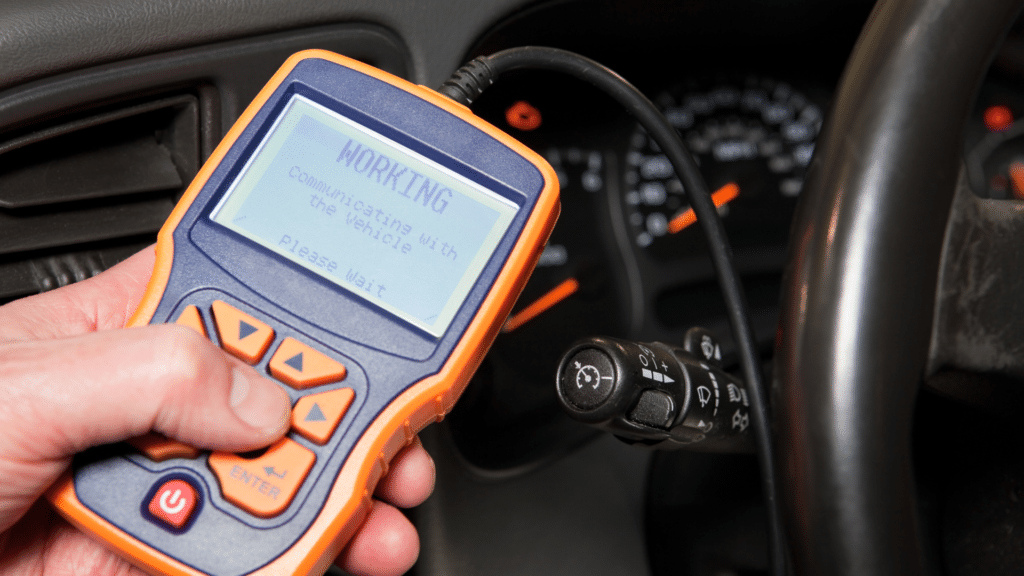
A crucial first step in diagnosing a cylinder 1 injector circuit issue is connecting an OBD-II scanner to the vehicle’s diagnostic port. Most vehicles have a 16-pin trapezoidal port under the dashboard. Ensure the ignition is off before attaching the scanner (in some cases, it can be on without starting the engine to power the scanner). Next, switch on the ignition to the “on” position without starting the engine. This powers the system so the scanner can communicate with the vehicle’s control modules. Follow the prompts on the scanner to retrieve diagnostic codes. When the code P0201 is returned, it confirms a problem with the cylinder 1 injector circuit. Noting this code is key before moving on to further tests.
Circuit Testing to Locate the Fault
Once you have confirmed P0201, the next step is to pinpoint the issue within the injector circuit. Begin by checking for broken wires, loose connections, or signs of corrosion at the connectors. Use a circuit tester or multimeter to check for continuity in the wiring. Touch the probe to either end of each wire: if continuity is lacking, there’s a likely break in the circuit. Split-half testing can further narrow down a fault’s location, divide the circuit and test each segment separately until you isolate the problem area.
Testing Injector Resistance and Voltage
To assess if the injector itself is at fault, disconnect the injector’s electrical connector with the ignition off. Use a multimeter set to measure ohms and check resistance across the injector terminals. Most high-impedance injectors measure between 10 and 16 ohms, but always consult specific vehicle specifications. Next, check for voltage at the injector plug. Turn the ignition on and use the multimeter to measure the voltage, readings should be close to 12 volts; a low reading may indicate a wiring issue.
Step-by-Step Diagnosis Guide
Initial Visual Inspection
Begin by switching off the engine and disconnecting the battery. Open the bonnet and locate cylinder 1’s fuel injector and its wiring harness. Inspect the wiring for signs of obvious damage such as cracks, burned insulation, corrosion, or exposed wires. Check the injector connector for dirt, moisture, or loose fit. Gently push and tug on the connector to see if it is secure. Pay close attention to any areas where the harness passes near moving parts or hot surfaces, as these are common trouble spots.
Testing Continuity in the Circuit
With visual checks complete, use a digital multimeter to measure continuity in the injector circuit. Disconnect the connector at the fuel injector. Then, set the meter to the continuity setting and test between the harness side of the connector and the engine control unit (ECU) terminal. Continuity indicates the wire is intact. Absence of continuity suggests a broken or damaged wire, which will require attention. If available, reference a wiring diagram to ensure correct pin selection.
Checking Voltage and Resistance
For further diagnosis, measure voltage at the injector connector with the ignition switched on, but the engine off. One terminal should show battery voltage, confirming supply from the ECU. If no voltage is present, trace the circuit toward the ECU to identify breaks. After voltage checks, switch the meter to resistance mode and measure the injector’s resistance across its terminals. Most injectors have a specification range, consult the vehicle manual for exact figures. Readings outside this range may signal an internal injector fault, such as a short or open circuit[1].
Accurate diagnosis through systematic inspection helps target repairs and avoid replacing unnecessary components.
How do you fix a P0201 code?
Replacing the Cylinder 1 Fuel Injector
If diagnosed as faulty, Replacing the Cylinder 1 fuel injector may be necessary if it is found to be faulty, but other repairs such as fixing wiring issues or replacing the ECM may also be required. Symptoms prompting replacement may include frequent misfires, poor fuel economy, or engine hesitation. After confirming the fault via resistance or voltage testing, disconnect the battery, remove the electrical connector, and release the injector from its mounting. Install the new injector, ensuring secure fitment and correct reconnection of all wiring. Although some recommend replacing injectors in sets, it is generally acceptable to change only the defective one if the others function well and show no similar issues.
Repairing or Replacing Damaged Wiring and Connections
Damaged or broken wiring is a frequent cause of this fault. Conduct a methodical inspection, looking for frayed wires, cracked insulation, or loose connectors. Minor wire damage can be repaired by sheathing with heat-shrink wrap or electrical tape. For severe issues (such as breaks at connectors) strip the ends and crimp or solder new connectors or splice sections of wire using appropriate tools and rosin-core solder. Secure all repairs and protect wiring from heat and abrasion.
When to Consider ECU Repair or Replacement
If injector and wiring issues are ruled out, and diagnostics point towards the engine control unit (ECU), further investigation is essential. Signs of a failing ECU include erratic check engine lights, inconsistent engine performance, and repeated injector/fuel system errors. ECU replacements should be matched and programmed specifically for the vehicle. Evaluate all other causes fully before replacing this expensive unit.
DIY vs. Professional Repairs
Determining What You Can Safely Repair Yourself
Diagnosing and fixing a P0201 fault code may be complex and often requires professional expertise. For some car owners, diagnosing and fixing a P0201 fault code may be straightforward if you have automotive skills and the right tools. Simple repairs that can often be performed at home include:
These tasks generally require standard automotive tools, such as a multimeter, OBD-II scanner, and basic hand tools. You must be comfortable working around engine components and electrical systems to proceed safely.
- Inspecting the cylinder 1 injector wiring for obvious damage, such as cuts or burnt sections.
- Replacing or reseating loose connectors and terminals in the injector circuit.
- Swapping the cylinder 1 fuel injector with another to check if the fault follows.
- Testing injector resistance with a multimeter and listening for a clicking sound using a screwdriver, which helps confirm if the injector is operating.
Understanding When Professional Help Is Needed
While basic checks and straightforward parts replacement are manageable for many, some issues demand the expertise of a professional technician. If you encounter any of the following, seek expert assistance:
Professional repairs may also be required if you lack access to a full wiring diagram or do not possess the skills to work safely with more advanced automotive electronics.
- Complex electrical problems, such as intermittent faults or a suspected issue within the engine control unit (ECU).
- Inability to clear the code after basic repairs.
- No power or erratic readings at the injector despite all visible wiring being intact.
- Lack of familiarity with advanced diagnostic tools or the need for specialist programming.
Essential Tools and Skills for DIY Diagnosis
Effective DIY work requires some key equipment and know-how:
Proper preparation and honest self-assessment are vital before tackling a fault like P0201. If you are ever unsure, consulting a trusted mechanic will help ensure your vehicle’s reliability and safety.
- OBD-II scanner for retrieving and clearing codes.
- Digital multimeter for continuity and resistance testing.
- Basic set of hand tools like, sockets, screwdrivers, and pliers.
- Knowledge of safe battery disconnection procedures.
- Confidence in working with engine wiring and connectors.
Preventing Future Injector Circuit Issues
Regular Maintenance for Injector Circuit Health
Carrying out regular maintenance is crucial to reduce the risk of future injector circuit faults. Key steps include scheduling fuel injector cleaning and timely fuel filter replacements. Accumulated deposits and contaminants can clog the injectors, restricting fuel flow and leading to reduced performance. Experts recommend using fuel injector cleaners every 30,000 miles, or as part of your regular vehicle maintenance schedule. Cleaning intervals may vary by engine type and driving conditions. Keeping the fuel system clean ensures consistent injector operation and helps avoid expensive repairs down the line.
Fuel Quality and Its Impact
Using high-quality fuel plays a significant role in keeping injector circuits functional. Low-grade fuel often contains debris, water, or rust, which can cause corrosion, wear, and blockages in the injector system. That’s why you should avoid filling up at pumps with questionable reputations and never mix fuel types. Following your vehicle manufacturer’s guidance for fuel type and filter changes helps maintain both the injectors and the entire engine system’s longevity.
Early Warning Signs to Watch
It is important to recognise early warning signs before a fault code appears. Common symptoms include a misfiring engine, rough idling, a sudden drop in fuel economy, erratic RPM readings, or the check engine light illuminating. If you notice any of these changes, prompt inspection and maintenance can prevent more serious problems with the injector circuit.
Early intervention, combined with good maintenance habits and awareness of the impact of fuel quality, can help car owners avoid recurring injector circuit issues and ensure smooth vehicle performance.
Conclusion: Resolving P0201 Effectively
Key Points for Diagnosis and Repair
Addressing a P0201 fault code requires systematic attention to both diagnosis and repair. Start with thorough visual checks for damaged, broken, or loose wiring and connectors in the injector circuit. Use an OBD-II scanner to confirm the code and guide further steps. Circuit testing then helps pinpoint the specific failing component, whether it is the fuel injector, its wiring, or an associated terminal.
When testing, always measure both voltage and resistance in line with manufacturer specifications. Replacing a defective cylinder 1 fuel injector or repairing circuit faults is often necessary if issues are found. If repairs to wiring and connectors do not resolve the problem or if the issue recurs, consideration should be given to the engine control unit (ECU) as a potential source of failure.
Importance of Prompt Action
It is essential to respond quickly to signs of an injector circuit fault. Ignoring symptoms; such as engine misfire, poor fuel economy, or an illuminated check engine light, can lead to more severe issues like further engine damage or increased repair costs. Continued driving with a faulty injector circuit may also result in poor emissions and even risk causing catalytic converter failure, a much more costly repair.
Long-Term Benefits
Regular inspection and maintenance of the fuel system help prevent future faults. This includes using high-quality fuel and ensuring fuel injectors remain clean and functional. Promptly diagnosing and addressing any early warning signs not only increases the reliability of your vehicle but also maximises engine efficiency and reduces the likelihood of major repairs.
Effective resolution of the P0201 code leads to improved performance, lower running costs, and greater peace of mind.
Frequently Asked Questions about P0201
P0201 is a generic OBD-II fault code that flags an electrical problem in the fuel injector circuit for cylinder 1. The engine ECU constantly monitors the voltage and current on each injector driver, and when the signal for cylinder 1 falls outside the expected range – usually because of an open circuit, short, or failed injector winding – it stores P0201 and turns the engine warning light on. It does not, on its own, say whether the injector or the wiring is to blame.
Related fault codes
Other codes affecting the same system. A stored code often arrives alongside its neighbours.
Seeing P0201 on your VW or Audi?
A stored code tells you where to look, not what has failed. Our technicians read the live data, confirm the real cause and quote before any work begins - so you are not paying for guesswork.
Get the code read properly
Main-dealer-level diagnostics in Worthing, from the longest running garage in town. Call the workshop or book online in under a minute.