
P0341 VAG Code: Camshaft Sensor Range/Performance Fault
A P0341 fault code means the camshaft position sensor signal is present but outside the range the ECU expects, so the cam and crank timing no longer correlate correctly. On VAG 2.0 TSI and TFSI EA888 engines this is often an early sign of timing-chain stretch, not simply a faulty sensor.
What does a P0341 code mean?
Definition and Meaning of P0341 Code in VAG Vehicles
The P0341 code in Volkswagen Audi Group (VAG) vehicles points to an issue with the camshaft position sensor (CMP). Specifically, the error occurs when the camshaft position sensor does not produce readings that align with the specifications set by the engine control unit (ECU). This discrepancy is often due to the number of pulses detected during a certain number of engine revolutions not matching the expected values.
How the Camshaft Position Sensor Works with the ECU
The camshaft position sensor plays a crucial role in monitoring the position of the camshaft. It sends signals to the ECU, which uses the data to control various engine functions, including fuel injection timing and ignition. The sensor works by detecting the camshaft’s position using a target wheel attached to the camshaft. As the camshaft rotates, the target wheel passes in front of the sensor, generating a signal that informs the ECU of the camshaft’s precise position.
Relationship Between Camshaft and Crankshaft Position Sensors
The camshaft position sensor and crankshaft position sensor (CKP) share a symbiotic relationship. The crankshaft position sensor monitors the crankshaft’s rotation, providing the ECU with data on the engine’s speed (RPM) and position of the pistons. Together, the readings from both sensors enable the ECU to manage ignition timing, fuel injection, and other critical engine functions. When these sensors’ signals are not in sync, the ECU cannot accurately determine the engine’s timing, leading to performance issues and diagnostic trouble codes like P0341.
The interplay between these sensors is vital, as any discrepancies between their readings can cause the ECU to misjudge the engine’s timing, potentially leading to poor performance, reduced fuel efficiency, and even engine damage. The ECU uses the signal from the camshaft sensor to identify the cylinder and synchronise it with the crankshaft sensor to optimise the fuel injection and ignition timing.
By understanding the importance of these sensors and their interaction with the ECU, one can better appreciate the significance of the P0341 code and the necessity of keeping these components in proper working order. Ensuring that both sensors provide accurate and synchronised signals to the ECU is crucial for the smooth operation of the vehicle.
What are the symptoms of a P0341 code?
When a VAG vehicle shows a P0341 code, it signifies an issue with the camshaft position sensor that does not align with the ECU’s expectations. This sensor is crucial for efficient engine performance and when it fails, several symptoms may manifest.
Engine Starting Difficulties and Extended Cranking Time
One prevalent symptom of the P0341 code in VAG vehicles is the difficulty in starting the engine and extended cranking times. When the camshaft position sensor fails, it sends inaccurate data to the ECU, which disrupts the timing of fuel injection and spark plug firing. This miscommunication delays engine ignition, resulting in longer cranking periods before the engine starts.
Rough Idle and Engine Performance Issues
The camshaft position sensor plays a key role in maintaining smooth engine performance. A faulty sensor leads to rough idling and erratic engine behaviour. The inconsistent sensor readings affect the ECU’s ability to manage ignition timing and fuel delivery efficiently. Consequently, the engine might experience misfires, hesitation, and unsteady idling, all contributing to a decrease in overall performance.
Check Engine Light Illumination and Potential Stalling
The most apparent symptom of a P0341 code is the illumination of the Check Engine Light on the dashboard. This light serves as an immediate alert to the driver of underlying issues within the engine. Additionally, if the camshaft position sensor malfunctions severely, it can cause the engine to stall unexpectedly while driving. This intermittent stalling poses a safety risk and signifies the necessity for immediate attention to the sensor and related components.
Recognising these symptoms can prevent further damage to the engine and ensure the vehicle operates safely and efficiently. Addressing these symptoms promptly is crucial to avoid more serious issues, such as complete engine failure. Regular maintenance and timely repair of the camshaft position sensor can help mitigate these problems.
What causes a P0341 code?
Faulty Camshaft Position Sensor
One of the primary causes of the P0341 code in VAG vehicles is a faulty camshaft position sensor. This vital sensor provides the Engine Control Unit (ECU) with real-time data on the camshaft’s position. A malfunctioning sensor can lead to inaccurate readings or no readings at all, disrupting the ECU’s ability to synchronise the engine’s ignition and fuel injection systems. As a result, engine performance suffers, leading to symptoms such as starting difficulties, rough idling, and even stalling.
Damaged Wiring or Loose Electrical Connections
Another common cause of the P0341 code is damaged wiring or loose electrical connections associated with the camshaft position sensor. The sensor relies on a robust electrical network to transmit accurate signals to the ECU. If the wiring is frayed, corroded, or improperly connected, it can disrupt the sensor’s signal, causing erratic or incorrect data transmission. Checking the wiring and connections is crucial for diagnosing and resolving this issue.
Variable Valve Timing System Malfunctions
The Variable Valve Timing (VVT) system in VAG vehicles adjusts the timing of the valve lift events based on the camshaft’s position. A malfunction in the VVT system can result in the camshaft position sensor’s readings falling outside the ECU’s desired range, triggering the P0341 code. These malfunctions can stem from issues like worn-out VVT components, incorrect oil pressure, or blockages in the oil passages. Addressing these system malfunctions is necessary to restore proper camshaft sensor functionality.
Understanding and diagnosing the root causes of the P0341 code, including a faulty sensor, damaged wiring, and VVT malfunctions, are essential steps in ensuring the vehicle’s optimal performance and longevity. Effective troubleshooting can prevent further engine damage and the need for more costly repairs.
How is a P0341 code diagnosed?
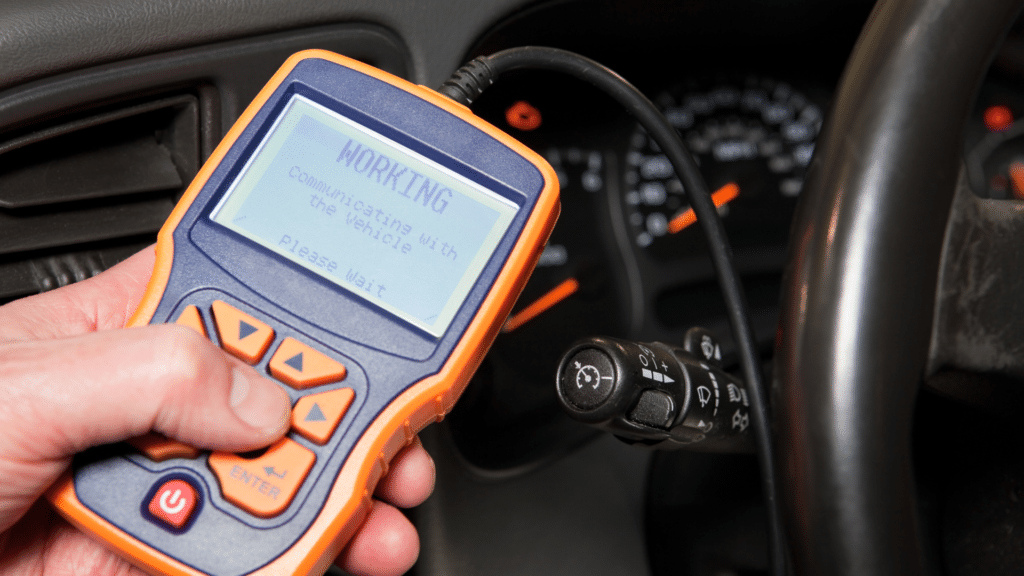
Diagnosing the P0341 VAG code is crucial to ensuring your vehicle operates efficiently and safely. This procedure involves several steps: utilising an OBD-II scanner, inspecting the camshaft position sensor and its wiring for any physical damage, and testing sensor signals with an oscilloscope. Let’s explore these steps in detail.
Using an OBD-II Scanner to Confirm P0341 and Check for Related Codes
The first step in diagnosing the P0341 code is to use an OBD-II scanner. This device connects to your vehicle’s diagnostic port and retrieves trouble codes stored in the Engine Control Unit (ECU). Once connected:
- Scan for Codes: Begin by scanning the ECU for codes. Confirm the presence of P0341 and note any additional codes that may be related. Multiple codes can indicate underlying issues beyond the camshaft position sensor, such as ignition components or crankshaft position sensor problems.
- Interpret Results: If P0341 is confirmed, focus on its implications. This code signifies that the camshaft position sensor’s readings do not align with the ECU’s specifications, often due to a mismatch in the pulse signals detected during engine revolutions.
Inspecting Camshaft Sensor and Wiring for Physical Damage
After confirming the P0341 code, a visual inspection of the camshaft position sensor and its wiring is essential. This involves:
- Locating the Sensor: Identify the camshaft position sensor, which is typically found near the camshaft on the engine.
- Checking the Sensor: Examine the sensor for any signs of damage, such as cracks, corrosion, or contamination from dirt and oil. Damaged sensors can cause incorrect readings, leading to the P0341 code.
- Inspecting the Wiring: Ensure that the wiring connected to the sensor is intact. Look for any loose, broken, or frayed wires and inspect the connectors for corrosion or damage. Wiring issues can disrupt the signal sent from the sensor to the ECU, triggering the P0341 code.
Testing Sensor Signals with an Oscilloscope
To further confirm the integrity of the camshaft position sensor, an oscilloscope can be used to test the sensor signals:
By meticulously following these diagnostic procedures, you can accurately identify the cause of the P0341 code and take appropriate action to resolve it. This ensures that your vehicle remains in optimal running condition, avoiding further complications.
- Connecting the Oscilloscope: Disconnect the sensor harness and attach the oscilloscope directly to the sensor terminals. It is crucial to ensure that engine rotation is simulated accurately during this test.
- Visualising the Signal: With the engine cranking, observe the output signal on the oscilloscope. A healthy camshaft position sensor will produce a consistent and clear signal pattern. A “no signal” result indicates a possible sensor failure or wiring issue.
- Analysing the Data: Compare the observed signal with manufacturer specifications to determine if the sensor is functioning correctly. Any irregularities in the waveform might suggest a faulty sensor or an issue with the timing system.
How do you fix a P0341 code?
Replacing Faulty Camshaft Position Sensor
The P0341 code often points to a faulty camshaft position sensor. The replacement process has several steps, and can generally be completed in about one hour. Begin by disconnecting the negative battery cable to ensure safety. Next, locate the camshaft position sensor. This sensor is usually near the top of the engine, often around the cylinder head or camshaft cover.
Once you have located the sensor, remove the connector by pressing down on the release tab and gently pulling it off. Using the appropriate tool, such as a socket wrench, remove the bolt or screws holding the sensor in place. Carefully take out the old sensor and compare it with the new one to ensure that the replacement is correct.
Before installing the new sensor, examine the O-ring seal and replace it if necessary. Install the new sensor, securing it with the bolts or screws, and reconnect the electrical connector. Finally, reconnect the negative battery cable and clear any existing codes using an OBD-II scanner. This final step ensures that the new sensor is properly configured and the ECU recognises the changes.
Repairing or Replacing Damaged Wiring and Connections
The P0341 code can also be triggered by damaged wiring or electrical connections. Worn or frayed wires and loose connections can cause intermittent sensor signals, leading to inaccurate readings. To address this, visually inspect the wiring connected to the camshaft position sensor. Look for any signs of damage such as cuts, frays, or corrosion.
Use a multimeter to check for voltage drops or continuity issues in the wiring. Connect one probe to the battery’s positive terminal and the other to the sensor’s connector. Activate the sensor and observe the voltage reading. Significant voltage drops indicate a wiring problem. If any issues are found, repair the damaged wires using appropriate methods such as soldering and heat-shrink tubing or replace the wiring entirely.
Ensure that all connections are tightly secured and free from corrosion. Loose connectors can be cleaned with electrical contact cleaner and tightened properly. After completing the repairs, retest the sensor and clear any codes.
Addressing Timing System Issues
Timing system issues can also cause the P0341 code. The camshaft position sensor works closely with the crankshaft position sensor to monitor engine timing. Problems like a stretched or damaged timing chain or belt can disrupt the synchronisation between these sensors, leading to a P0341 code. Symptoms of timing issues include engine misfires, rough idle, and poor acceleration.
If timing issues are suspected, inspect the timing belt or chain for visible wear or damage. Check the tensioner and guides for proper operation. In some cases, the timing belt or chain and related components may need to be replaced. Adjust the timing according to manufacturer’s specifications to ensure proper synchronisation.
After addressing any timing issues, run the engine and monitor for any further signs of trouble. Ensure that the Check Engine Light remains off and that the engine runs smoothly. Fixing timing issues not only resolves the P0341 code but also prevents potential engine damage.
With these repair solutions, you can effectively resolve the P0341 code and maintain your vehicle’s performance. Thorough repairs and accurate diagnostics are essential to ensure the continued health of your engine.
Safety Considerations and Prevention
Risks of Driving with P0341 Code
Driving with a P0341 code is not advisable as it could lead to serious safety issues and potentially more severe engine damage. When the camshaft position sensor (CMP) malfunctions, the sensor’s signal to the Electronic Control Unit (ECU) can become erratic or inaccurate. This inconsistency may cause several problems, such as:
Addressing the P0341 code promptly is crucial to ensure vehicle safety and prevent further mechanical issues.
- Engine Stalling: The engine may unexpectedly stall, leading to dangerous driving situations, especially at high speeds or in heavy traffic.
- Misfires: Incorrect fuel injection timing might cause engine misfires, potentially damaging the catalytic converter and increasing emissions.
- Loss of Power: The vehicle may suffer from decreased performance, making acceleration sluggish, which can be particularly hazardous when merging or overtaking.
Regular Maintenance Recommendations
Regular maintenance plays a pivotal role in preventing the P0341 code and extending the lifespan of the camshaft position sensor. Here are some vital maintenance tasks:
- Routine Inspections: Regularly inspect the camshaft position sensor and its connectors for signs of wear, dirt, or damage. Pay attention to the wiring for any frayed or damaged connections.
- Keep the Engine Clean: Ensuring the engine bay is clean can prevent contamination from oil and debris affecting the sensor’s functionality.
- Use Quality Oils and Fuels: Utilise high-quality oils and fuels to avoid residue buildup, which can lead to sensor malfunctions.
Preventing Future Camshaft Sensor Issues
Taking proactive steps can help in averting future camshaft sensor problems. Implementation of preventive measures includes:
Adhering to these maintenance and preventative strategies helps in sustaining the optimal functioning of the camshaft position sensor and overall vehicle performance.
- Quality Parts: Ensure replacements and repairs use high-quality, manufacturer-recommended parts to avoid premature sensor failure.
- Proper Installation Practices: During sensor installation, confirm that all connections are secure and protective boots are in place to safeguard against moisture and debris.
- Engine Mechanical Maintenance: Regularly monitor and maintain other engine components that may affect the camshaft sensor, such as the timing belt, oil control valves, and VVT actuators.
Professional vs DIY Repair
When to Attempt DIY Repairs
For those with a basic understanding of vehicle mechanics and access to the right tools, attempting to repair a P0341 code issue yourself can be a viable option. Replacing a camshaft position sensor is generally straightforward and could save you money on labour. The task usually involves:
Ensure you have the necessary tools, such as a socket set and torque wrench, and understand the vehicle’s systems before starting. It’s crucial to follow safety protocols, such as disconnecting the battery to avoid electrical shocks or faults.
- Locating the sensor (detailed in the vehicle’s service manual)
- Removing the electrical connector and mounting bolts
- Installing the new sensor according to the manufacturer’s torque specifications
When to Seek Professional Assistance
Seeking professional assistance is recommended when:
Professional mechanics have access to advanced diagnostic tools, OEM parts, and the technical knowledge needed to ensure the problem is accurately addressed, reducing the risk of further damage or safety issues.
- You lack the tools or experience to correctly diagnose and repair the issue.
- The problem persists after replacing the sensor, indicating potential issues with wiring or the variable valve timing system.
- The vehicle’s symptoms are severe, such as frequent stalling or complete engine failure.
Required Tools and Expertise for Repairs
For DIY enthusiasts, here is a list of required tools and expertise for repairing a P0341 code:
Additionally, understanding how to interpret OBD-II scanner data and perform basic electrical tests can be highly beneficial. For complex issues, such as repairs involving wiring harnesses or variable valve timing systems, professional expertise is often required to ensure the job is completed correctly.
By assessing your skill level and the tools at your disposal, you can decide whether to take on the repair yourself or seek professional help. Addressing the P0341 code promptly is crucial to maintaining vehicle performance and safety.
- OBD-II Scanner: To read diagnostic trouble codes and confirm the P0341 code along with any other related codes.
- Socket Set and Screwdrivers: Necessary for removing and securing the camshaft position sensor.
- Torque Wrench: Ensures that the bolts are tightened to the manufacturer’s specifications, preventing over-tightening and potential damage.
Frequently Asked Questions about P0341
P0341 is a generic OBD-II fault code meaning the camshaft position sensor signal is out of range or doesn’t match what the ECU expects relative to the crankshaft sensor. The signal is reaching the ECU, but its pattern – timing, pulse count, or correlation to the crank signal – is wrong. The code points to a range/performance fault, which can mean a worn sensor, signal interference, or, on VAG engines, the camshaft has physically drifted out of position due to a stretched timing chain.
Related fault codes
Other codes affecting the same system. A stored code often arrives alongside its neighbours.
Seeing P0341 on your VW or Audi?
A stored code tells you where to look, not what has failed. Our technicians read the live data, confirm the real cause and quote before any work begins - so you are not paying for guesswork.
Get the code read properly
Main-dealer-level diagnostics in Worthing, from the longest running garage in town. Call the workshop or book online in under a minute.