
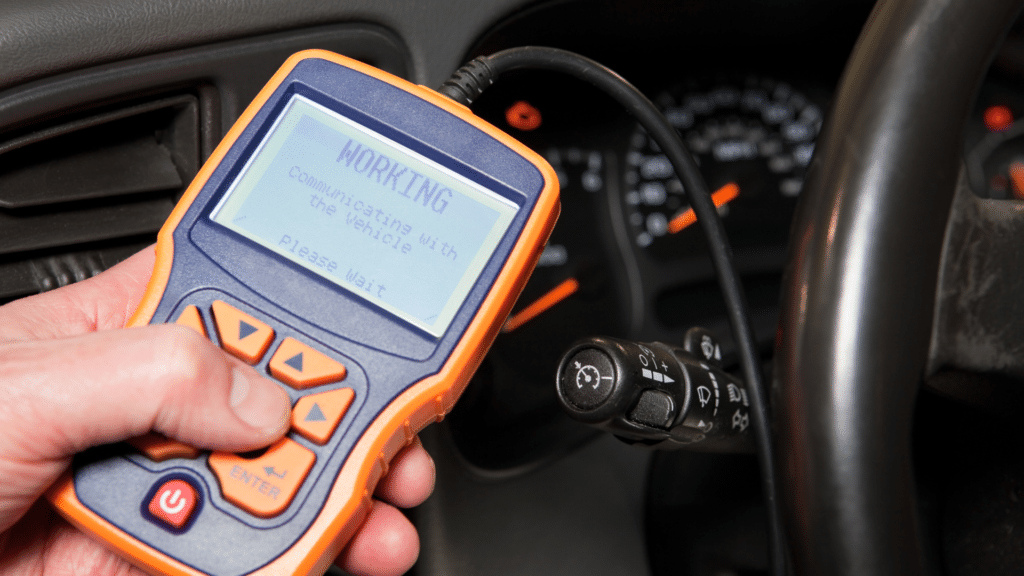
P0101 VAG Code: MAF Sensor Range/Performance Fault
A P0101 fault code means the mass airflow (MAF) sensor reading is outside the range the ECU expects for current engine conditions. The sensor is reporting an airflow figure that does not add up, often because it is dirty or failing, or because there is an unmetered air leak after it.
What does a P0101 code mean?
Definition and Meaning of the P0101 Code for VAG Vehicles
The P0101 diagnostic trouble code (DTC) pertains to a problem with the Mass Air Flow (MAF) sensor performance. For Volkswagen-Audi Group (VAG) vehicles, this code is triggered when the Engine Control Module (ECM) detects an inconsistency or out-of-range signal from the MAF sensor. Specifically, it indicates that the air flow value measured by the sensor does not align with the expected range based on engine load, speed, and other parameters.
Role of the Mass Air Flow (MAF) Sensor in Engine Operation
The MAF sensor is a vital component in the engine’s air intake system, directly influencing the air-fuel ratio. Positioned between the air filter and the throttle body, its primary function is to measure the amount and temperature of the air entering the engine. This measurement is crucial because it ensures the ECM can calculate the precise amount of fuel required for combustion.
How the ECM Uses MAF Sensor Data for Optimal Engine Performance
The ECM is the brain of the vehicle, processing data from various sensors to make real-time adjustments for optimal engine performance. The MAF sensor plays a critical role by providing the ECM with accurate air flow data. Here is how the data is utilised:
By continuously monitoring the air flow, the ECM can adapt to different driving conditions and maintain the engine’s performance, fuel efficiency, and emissions within the desired parameters.
While the MAF sensor data is pivotal for these key functions, any discrepancies, such as those indicated by the P0101 code, can lead to significant engine performance issues. Therefore, understanding and addressing this code is essential for maintaining the health and efficiency of VAG vehicles.
- Fuel Injection Control: MAF data helps the ECM determine the exact amount of fuel to inject into the combustion chamber. Precise fuel delivery ensures complete combustion, enhancing efficiency and power.
- Ignition Timing: The ECM uses MAF sensor input to adjust the ignition timing, ensuring that the spark occurs at the optimal moment for maximum performance.
- Emission Control: Accurate air flow measurements help maintain the ideal air-fuel ratio, critical for reducing harmful emissions. This balance is crucial for meeting stringent environmental standards.
- Turbo Boost Management (for Turbocharged Engines): In turbocharged engines, the ECM uses MAF sensor data to control the turbo boost levels, preventing engine knock and ensuring safe operation under varying loads.
What are the symptoms of a P0101 code?
Check Engine Light (MIL) Illumination
The Malfunction Indicator Lamp (MIL), commonly known as the Check Engine Light, is one of the primary indicators that there is an issue with the Mass Air Flow (MAF) sensor, leading to a P0101 code. When the MIL illuminates, it signifies that the Engine Control Module (ECM) has detected a problem within the sensor’s circuit range or performance. Driving with the MIL on is not advisable as it can lead to more severe engine performance issues and potentially higher repair costs down the line.
Performance Issues
When dealing with a P0101 code, you may notice various performance-related symptoms that stem from the MAF sensor’s malfunction. These symptoms include:
- Rough Idling: A faulty MAF sensor can cause the engine to have inconsistent air-fuel mixtures, leading to erratic idling. This unstable idling can make the engine shake or vibrate when the car is at rest.
- Poor Acceleration: A malfunctioning MAF sensor can lead to improper air-fuel mix, resulting in poor engine response during acceleration. Your vehicle might hesitate, stumble, or feel sluggish as you try to accelerate.
- Stalling: The inconsistency in the air-fuel mixture can cause the engine to stall unexpectedly, particularly at low speeds or when idling. This can be dangerous if it occurs while the vehicle is in motion.
Fuel Economy Problems and Black Exhaust Smoke
The P0101 code also adversely affects fuel economy. When the MAF sensor provides faulty data, the engine may consume more fuel than necessary. This is due to the ECM receiving incorrect information about the amount of air entering the engine and subsequently delivering excessive fuel to compensate. This inefficiency can lead to a noticeable decrease in miles per gallon.
Additionally, you might observe black smoke emanating from the exhaust pipe. This is an indicator of your engine running too rich - a condition where more fuel is being burned than air. This occurs because of inaccurate readings from the MAF sensor, causing an imbalance in the air-fuel mixture.
What causes a P0101 code?
The P0101 code indicates a malfunction with the Mass Air Flow (MAF) sensor in VAG vehicles. This chapter delves into the primary causes that trigger this code, focusing on faulty or contaminated MAF sensors, wiring and electrical connection problems in the MAF circuit, and vacuum leaks and air intake system complications.
Faulty or Contaminated MAF Sensor Issues
Contamination is a frequent culprit behind MAF sensor failure. The MAF sensor is sensitive and can easily be contaminated by oil, dirt, or other debris. This contamination often results from a dirty or clogged air filter, which can lead to inaccurate readings and trigger the P0101 code. Inaccurate airflow data can cause various engine performance problems, including poor acceleration and rough idling.
Another common issue is the failure of the sensor itself. This failure can be due to wear and tear or damage to the sensitive measuring elements within the sensor. Over time, the MAF sensor may degrade and produce incorrect data, leading to the P0101 error code and affecting the fuel-air mixture in the engine.
Wiring and Electrical Connection Problems in the MAF Circuit
The MAF sensor’s accurate functioning relies heavily on secure and correct electrical connections. Any issues in the wiring, such as frayed wires or poor connections, can result in erratic MAF sensor readings. These problems are often identified through diagnostic checks involving voltage testing of the MAF sensor wires.
Loose or corroded connectors can impede the signal transmission between the MAF sensor and the Engine Control Unit (ECU). Ensuring that the wiring is intact and the connectors are clean and secure is critical to solving these problems. In certain cases, it may be necessary to replace damaged wires or connectors to restore proper sensor function.
Vacuum Leaks and Air Intake System Complications
Vacuum leaks can also be a significant cause of the P0101 code. These leaks occur when unmetered air enters the intake manifold, disrupting the air-fuel mixture and causing the MAF sensor to send erroneous data to the ECU. This issue can present itself as rough idling, poor acceleration, and other performance-related problems.
Additionally, leaks in the air intake system, such as cracks in the ducting that connects the MAF sensor to the throttle body, can introduce ‘false air.’ This false air can lead to low-speed stalling and rough idling, further complicating the diagnosis and resolution of the P0101 code.
Understanding these primary causes is crucial for accurately diagnosing and addressing the P0101 code. Ensuring the MAF sensor and its associated systems are clean and functional will go a long way in maintaining optimal vehicle performance. Regular inspection and timely maintenance of these components can help prevent the reoccurrence of this error and other related issues.
How is a P0101 code diagnosed?
Initial Visual Inspection of MAF Sensor and Air Intake Components
The first step in diagnosing the P0101 code involves a thorough visual inspection of the Mass Air Flow (MAF) sensor and all related air intake components. Start by inspecting the MAF sensor housing for any signs of physical damage or contamination. Check for dirt, debris, or oil that might obstruct the sensor elements, and ensure the sensor is securely mounted in place.
Next, inspect the air intake system, including the air filter. A clogged or excessively dirty air filter can affect the airflow and lead to incorrect readings by the MAF sensor. Replace the air filter if it appears dirty or overdue for a change. Examine the air ducting for any cracks, loose connections, or visible gaps that could cause unmetered air to enter the engine, leading to false readings.
Electrical Testing Procedures Using Multimeter and Diagnostic Tools
Once the visual inspection is complete, proceed with electrical testing of the MAF sensor using a multimeter. Begin by checking the output signal of the MAF sensor. To do this:
The voltage reading should fall between 0.5 and 1.5 volts. If the reading is outside this range, the MAF sensor may need to be replaced.
Additionally, perform a resistance test by setting the multimeter to the ohm mode. Connect the probes to the power and ground wires of the MAF sensor connector. The expected resistance should range between 200 and 600 ohms. Abnormal readings might indicate a faulty MAF sensor.
MAF sensor readings can also be checked using a scan tool. At idle, the MAF sensor should read between 2 to 7 grams/second (g/s), and during higher RPMs (around 2500), it may rise to 15 to 25 g/s.
- Disconnect the battery to ensure safety.
- Locate and disconnect the MAF sensor connector.
- Reconnect the battery and turn the ignition key to the ‘on’ position without starting the engine.
- Set the multimeter to the voltage mode. Connect the red probe to the MAF sensor signal wire and the black probe to a good ground point (like the engine block or battery negative terminal).
Vacuum Leak Detection Methods and System Integrity Checks
Finally, it’s essential to inspect for vacuum leaks, as these can also trigger the P0101 code. Vacuum leaks disrupt the air-fuel mixture balance, causing inaccurate readings from the MAF sensor. Common methods for detecting vacuum leaks include:
For more precise leak detection, techniques such as helium leak detection can be used. A sniffer is placed near the vacuum pump inlet and helium is sprayed around suspected leak points; the presence of helium in the system confirms a leak.
Diagnosing the P0101 code through these procedures involves meticulous checks of both the MAF sensor and the related systems. Following these steps can help ensure any issues are identified and addressed promptly, ensuring optimal engine performance and preventing further complications.
- Visual Inspection: Look for deteriorated, cracked, or disconnected vacuum lines.
- Smoke Test: Introduce smoke into the intake system and observe for any escaping smoke, indicating a leak.
- Spray Method: Lightly spray a combustible fluid (like carb cleaner) around areas where leaks are suspected. If the engine idle changes, there might be a leak at that spot.
How do you fix a P0101 code?
Accurately addressing the P0101 code for VAG vehicles involves a series of steps that rectify the issues affecting the Mass Air Flow (MAF) sensor and its surrounding systems. This chapter details the procedures required to clean and replace MAF sensors, handle wiring repairs, and fix air intake system complications, ensuring the vehicle returns to optimal performance.
Step-by-Step MAF Sensor Cleaning and Replacement
- Locate the MAF Sensor: Identify the sensor, which is usually installed between the air filter and the intake manifold.
- Remove the Sensor: Carefully unplug electrical connections and unscrew the MAF from its housing.
- Clean the Sensor: Using a specialised MAF cleaner spray, liberally apply the cleaner to the sensor, avoiding direct contact. Electronics component cleaners can be an alternative if MAF cleaner is unavailable. Allow it to dry completely on a clean shop rag or paper. Important: Avoid using lubricants like WD-40, as these can grease the sensor and lead to inaccurate readings.
- Reinstall the Sensor: Once dry, reinstall the sensor by reversing the removal steps.
- Acquire a Replacement Sensor: Ensure the new MAF sensor matches the vehicle’s specifications.
- Remove the Old Sensor: Disconnect the battery to avoid electrical shocks. Follow the steps to remove the faulty MAF sensor.
- Install the New Sensor: Position the new sensor into its housing and secure it with screws. Reattach electrical connections and the battery.
- Reset the ECM: Disconnect the battery’s negative terminal for 10 minutes and then reconnect it to reset the system.
Wiring Repair and Connector Maintenance Guidelines
- Inspect Wiring and Connectors: Look for signs of fraying, corrosion, or damage.
- Clean Connections: Use electrical contact cleaner and apply dielectric grease to protect the terminals from moisture and corrosion.
- Repair Damaged Wires: Strip the damaged section, twist the strands, and solder them together. Cover with heat shrink tubing for insulation.
- Replace Faulty Connectors: If connectors are beyond repair, replace them with new ones and ensure a firm connection.
Air Intake System Repairs and Vacuum Leak Solutions
Proper execution of these repair solutions will mitigate the issues causing the P0101 code, restoring vehicle performance and fuel economy. Maintaining the air intake system and ensuring the MAF sensor and its connections are in good condition are essential steps in this process.
- Inspect Air Intake Components: Check hoses, clamps, and the air filter for signs of wear or damage.
- Repair or Replace Components: Damaged hoses and filters should be replaced. Ensure all connections are sealed tightly to prevent air leaks.
- Detect Vacuum Leaks: Use a smoke machine, spray method, or visual inspection to locate leaks. Address any found leaks by replacing faulty gaskets or sealing connections. Vacuum leaks can greatly affect the MAF readings, leading to inefficient engine performance.
Prevention and Maintenance
Regular Air Filter Maintenance and Replacement Schedules
Routine maintenance of your vehicle’s air filter is paramount in ensuring the longevity and optimal performance of the Mass Air Flow (MAF) sensor. The air filter acts as the primary barrier against dirt, dust, and debris that could harm the engine and MAF sensor. A contaminated or clogged air filter can lead to poor engine performance and eventually trigger the P0101 error code.
To keep the air filter in prime condition, follow these basic guidelines:
- Inspect the air filter monthly: Remove the filter and check for excessive dirt and debris.
- Replace the air filter as per manufacturer recommendations: Usually, this is every 12,000 to 15,000 miles, or more frequently if you drive in dusty conditions.
- Check during every oil change: Most mechanics will offer to inspect the air filter during routine oil changes, providing a convenient time to replace it if necessary.
Proper MAF Sensor Care and Cleaning Practices
The MAF sensor is a delicate component and requires careful handling and cleaning practices to prolong its life and maintain accurate readings. Here are some key steps:
Consistent cleaning of the MAF sensor can help prevent build-up and ensure optimal sensor performance.
- Locate the MAF sensor: It’s typically found located between the air filter housing and the throttle body.
- Disconnect the electrical connector: Ensure to do this carefully to avoid damaging the wiring.
- Remove the MAF sensor: Using the appropriate tools, unscrew and gently take out the sensor.
- Inspect the sensor: Look for signs of contamination or damage.
- Clean the sensor: Use a specialised MAF cleaner like CRC Mass Air Flow Cleaner. Do not use WD-40 or other general cleaners as they can damage the sensor. Spray the cleaner liberally on the sensor wires without touching them directly.
- Reinstall the sensor: After cleaning, allow the sensor to dry completely before reinstalling and reconnecting it.
Preventive Measures to Avoid Future P0101 Codes
Preventing future occurrences of the P0101 code involves a combination of proactive maintenance and vigilant care:
By adhering to these preventive steps, you can significantly reduce the likelihood of encountering the P0101 code, ensuring smoother engine performance and improved longevity of key components.
- Regularly replace the air filter: As previously mentioned, keeping the air filter clean ensures that the MAF sensor remains uncontaminated by debris.
- Avoid aftermarket high-performance filters: These often come with oil coatings that can contaminate the MAF sensor.
- Periodic inspection of the air intake system: Check for and rectify any vacuum leaks and ensure all connections and hoses are secure.
- Use proper fuel and additives: This helps maintain clean combustion and reduces the risk of internal deposit build-up that could affect the MAF sensor.
When to Seek Professional Help
Complex Diagnostic Scenarios
In dealing with the P0101 code, which indicates issues related to the Mass Air Flow (MAF) sensor in VAG vehicles, there are situations where seeking professional expertise becomes necessary. Complex diagnostic scenarios often arise when the standard procedures fail to resolve the issue. For instance, problems within the Electronic Control Unit (ECU) or deep-seated wiring faults might not be easily identifiable without advanced diagnostic tools and a sound understanding of the vehicle’s entire electronic system.
In cases where there are no visible signs of damage or contamination, but the P0101 code persists, it may indicate an underlying issue requiring specialised training to diagnose accurately. In such situations, relying on a professional mechanic with experience in dealing with VAG vehicles is the best approach to avoid further complications and ensure a precise solution.
Specialised Testing Equipment
Resolving P0101 code issues can sometimes necessitate the use of specialised equipment that goes beyond the scope of standard diagnostic tools found in a typical garage. Professional mechanics have access to advanced tools like a Vag-com or OBD II scanners designed to read and interpret specific vehicle data. These tools can diagnose intricate problems by providing real-time data on vehicle performance, which is crucial for accurately pinpointing faults.
Moreover, certain issues such as intermittent electrical faults or network communication problems within the vehicle’s systems can only be effectively diagnosed using specialised diagnostic equipment. Attempting to diagnose these issues without the proper tools can lead to misdiagnosis or incomplete repairs.
Warranty Considerations
Another critical factor is the consideration of warranty. Many VAG vehicles come with manufacturer warranties that cover repairs for defects in materials or workmanship, including issues with the MAF sensor. Mass Air Flow Sensors are often covered under the vehicle’s manufacturer warranty during the warranty period.
Before attempting any repairs, it’s advisable to check if the vehicle is still under warranty. Repairs done by unauthorised personnel may void warranty coverage, leading to higher costs in the long run. Seeking repairs from certified service centres ensures that the work complies with warranty guidelines, preserving coverage and providing peace of mind.
Certified Repair Options
Certified repair centres have mechanics trained specifically on VAG vehicles and backed by the manufacturer. This ensures that diagnostics and repairs are conducted to the manufacturer’s standards, using genuine parts and the latest repair techniques. Certified centres also ensure that your vehicle’s service history is updated, which is crucial for warranty claims and maintaining the vehicle’s resale value.
Overall, while basic troubleshooting and maintenance can be performed at home, issues like persistent P0101 errors that require complex diagnostics, specialised tools, or involve warranty considerations should be entrusted to professional, certified mechanics. This decision not only guarantees the quality of repairs but also ensures the continued performance and reliability of your vehicle.
Frequently Asked Questions about P0101
P0101 is a generic OBD-II code stored when the engine control module sees the Mass Air Flow (MAF) sensor signal drifting outside the range it expects for current engine load and RPM. In other words, the MAF is reporting an airflow value that does not tally with throttle position, MAP and engine speed. The signal is present, it just is not plausible – which separates P0101 from the related circuit-fault codes P0102 and P0103.
Related fault codes
Other codes affecting the same system. A stored code often arrives alongside its neighbours.
Seeing P0101 on your VW or Audi?
A stored code tells you where to look, not what has failed. Our technicians read the live data, confirm the real cause and quote before any work begins - so you are not paying for guesswork.
Get the code read properly
Main-dealer-level diagnostics in Worthing, from the longest running garage in town. Call the workshop or book online in under a minute.