
P0106 VAG Code: Understanding MAP Sensor Performance Issues and Solutions
Understanding the P0106 VAG Code
The P0106 VAG fault code indicates an issue with the Manifold Absolute Pressure (MAP) sensor. Specifically, this code signifies an “implausible signal” from the MAP sensor. The Engine Control Unit (ECU) relies on this signal to determine the engine’s air intake, enabling it to manage key performance factors such as the fuel mixture and ignition timing.
Role of the MAP Sensor in Engine Management
The MAP sensor plays a crucial role in the engine management system by measuring the air pressure within the intake manifold. This data provides the ECU with an accurate picture of the engine load, which is vital for adjusting the air-fuel ratio, ensuring optimal combustion, and maintaining overall engine efficiency. Any deviation from the expected MAP sensor readings can disrupt these calculations, leading to poor engine performance and increased emissions.
Importance of Addressing P0106 Code Promptly
Ignoring the P0106 code can lead to significant engine issues over time. The immediate effects might include erratic idling, stalling, and a noticeable decrease in fuel efficiency. However, prolonged neglect can cause more severe damage, such as catalytic converter failure and increased wear on engine components due to improper air-fuel mixture. Therefore, it is advisable to address this fault code as soon as it emerges to prevent further damage and costly repairs.
Addressing the P0106 VAG code involves an understanding of its common causes, symptoms, and proper diagnostic procedures, which will be explored in the following sections.
Common Causes of P0106 Code
Faulty or Contaminated MAP Sensor Issues
One of the common causes of the P0106 trouble code is a faulty or contaminated Manifold Absolute Pressure (MAP) sensor. The MAP sensor plays a crucial role in optimising the air-fuel mixture for engine combustion. Over time, this sensor can fail due to wear and tear, or it can become contaminated by dirt and oil residues. When contaminated, the sensor provides inaccurate readings to the Engine Control Module (ECM), leading to a disruption in engine performance. A malfunctioning MAP sensor often results in the P0106 error code, which indicates an issue with the sensor’s performance.
Wiring and Electrical Connection Problems
Another frequent cause of the P0106 code is issues with the wiring and electrical connections linked to the MAP sensor. The sensor is connected to the vehicle’s computer through a network of wires. If any of these wires are corroded, damaged, or loose, it can lead to erratic signal transmission to the ECM. Corroded connectors or loose connections can further exacerbate this problem, resulting in faulty readings. In many instances, the wiring deterioration is due to exposure to harsh environmental conditions, including heat and moisture. Therefore, ensuring the integrity of these connections is vital for accurate sensor performance.
Vacuum System Leaks and Intake Manifold Issues
Vacuum leaks also contribute to the occurrence of the P0106 code. The integrity of the vacuum system is essential for the MAP sensor to function correctly. Cracked or disconnected vacuum lines can lead to erroneous pressure readings in the intake manifold. These leaks are often the result of damaged hoses, worn-out fittings, or even issues within the intake manifold itself. The intake manifold’s role in maintaining the pressure consistency is critical, as any disruption can directly impact the sensor’s readings and trigger the P0106 code.
Addressing these issues promptly ensures that the engine operates efficiently and prevents further damage. Timely repairs and maintenance checks on the MAP sensor, wiring, and vacuum system can help avert the complications associated with the P0106 error code.
Symptoms and Warning Signs
The P0106 VAG fault code is a sign that something is amiss with the Manifold Absolute Pressure (MAP) sensor. Recognising the symptoms can help in diagnosing and addressing the problem early. Here are the main symptoms and warning signs associated with this code:
Check Engine Light Illumination and Performance Issues
The most immediate and noticeable symptom is the illumination of the check engine light on the dashboard. This light indicates that the vehicle’s onboard computer has detected a fault, often due to irregular readings from the MAP sensor. When the sensor or its circuitry malfunctions, the P0106 fault code is triggered, and the engine’s performance can suffer as a result.
Fuel Efficiency Problems and Irregular Engine Behavior
MAP sensor issues can negatively impact fuel efficiency. The sensor plays a crucial role in determining the air-fuel mixture, and a faulty sensor can lead to an incorrect mixture. This might cause the engine to run too rich (excess fuel) or too lean (insufficient fuel), leading to poor fuel economy and increased emissions. Additionally, a malfunctioning MAP sensor can cause erratic engine behaviour, such as misfiring, stalling, and rough running, particularly at idle or low throttle conditions.
Acceleration Difficulties and Rough Idling Patterns
Acceleration difficulties and rough idling are common symptoms of a problematic MAP sensor. When the sensor’s readings are inaccurate, the engine control unit (ECU) may struggle to adjust the air-fuel mixture and ignition timing correctly. This can result in hesitation upon accelerating, poor throttle response, and a noticeable lack of power. Furthermore, the vehicle may experience rough idling, where the engine feels unstable and vibrates excessively when the car is stationary or at a low gear.
By paying attention to these symptoms, you can identify the P0106 fault code early and take the necessary steps to rectify the issue. Proper diagnosis and timely repair are essential to prevent further engine damage and ensure optimal vehicle performance. Regular inspections and maintenance can help detect problems before they escalate, ultimately saving time and money in the long run.
Diagnostic Procedures
When addressing the P0106 VAG fault code, systematic diagnostic procedures are essential to accurately identify and resolve the issue. There are specific steps to follow, including the use of an OBD-II scanner, inspecting vacuum lines and electrical connections, and testing the MAP sensor’s voltage output and response.
Using OBD-II Scanner for Code Verification
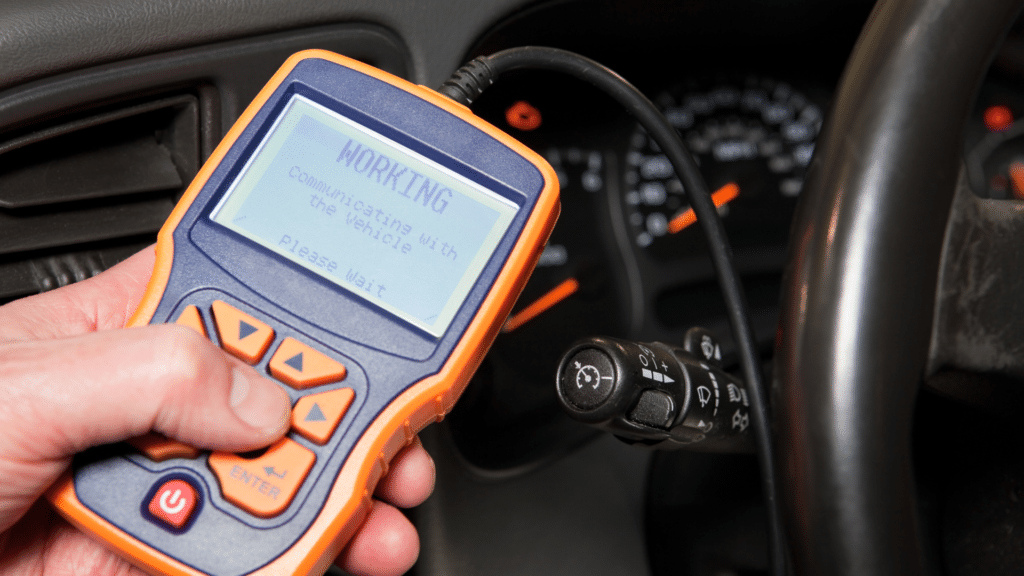
The first step in diagnosing the P0106 code involves using an OBD-II scanner to verify the code. This device aids in reading and clearing diagnostic trouble codes stored in the vehicle’s powertrain control module (PCM). Connect the scanner to the vehicle’s OBD-II port, usually found beneath the dashboard. Once the scanner is connected, it will retrieve the stored P0106 code and any additional codes that might be related to the issue. Clear all the codes and take the vehicle for a test drive while monitoring the live data feed. This helps confirm whether the issue persists and aids in identifying intermittent problems or additional faults that occur under specific driving conditions.
Inspecting Vacuum Lines and Electrical Connections
After verifying the fault code, perform a detailed inspection of the vacuum lines and electrical connections. The vacuum system plays a crucial role in the MAP sensor’s functionality, and any leaks or damage can result in erratic sensor readings. Look for signs of cracked or broken hoses, loose clamps, and disconnected or damaged vacuum lines. Similarly, inspect the electrical connectors and wiring associated with the MAP sensor. Damaged wires, corroded pins, or poor connections can disrupt the signal transmission between the MAP sensor and the PCM, leading to inaccurate readings.
Testing MAP Sensor Voltage Output and Response
The MAP sensor’s voltage output can be tested using a digital multimeter. This test helps confirm whether the sensor is functioning correctly or requires replacement. Begin by identifying the signal, ground, and 5-volt reference wires at the MAP sensor connector. With the ignition switched on but the engine off, the multimeter should read a steady 5 volts for the reference wire and close to 0 volts for the ground wire. The signal wire should typically show a voltage between 0.5 and 1.5 volts for non-turbocharged vehicles and 2.0 to 2.5 volts for turbocharged models when the engine is at idle.
To further test the sensor, start the engine and note the changes in voltage output as the engine load and RPMs fluctuate. The voltage should vary smoothly without erratic jumps. If the sensor’s voltage output deviates significantly from the expected range or exhibits erratic behavior, the MAP sensor may be faulty and need replacement.
Performing these diagnostic procedures ensures an accurate assessment of the P0106 VAG fault code, allowing for targeted repairs to restore the vehicle’s optimal performance. Regular checks and proper diagnostic techniques aid in identifying issues early, preventing further complications. Moving forward, it’s essential to consider the appropriate repair solutions and preventive measures to maintain a reliable engine operation.
Repair Solutions and Fixes
MAP Sensor Cleaning or Replacement Procedures
The MAP sensor is pivotal in providing accurate data about the air pressure in the intake manifold to the Engine Control Module (ECM). When dealing with a P0106 code, addressing the MAP sensor issue is a primary task.
To clean the MAP sensor, follow these steps:
Cleaning the MAP sensor can resolve issues related to build-up and contamination. However, if the sensor remains faulty, consider replacing it.
Sometimes, cleaning doesn’t resolve the P0106 issue, and sensor replacement becomes necessary:
These steps ensure the MAP sensor is either clean or replaced, thus functioning correctly to provide accurate pressure data to the ECM.
- Locate the Sensor: Generally, the sensor is mounted on the intake manifold or throttle body.
- Disconnect the Sensor: Carefully remove the electrical connector and any vacuum hose connected to the sensor.
- Clean the Sensor: Use a cleaner specifically designed for MAP sensors. Spray it inside the sensor 8-10 times, ensuring complete coverage. Allow it to dry before reassembling.
- Reinstall the Sensor: Reconnect the vacuum hose and electrical connector. Ensure everything is secured properly.
- Purchase a Compatible Sensor: Ensure you have the correct sensor for your vehicle model.
- Remove the Old Sensor: Unbolt and disconnect the old sensor.
- Install the New Sensor: Place the new sensor securely, reconnect the electrical connector, and attach any vacuum hose if applicable.
Vacuum System Repair and Maintenance Steps
Vacuum system leaks are common causes of the P0106 code. Addressing these involves:
Regular maintenance of the vacuum system prevents leaks, ensuring consistent and accurate readings from the MAP sensor.
- Inspecting Lines: Check all vacuum lines for cracks, disconnections, or leaks. A stable vacuum pressure is crucial for the MAP sensor’s accuracy.
- Repairing Leaks: Replace any cracked or worn-out hoses. Use vacuum hose sealant or, for minor leaks, silicone and zip-ties for a temporary fix.
- Ensuring Proper Connections: Make sure all vacuum lines are securely connected and free from blockages.
Wiring Harness Inspection and Repair Protocols
Faulty wiring or poor connections can lead to the MAP sensor sending erroneous data, causing the P0106 code.
By maintaining the integrity of the wiring and ensuring stable connections, you address one of the root causes of the P0106 code.
Following these repair and maintenance steps ensures the MAP sensor and related systems function correctly, preventing the P0106 code from reappearing and maintaining optimal engine performance. Regular checks and prompt attention to any arising issues are key in efficiently managing your vehicle’s health.
- Visual Inspection: Inspect the wiring harness connected to the MAP sensor for any visible damage such as chafing, corrosion, or disconnection.
- Using a Multimeter: Test the continuity of the wires. Repair or replace any wires that show breaks or continuity issues.
- Secure Connections: Ensure all connectors are tight. Clean any corroded contacts to ensure a reliable electrical connection.
Prevention and Maintenance
Regular Inspection and Maintenance Schedules
Maintaining a regular inspection and maintenance schedule is crucial to prevent issues related to the P0106 VAG code. By consistently monitoring the engine’s components, especially those associated with the MAP sensor, vehicle owners can avert potential failures. For best results, inspect the MAP sensor every 10,000 to 20,000 miles or as recommended by your car manufacturer.
Routine checks should include examining the MAP sensor for contamination, ensuring vacuum lines are intact and leak-free, and verifying that all electrical connections are secure and free of corrosion. Incorporate these steps into your regular maintenance routine to help maintain optimal engine performance.
Best Practices for Protecting MAP Sensor and Related Components
Protecting the MAP sensor and its associated components requires vigilance and proactive measures:
- Use High-Quality Fuel: Low-quality fuel can lead to carbon buildup on the MAP sensor, potentially causing faulty readings. Always use fuel that meets your vehicle manufacturer’s specifications.
- Regular Cleaning: Dust and debris can contaminate the MAP sensor, leading to performance issues. Regularly clean the sensor using appropriate MAP sensor cleaning solutions.
- Avoid Harsh Conditions: Extreme temperatures and environments can adversely affect sensor performance. Park your vehicle in a garage or shaded area whenever possible.
- Prevent Contaminants: Ensure the air filter in your vehicle is regularly replaced to prevent contaminants from reaching the MAP sensor.
Monitoring System Performance for Early Warning Signs
Constant vigilance in monitoring system performance can help catch early warning signs of potential issues with the MAP sensor. Key aspects to monitor include:
Staying on top of these preventive measures and maintenance practices can substantially reduce the likelihood of encountering MAP sensor issues and the P0106 VAG code, thus ensuring the smooth operation of your vehicle.
- Engine Light: An illuminated check engine light can be an early warning of MAP sensor issues.
- Changes in Fuel Efficiency: Sudden decreases in fuel economy may indicate MAP sensor problems.
- Engine Behaviour: Pay attention to irregular engine behaviour such as rough idling, misfires, or difficulties in acceleration.
- Diagnostic Scans: Regularly use an OBD-II scanner to keep tabs on your vehicle’s health. These scans can help detect any stored trouble codes early, even before noticeable symptoms appear.
When to Seek Professional Help
Though many car enthusiasts and DIY mechanics possess the skills and tools to diagnose and repair many issues related to the P0106 VAG code, certain situations require professional help. Understanding when to seek expert intervention is crucial for ensuring that the vehicle is properly diagnosed and safely repaired.
Complex Diagnostic Situations Requiring Expert Intervention
Automotive diagnostics can sometimes become intricate due to the complexity of modern vehicle systems. Issues such as intermittent faults, corrosion, and loose connections can be elusive, often eluding even experienced mechanics. In such cases, a professional’s expertise is invaluable. They have access to advanced diagnostic tools and can perform more in-depth testing and analysis, which might not be possible with standard OBD-II scanners.
Cases Where Specialized Tools and Expertise Are Needed
Certain diagnostics and repairs of the MAP sensor involve specialized tools and advanced knowledge. For example, using specific automotive diagnostic software to interpret data from the vehicle’s ECU, or conducting vacuum leak tests, may be beyond the scope of many DIY enthusiasts. Moreover, proper replacement and recalibrating of complex parts often require detailed technical knowledge and precision handling that workshops specialize in.
Experienced technicians possess the detailed service manuals, technical service bulletins, and have undergone specific training to understand and fix the issues efficiently. Such knowledge is essential, especially for modern cars where incorrect handling can lead to further complications.
Importance of Proper Repair Validation and Testing
Once repairs are completed, it is critical to validate and test the work to ensure the issue has been properly resolved. Professional repair shops have stringent validation procedures and use sophisticated tools to verify repairs. They perform a series of tests to simulate various driving conditions and monitor the system’s response to ensure that the repair is effective.
Proper validation processes include:
These checks ensure that the vehicle is safe and functioning optimally, providing peace of mind to the vehicle owner.
By seeking professional help in complex situations, vehicle owners can prevent potential misdiagnoses and incomplete repairs. Timely intervention by experts can save time and money in the long run, ensuring the vehicle remains reliable and safe.
- Ensuring that the replaced or repaired component integrates seamlessly with the vehicle’s other systems.
- Confirming that no new faults have been introduced.
- Re-testing the vehicle under real-world conditions to ensure longevity and dependability of the repair.
Frequently Asked Questions about P0106
P0106 is the MAP/Barometric Pressure Circuit Range/Performance fault code. It is logged when the engine control module sees a Manifold Absolute Pressure (MAP) signal that is electrically valid but does not track engine load and revs in the way it should – for example, the MAP reading hardly changes when you put your foot down. It sits between the plausibility-style P0105 and the hard circuit codes P0107 and P0108.
Related fault codes
Other codes affecting the same system. A stored code often arrives alongside its neighbours.
Seeing P0106 on your VW or Audi?
A stored code tells you where to look, not what has failed. Our technicians read the live data, confirm the real cause and quote before any work begins - so you are not paying for guesswork.
Get the code read properly
Main-dealer-level diagnostics in Worthing, from the longest running garage in town. Call the workshop or book online in under a minute.