
P0103 VAG Fault Code: Everything UK Vehicle Owners Need to Know
Introduction
The P0103 VAG Fault Code is a critical diagnostic trouble code that signals a problem with the mass air flow (MAF) sensor or its associated components in VAG (Volkswagen Auto Group) vehicles. This blog aims to provide UK vehicle owners, automotive enthusiasts, and repair professionals with a comprehensive understanding of the P0103 fault code, its causes, symptoms, diagnostic processes, and solutions. Understanding this fault code is vital for maintaining optimal vehicle performance and ensuring compliance with UK emissions standards. In this detailed guide, we will cover everything from the basics of the P0103 code to preventative maintenance tips, ensuring that you are well-equipped to tackle any issues that may arise.
Understanding the P0103 VAG Fault Code
What is the P0103 Fault Code?
The P0103 fault code is defined as “Mass or Volume Air Flow Circuit High Input.” Essentially, this code indicates that the Engine Control Unit (ECU) has detected a signal from the MAF sensor that is higher than the expected range. This discrepancy can lead to a variety of engine performance issues, including poor fuel efficiency, rough idling, and increased emissions.
Relevance to VAG Vehicles
The P0103 fault code is particularly relevant for VAG vehicles, which include popular models from Volkswagen, Audi, SEAT, and Škoda. Notable models affected by this fault code include the Volkswagen Golf, Audi A3, and the SEAT Leon. These vehicles often share similar engine management systems and components, making them susceptible to similar issues, particularly with the MAF sensor.
Causes of the P0103 Fault Code
Common Issues Leading to P0103
Several common issues can trigger the P0103 fault code, which UK vehicle owners should be aware of:
- Faulty Mass Air Flow Sensor: The most significant cause is a malfunctioning MAF sensor. If the sensor fails, it can send incorrect data to the ECU, resulting in the P0103 code.
- Wiring Problems: Damaged, corroded, or loose wiring and connectors can disrupt the signal between the MAF sensor and the ECU. This can create intermittent faults that trigger the P0103 code.
- Signal Shorted to Voltage: P0103 is set when the MAF signal is stuck above its normal range, usually a signal wire shorted to a supply or reference voltage. A vacuum leak makes a MAF read low (P0101 or P0102), not high.
- Dirty MAF Sensor: Accumulation of dirt or debris on the MAF sensor can also lead to incorrect readings. Regular cleaning of this sensor is an essential maintenance task for VAG vehicle owners.
- Faulty Engine Management System: In some cases, the issue may lie within the ECU itself, which can malfunction and misinterpret the signals from the MAF sensor.
Connector Corrosion and Water Ingress
On higher-mileage cars, water ingress around the MAF connector can corrode or bridge the pins, which can push the signal out of range and set P0103. This is the one moisture-related cause worth checking; general weather and cold temperatures do not by themselves drive a MAF signal above its maximum.
Diagnosing the P0103 Fault Code
Tools and Equipment Needed
To effectively diagnose the P0103 fault code, UK mechanics and DIY enthusiasts should have access to the following tools:
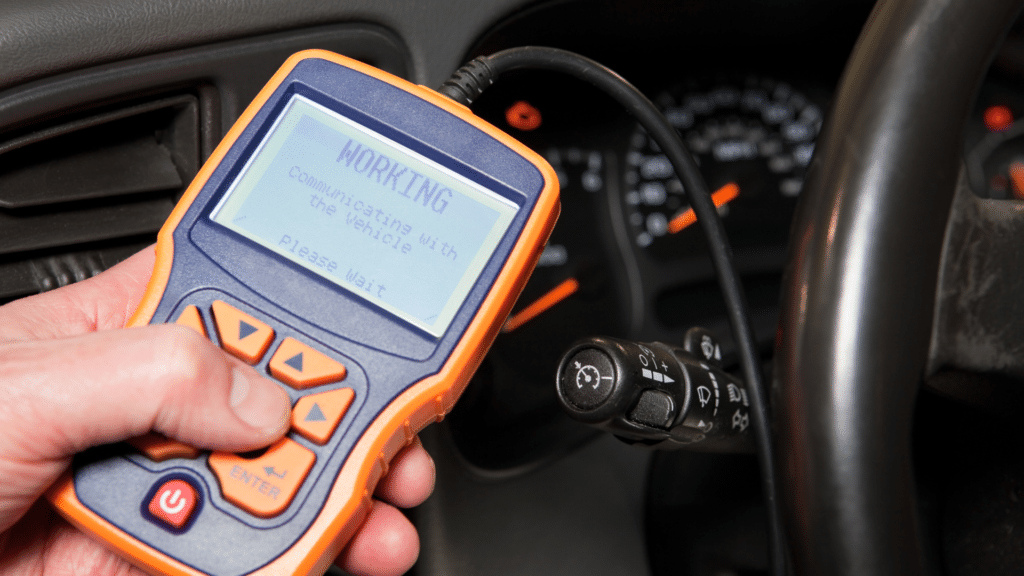
- OBD-II Scanner: An essential tool for reading diagnostic trouble codes. A high-quality scanner will provide real-time data and allow for live monitoring of the MAF sensor readings.
- Multimeter: Useful for checking the voltage and ground connections associated with the MAF sensor.
- Vacuum Gauge: This tool can help identify any vacuum leaks in the intake system, which could be contributing to the P0103 code.
- MAF Sensor Cleaner: If the sensor is dirty, using a specialised cleaner can help restore its function.
Step-by-Step Diagnostic Process
Diagnosing the P0103 fault code involves several methodical steps:
- Initial Scan: Start by using an OBD-II scanner to confirm the P0103 code is present. Check for any additional codes that may indicate related issues.
- Inspect Wiring and Connectors: Visually inspect the wiring and connectors leading to the MAF sensor. Look for any signs of damage, corrosion, or looseness.
- Check MAF Sensor Voltage: Using a multimeter, check the voltage at the MAF sensor connector. Compare the readings to the specifications outlined in the vehicle’s repair manual.
- Test the MAF Sensor: If the voltage readings are abnormal, remove the MAF sensor and clean it with a MAF sensor cleaner. Reinstall and retest. If the code persists, consider replacing the sensor.
- Check for Vacuum Leaks: Use a vacuum gauge to ensure there are no leaks in the intake system. A leak can skew the readings from the MAF sensor, triggering the fault code.
- Re-scan the System: After repairs or replacements, clear the fault codes and take the vehicle for a test drive. Re-scan to confirm that the P0103 code does not return.
Solutions and Repairs for the P0103 Fault Code
Repairing or Replacing the Mass Air Flow Sensor
If the MAF sensor is determined to be faulty, here’s a comprehensive guide on how to replace it:
- Gather Required Tools: You will need a socket set, screwdrivers, and possibly pliers.
- Locate the MAF Sensor: The MAF sensor is typically located in the intake system, between the air filter and the throttle body.
- Disconnect the Battery: For safety, disconnect the negative terminal of the battery before starting any repairs.
- Remove the MAF Sensor: Disconnect the wiring harness from the sensor and remove the screws or clamps holding it in place. Carefully pull the sensor out of the intake.
- Install the New MAF Sensor: Place the new sensor in position, secure it with screws, and reconnect the wiring harness.
- Reconnect the Battery: Reattach the negative terminal and start the vehicle. Monitor the engine performance and check for any fault codes.
Addressing Wiring and Connector Issues
If wiring or connector issues are found, follow these steps:
- Inspect and Identify: Use your multimeter to check for continuity and voltage drops in the wiring harness.
- Repair or Replace: If you find damaged wires, cut out the damaged section and splice in new wire, ensuring to use proper connectors and insulation.
- Clean Connectors: Use electrical contact cleaner to clean any corroded connectors before reconnecting them.
Preventive Measures and Maintenance Tips
To prevent the recurrence of the P0103 fault code, consider the following actionable insights:
- Regular Maintenance: Adhere to the vehicle’s maintenance schedule, including regular inspections of the MAF sensor and intake system.
- Clean the MAF Sensor: Periodically clean the MAF sensor with a specialised cleaner to prevent dirt buildup that can affect its performance.
- Inspect for Leaks: Regularly check for any vacuum leaks in the intake system, especially if you notice changes in engine performance.
- Monitor Driving Conditions: Be mindful of how driving conditions, particularly in the UK’s varied climate, can affect your vehicle’s performance. Avoiding harsh conditions when possible can prolong the life of critical components.
- Use Quality Parts: When replacing parts, always use high-quality components that are compatible with your specific VAG vehicle. This ensures reliable performance and can help avoid future issues.
Conclusion
Understanding the P0103 VAG Fault Code is essential for UK vehicle owners, automotive enthusiasts, and repair professionals. By identifying the causes, diagnosing the issue, and implementing effective solutions, you can maintain optimal engine performance and longevity. Regular maintenance practices can prevent the reoccurrence of this fault code, ensuring your VAG vehicle remains in top shape. If you suspect a P0103 fault code in your vehicle, don’t hesitate to consult a professional or conduct a thorough diagnostic check. Start ensuring your vehicle’s health today!
Frequently Asked Questions about P0103
P0103 is set when the Mass Air Flow (MAF) sensor signal sits above the maximum value the engine control unit can accept – the sensor is effectively telling the ECU the engine is taking in more air than is physically possible. It is the opposite of P0102 (circuit low). On VAG cars it almost always points at the MAF sensor itself or its wiring, rather than at airflow conditions in the intake.
Related fault codes
Other codes affecting the same system. A stored code often arrives alongside its neighbours.
Seeing P0103 on your VW or Audi?
A stored code tells you where to look, not what has failed. Our technicians read the live data, confirm the real cause and quote before any work begins - so you are not paying for guesswork.
Get the code read properly
Main-dealer-level diagnostics in Worthing, from the longest running garage in town. Call the workshop or book online in under a minute.