
Understanding P0400 VAG Code: Complete Guide to EGR Flow Malfunction
What is the P0400 VAG Fault Code?
Definition and Meaning
The P0400 fault code is officially defined as “Exhaust Gas Recirculation (EGR) Flow Malfunction.” This code is specific to situations where the flow of exhaust gas recirculation is lower than what the powertrain control module (PCM) or engine control module (ECM) expects. In everyday terms, this means the system is not sending enough exhaust gases back into the engine under conditions that call for EGR. This recirculation helps lower engine temperatures and reduce harmful emissions, especially nitrogen oxides (NOx).
What the Code Indicates
When a P0400 code appears, it points to insufficient movement of exhaust gases via the EGR system. The EGR valve is responsible for diverting some exhaust gases back to the intake manifold, mixing them with incoming air and fuel. This process lowers combustion temperatures and controls emissions. If the exhaust gases do not flow as commanded, the engine does not operate as designed. The result is increased emissions and, in certain cases, reduced efficiency or potential damage over time.
Detection by the PCM/ECM
Modern VAG vehicles monitor the EGR system with sensors and the PCM/ECM. These controllers use data from air flow, pressure, temperature, and valve position sensors to determine how much exhaust gas should be recirculated at any given moment. If sensors detect that actual EGR flow is less than the predetermined target, the PCM/ECM stores the P0400 code and may illuminate the check engine light. This ensures the vehicle owner is alerted to potential emissions problems that could affect performance or cause a failed MOT or emissions test.
Addressing a P0400 code promptly can help prevent further issues and maintain optimal engine performance.
Understanding the EGR System
Purpose and Function
The Exhaust Gas Recirculation (EGR) system is a crucial part of modern vehicle emission control. Its main purpose is to reduce nitrogen oxide (NOx) emissions produced during combustion. High temperatures in the engine cause nitrogen and oxygen in the air to react, forming NOx, which is a significant air pollutant. The EGR system works by recirculating a precise amount of exhaust gas from the exhaust manifold back into the engine intake. This process lowers the oxygen concentration in the combustion chamber, which in turn reduces peak combustion temperatures and suppresses the formation of NOx.
Emission Reduction and Efficiency
By introducing exhaust gases into the intake, the mixture of air and fuel entering the engine becomes diluted. This reduced oxygen content causes the fuel to burn at a lower temperature. Cooler combustion means less NOx is formed. In addition to emission control, lowering the combustion temperature can improve the engine’s efficiency by reducing “pumping losses” and increasing knock resistance, especially in petrol engines. This can lead to a small gain in fuel economy and help prevent engine knocking under load.
Key Components
The operation of the EGR system relies on several components working together:
A clear understanding of these components and their interplay is essential for diagnosing and resolving issues such as insufficient EGR flow. This insight lays the foundation for identifying common causes behind EGR system malfunctions.
- EGR Valve: The main mechanism controlling the flow of exhaust gases from the exhaust to the intake manifold. It can be vacuum-operated or electronically controlled, and positions vary according to engine conditions.
- EGR Cooler: In many modern systems, especially in diesel engines, exhaust gases pass through a cooler before entering the intake, further lowering combustion temperatures.
- Sensors: The system uses sensors to monitor temperature, pressure, and the position of the EGR valve to ensure optimal operation and provide feedback to the engine control module.
- Passages and Pipes: Tubes or internal channels transport the exhaust gases between the exhaust manifold, EGR valve, and intake manifold.
Common Causes of P0400 in VAG Vehicles
Clogged EGR Passages and Carbon Build-Up
One of the most frequent causes of a P0400 fault in VAG vehicles is blockage within the EGR passages. The exhaust gases that the EGR system recirculates naturally carry soot and carbon particles. Over time, these deposits can accumulate and restrict or completely block the flow. This build-up is especially common in diesel engines, where soot production is higher. Severely clogged passages prevent the correct amount of exhaust gas from entering the intake manifold, leading the vehicle’s engine control module (ECM) to set the P0400 code as it detects insufficient flow.
Faulty EGR Valves and Damaged Vacuum Lines
A defective EGR valve is another key cause. If the valve gets stuck open or closed due to mechanical failure or excess carbon, the required gas flow cannot be achieved. On older vehicles, the EGR valve typically operates using vacuum lines. Damage or blockages in these lines can also stop the valve from opening as needed, directly impacting EGR function. Modern systems rely on electrical control, but electrical failures can also occur.
Sensor Malfunctions
EGR flow is measured and regulated with sensors such as the EGR position sensor, temperature sensor, or pressure sensor. Should any of these give faulty readings or stop functioning, the ECM may receive incorrect data about the actual flow levels, resulting in a flow malfunction warning. Even a single failed sensor could trigger the P0400 code.
Electrical Issues in the EGR Control Circuit
Wiring faults, poor electrical connections, or a weak signal in the EGR control circuit may also disrupt valve operation. If the ECM cannot send proper signals to the EGR valve or sensors due to these electrical problems, the EGR system will not respond as expected, leading to insufficient flow.
Understanding these root causes helps in identifying where the fault may lie, making diagnosis more directed and efficient.
Symptoms Associated with P0400
Illumination of the Check Engine Light
The first and most common sign of a P0400 fault in VAG vehicles is the activation of the check engine light. The onboard diagnostics system registers this code when the engine control unit detects insufficient flow within the EGR system. Sometimes, an illuminated check engine light might be the only clear indication, with no other immediate symptoms visible to the driver. When scanned, the diagnostic tool will return the P0400 code and often log related EGR system fault codes as well.
Engine Performance Issues
A malfunction in the EGR system due to code P0400 can affect the overall efficiency and smooth running of the engine. Drivers may notice:
These performance drops can be minor at first but may worsen if the issue is left unresolved.
- Reduced fuel economy, often due to the engine running hotter or with a less efficient fuel mixture.
- Engine hesitation, particularly during acceleration, as the air-fuel mix becomes suboptimal.
- Occasional rough idling or difficulty starting, in some cases where the problem is more advanced.
Risks of Engine Knock and Long-Term Damage
If the EGR malfunction persists, it may lead to higher combustion chamber temperatures. This environment increases the risk of engine knock or ‘pinging’, a condition where fuel ignites prematurely. Over time, continuous knocking can pre-damage pistons and valves, leading to more severe internal engine problems and costly repairs. Unresolved, this also raises the likelihood of failing emissions tests and could harm the catalytic converter.
Being aware of these symptoms allows for early detection and intervention, reducing the risk of more serious mechanical issues down the line.
Diagnosing P0400 in VAG Vehicles
Using OBD-II Scanners to Retrieve Codes
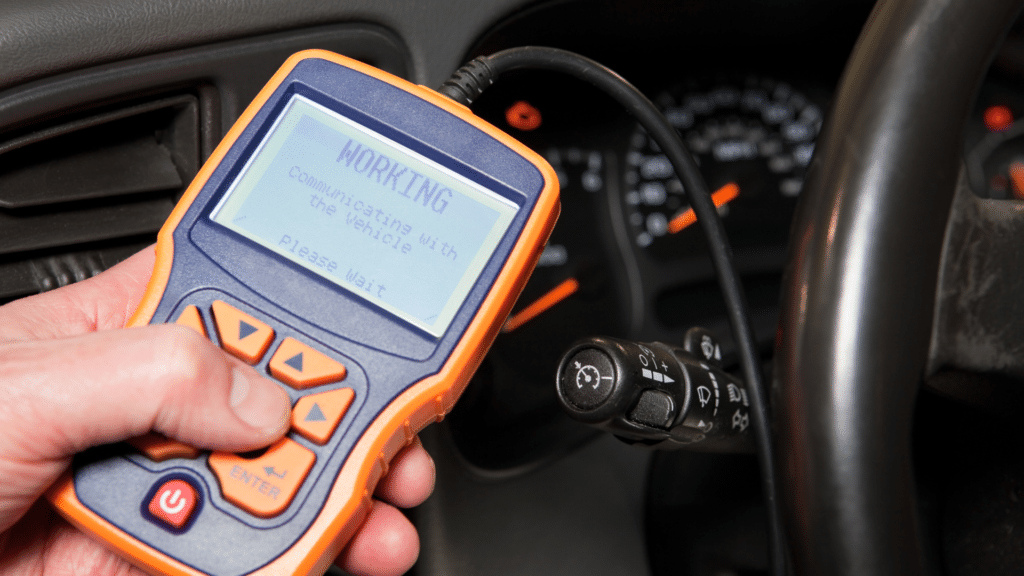
Diagnosing a P0400 fault code in a VAG vehicle begins with connecting an OBD-II scanner to the diagnostic port, typically found beneath the dashboard. Once connected, the scanner will read any stored Diagnostic Trouble Codes (DTCs). The code P0400 indicates an issue with the Exhaust Gas Recirculation (EGR) flow. In addition to this, the scanner may reveal other related codes or provide live data such as the “Commanded EGR” percentage, helping determine if the EGR valve is responding as expected. Interpreting these codes is crucial for narrowing down the problem area within the EGR system.
Visual Inspection of EGR Components
After retrieving fault codes, a visual inspection is key. Begin by examining the EGR valve and its mounting area for signs of carbon build-up, which can restrict exhaust gas flow. Inspect the EGR passages for obstructions and check vacuum lines for cracks, leaks, or looseness. Pay attention as well to the electrical connections on EGR sensors and solenoids for corrosion or damage. Such simple checks often reveal physical issues that cause malfunctions.
Testing Valve Operation and EGR Flow
Testing EGR valve functionality is the next step. For vacuum-operated EGR valves, use a hand-held vacuum pump to apply pressure and observe if the valve stem moves as intended. No movement under vacuum usually means the valve or diaphragm is faulty. If the vehicle uses an electronically-controlled EGR valve, command the valve open using a compatible scan tool while monitoring live data. Movement of the valve without corresponding change in EGR flow or code reset can indicate blocked passages or sensor faults. More advanced testing may include checking the EGR temperature or pressure sensors to ensure they provide accurate readings.
A systematic approach combining code reading, visual inspection, and mechanical testing helps pinpoint the cause of a P0400 code without unnecessary part replacement. Keeping up with these diagnostic methods supports reliable identification of EGR system issues.
How to Fix P0400 in VAG Vehicles
Cleaning the EGR Valve and Passages
A common cause of the P0400 code is carbon build-up within the EGR valve and its passages. To address this, remove the EGR valve from the intake manifold once cooled. Wear acid-resistant gloves and safety glasses to protect yourself from debris and chemicals. Spray an EGR valve cleaner directly onto the carbon deposits. Allow time for the solvent to loosen the build-up. Use a soft-bristle brush or pipe cleaning brush to scrub deposits away. Compressed air can help remove remaining residue from tight spaces. Ensure all passages are free from blockages before reinstalling the valve. This approach often restores normal EGR flow and may clear the P0400 code if build-up was the main issue.
Repairing Vacuum Lines and Electrical Connections
Inspect vacuum hoses connected to the EGR system for cracks, splits, or disconnections. Damaged hoses can be temporarily sealed with strong tape, but for lasting reliability, replace compromised lines with quality hoses and proper connectors. Also, examine electrical connectors at the EGR valve and sensors for corrosion or loose pins. Repair or replace as necessary, ensuring all connections are tight and clean. Resolving leaks and electrical faults ensures accurate EGR system control.
Replacing Faulty Components
If cleaning and minor repairs do not resolve the code, the EGR valve or related sensors may have failed. Replacing a faulty EGR valve restores exhaust gas control and often resolves persistent flow issues. Some sensors (such as EGR position or temperature sensors) may need replacement if found to be inaccurate or inoperative during testing. Always use parts that meet the manufacturer’s standards for best results.
Careful attention to these steps increases the likelihood of resolving P0400 faults without recurring issues. Proper repair helps restore engine performance and reduce emissions.
DIY Solutions vs Professional Repairs
DIY Methods for P0400 Troubleshooting
For many VAG vehicle owners, addressing a P0400 EGR flow malfunction starts with straightforward diagnostic steps. Begin by confirming the P0400 code using an OBD-II scanner. This scan helps isolate the EGR system as the cause of the warning light.
After confirming the code, visually inspect all vacuum hoses and electrical connections linked to the EGR system for signs of cracks, splits, or corrosion. Damaged hoses or connectors are common culprits and are generally simple to replace at home. Next, consider removing the EGR valve to check for carbon deposits; these build up over time and can block gas flow. Cleaning the EGR valve and passages with a recommended solvent or EGR cleaner can clear these blockages. Make sure all parts are fully dry and reconnected before testing the system again.
Some home mechanics also use a vacuum pump to test EGR solenoid function, if equipped. When following these steps, refer to your vehicle’s service manual to ensure correct procedures. Using OE-quality replacement parts and proper tools helps ensure repairs last.
When to Seek Professional Help
While many EGR faults can be managed at home, there are limits. If cleaning and replacing accessible parts do not resolve the issue, or if the EGR system involves complex electronics and sensors, a professional diagnostic is recommended. Mechanics have tools to test sensor readings, check ECM software, and measure exhaust flow precisely. Persistent problems, recurring fault codes, or failed emission tests should prompt a visit to an experienced technician.
Preventing Future EGR Issues
Maintenance Practices to Reduce Carbon Build-up
Routine care of the EGR system is essential for minimising carbon deposits. Over time, exhaust gases can cause soot accumulation inside the EGR valve and passages. Regular cleaning of these parts can greatly reduce the risk of blockages. Depending on driving conditions, inspecting the EGR valve and related passages every 20,000 to 30,000 miles is recommended. Many owners use dedicated EGR cleaners or simple hand tools to gently remove carbon build-up. Preventive cleaning helps maintain efficient exhaust gas flow and supports steady engine performance.
Regular Inspection Schedules
Sticking to a schedule for checking EGR components helps catch early signs of wear or malfunction. Visual inspection should cover the EGR valve, pipelines, and vacuum lines for cracks, leaks, or loose connections. Electronic sensors and wiring linked to the EGR system should be checked for corrosion or damage. Early detection of issues will prevent more severe faults and the possibility of triggering the P0400 code.
Fuel Quality and Driving Habits
The quality of fuel used and driving behaviour both influence the EGR system’s longevity. Higher quality fuel creates cleaner combustion, resulting in fewer particulates entering the EGR system. Drivers who frequently make short trips or idle for extended periods are more likely to experience carbon build-up. Regularly allowing the engine to reach full operating temperature and including occasional motorway driving can help reduce soot accumulation by maintaining optimal combustion and exhaust flow conditions.
Severity and Urgency of P0400
Assessing the Impact on Vehicle Operation
The P0400 code is generally not linked to immediate or severe drivability problems. Many drivers may only notice the check engine light or a minor drop in fuel efficiency when this code first appears. However, it is important not to underestimate the underlying issue. The EGR system helps control engine temperatures and reduce emissions, both of which are critical for the long-term health of your engine.
Potential Consequences of Ignoring the Fault Code
If the P0400 fault is ignored, negative effects can accumulate over time. A faulty EGR system raises combustion chamber temperatures, making the engine more likely to suffer from spark knock (pinging) and pre-ignition. These issues can lead to gradual, but serious, engine damage. Key components at risk include pistons and valves, which may face excessive wear or even failure if the problem remains unresolved. Long-term neglect can also result in increased emissions, leading to a failed emissions test and potential fines or restrictions on road use.
While your vehicle may still be driveable for a short period, ongoing use with an unresolved P0400 code increases stress on multiple engine parts. Expect continued rises in fuel consumption and possible performance issues, such as rough idling or hesitation.
Recommended Timeframe for Repair
Most guidance recommends addressing a P0400 issue within 100-200 miles of the code appearing on your dashboard. Swift action can help you avoid avoidable wear, emission failures, and large repair bills in the future. Prompt diagnosis and repair will ensure your engine remains reliable, compliant with environmental standards, and cost-effective to run.
Understanding the implications of this fault code forms a foundation for recognising related issues that may arise within the EGR system.
Frequently Asked Questions about P0400
P0400 is a generic OBD-II code that stands for ‘Exhaust Gas Recirculation Flow Malfunction’. It means the engine control module has detected that the EGR system is not flowing exhaust gas the way it expects: either too little, too much, or at the wrong moment. P0400 is the umbrella code; P0401 means specifically insufficient flow and P0402 means excessive flow. On VAG vehicles, it is far more common on diesel TDI engines than on petrol units.
Related fault codes
Other codes affecting the same system. A stored code often arrives alongside its neighbours.
Seeing P0400 on your VW or Audi?
A stored code tells you where to look, not what has failed. Our technicians read the live data, confirm the real cause and quote before any work begins - so you are not paying for guesswork.
Get the code read properly
Main-dealer-level diagnostics in Worthing, from the longest running garage in town. Call the workshop or book online in under a minute.