
P0404 VAG Fault Code Explained: Symptoms, Causes, and Expert Solutions
Understanding the P0404 VAG Fault Code
The P0404 fault code indicates an ‘Exhaust Gas Recirculation Circuit Range/Performance Problem.’ This diagnostic trouble code (DTC) is logged by the Powertrain Control Module (PCM) when it detects an issue within the EGR system. Specifically, it means that the EGR valve’s performance is not within expected parameters, impacting how exhaust gases are recirculated into the engine.
What the Code Indicates About the EGR Valve Performance
The Exhaust Gas Recirculation (EGR) valve is crucial for managing exhaust gas flow back into the engine’s combustion chambers, helping to reduce nitrogen oxide (NOx) emissions. When the P0404 code triggers, it signals that the PCM has detected a malfunction in the EGR valve’s operation. This could mean that the valve is stuck open, closed, or unable to move to the desired position, leading to improper exhaust gas recirculation. Such issues can cause poor engine performance, higher emissions, and reduced fuel efficiency.
How the PCM Detects and Logs This Error
The PCM constantly monitors the EGR valve’s operation through the EGR position sensor, which provides real-time data on the valve’s status. The PCM checks the inputs from various sensors, including the EGR position sensor, to determine whether the EGR valve operates within the specified range. If it detects inconsistencies or deviations from expected performance levels, it logs the P0404 fault code.
The detection process involves the PCM cross-checking sensor data with pre-programmed performance expectations. If it notices the EGR valve is not matching the desired parameters, such as remaining open or closed longer than it should, it triggers the check engine light as an alert for potential issues within the EGR system.
The Role of the EGR System in Your Vehicle
Function of the Exhaust Gas Recirculation (EGR) System in Reducing NOx Emissions
The EGR system is vital in reducing nitrogen oxides (NOx) emissions from your vehicle’s engine. NOx emissions, including nitric oxide and nitrogen dioxide, are significant pollutants contributing to smog and acid rain, adversely affecting human health and triggering respiratory issues. The EGR system works by recirculating a portion of exhaust gases back into the combustion process after cooling them. This reduces the oxygen concentration in the combustion chamber and lowers peak combustion temperature, decreasing NOx formation.
How the EGR Valve Regulates Exhaust Gas Flow Back into Engine Cylinders
The EGR valve is integral to the EGR system, regulating the amount of exhaust gas reintroduced into the engine’s intake air. The valve’s operation is typically controlled by the vehicle’s electronic control unit (ECU), based on various engine parameters. When the EGR valve opens, it allows a measured amount of cooled exhaust gas to mix with the intake air, which is then drawn into the engine cylinders. This process lowers combustion temperatures and reduces NOx production. Vacuum-operated EGR valves use a diaphragm mechanism controlled by a vacuum solenoid to modulate the valve’s opening and closing, ensuring precise control over the recirculated exhaust gases.
Importance of Proper EGR Operation for Engine Performance and Emissions Compliance
Maintaining proper EGR operation is essential for engine performance and emissions compliance. By recirculating exhaust gases into the combustion chambers, the EGR system reduces NOx emissions while improving fuel economy and engine efficiency. It helps prevent engine knock or detonation by lowering combustion temperature. However, if the EGR valve becomes clogged or malfunctioning, it can lead to significant engine performance issues, such as rough idling, stalling, and increased emissions. Regular maintenance and cleaning of the EGR system are crucial for optimal performance and compliance with emissions regulations.
Common Symptoms of a P0404 Fault Code
Illuminated Check Engine Light
One of the most immediate indicators of a P0404 fault code is the check engine light illuminating on your vehicle’s dashboard. This alert serves as your vehicle’s primary method of notifying you of irregularities within the engine or its systems, including the EGR. The check engine light can illuminate for various reasons, so it is crucial to use an OBD scanner to verify the specific fault code.
Performance Issues
Performance issues associated with a P0404 fault code often include rough idling, pinging during acceleration, and potential stalling. These symptoms arise due to the malfunctioning EGR valve, which disrupts the normal flow of exhaust gases being reintroduced into the combustion chambers. When the EGR valve does not operate correctly, it can cause an uneven air-fuel mixture, resulting in rough engine performance and instability during idling or driving.
- Rough Idling: A malfunctioning EGR valve can cause the engine to idle unevenly, producing noticeable vibrations or fluctuations in RPMs.
- Limp Mode and Reduced Power: Because the EGR valve is not responding to the commanded position, the engine can drop into limp mode with reduced power and hesitation. Pronounced pinging or knocking is more typical of insufficient EGR flow (P0401) than of this range or performance fault.
- Potential Stalling: In severe cases, the engine may struggle to maintain idle speed or even stall due to improper recirculation of exhaust gases.
Decreased Fuel Economy and Increased Emissions
A vehicle experiencing the P0404 fault often experiences a noticeable decrease in fuel economy. This inefficiency stems from the EGR system’s inability to control exhaust gas flow back into the combustion chambers correctly, leading to higher fuel consumption.
Additionally, a malfunctioning EGR system typically results in increased emissions. The EGR valve’s primary function is to reduce NOx emissions by lowering combustion temperature. When the EGR valve fails, combustion temperature can rise, leading to higher NOx emissions, affecting vehicle emissions compliance and potentially causing the vehicle to fail emissions tests.
These combined symptoms impact the vehicle’s performance and efficiency and pose a significant environmental concern due to increased pollutants. Addressing a P0404 fault code promptly is imperative to maintain your vehicle’s performance, fuel economy, and compliance with emission standards.
Potential Causes of the P0404 Code in VAG Vehicles
When the P0404 fault code appears in VAG vehicles, it signifies an issue with the EGR system’s performance. Several factors can cause this code, impacting the overall function and efficiency of the EGR valve.
Dirty or Malfunctioning EGR Valve with Carbon Buildup
A common cause of the P0404 code is a dirty or malfunctioning EGR valve. Over time, recirculated exhaust gases can deposit carbon particles inside the valve, leading to buildup. This accumulation restricts the valve’s movement and reduces efficiency. When the EGR valve cannot operate correctly, it fails to regulate exhaust gas flow back into the engine cylinders effectively. As a result, you might experience increased emissions, rough idling, high fuel consumption, and contamination of other engine components. Regular cleaning of the EGR valve is necessary to prevent such issues and maintain optimal engine performance.
Electrical Issues Including Grounded or Shorted Wiring and Connection Problems
Another potential cause of the P0404 code includes electrical faults. The EGR system relies heavily on electrical components for proper operation. Grounded or shorted wiring can disrupt the circuit, causing the PCM to log the P0404 code. Loose or damaged connections can further contribute to this problem, resulting in inconsistent communication between the EGR valve and the PCM. Symptoms of electrical issues may include dimming lights, stalling, power warning lights, or even a burnt smell. A thorough visual inspection of the wiring and connections can help identify these faults, ensuring they are rectified to restore normal operation.
Faulty EGR Position Sensor or Erratic Valve Movement
A faulty EGR position sensor is another critical cause of the P0404 code. This sensor monitors the position of the EGR valve and provides feedback to the PCM. If the sensor malfunctions, it can give inaccurate readings, leading the PCM to detect erratic EGR valve movement. When the feedback voltage deviates from expected values, the PCM logs the code, indicating a range or performance problem. Symptoms of a faulty sensor include higher fuel consumption, reduced acceleration, and persistent emissions issues. Diagnosing the position sensor’s performance and replacing it if necessary can resolve these issues.
Diagnosing the P0404 Fault Code
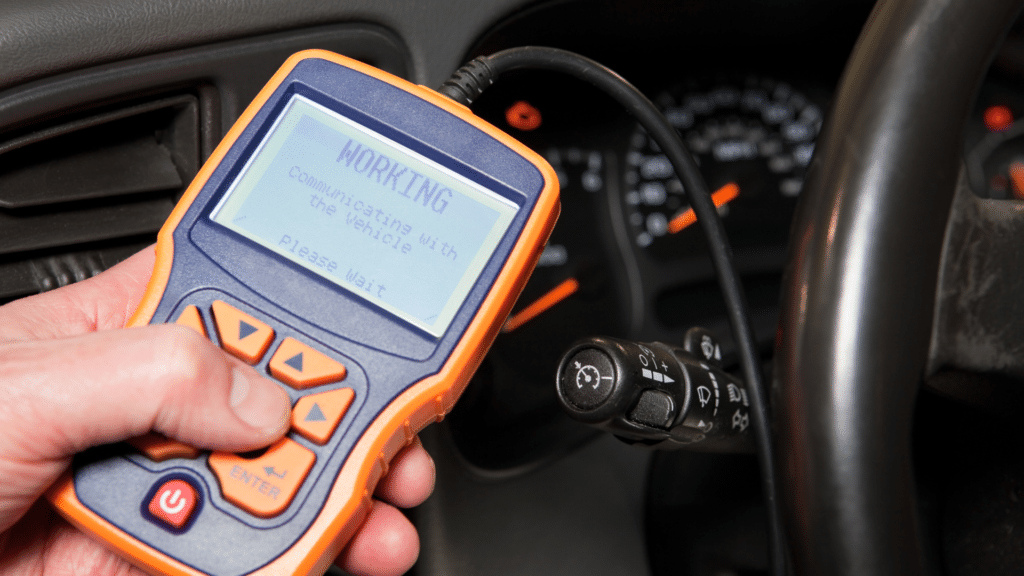
Using an OBD Scanner to Confirm the Code and Check for Additional Related Codes
Diagnosing the P0404 fault code begins with utilising an On-Board Diagnostics (OBD) scanner. This tool is essential for confirming the presence of the P0404 code and identifying any additional related codes that may provide insight into the issue’s root cause. Once connected, the OBD scanner will communicate with the vehicle’s PCM to retrieve stored codes. It’s crucial to note all findings, as more than one code may relate to the EGR system malfunction.
Inspecting the EGR Valve and Sensor for Visible Carbon Buildup or Damage
After confirming the P0404 code, attention should shift to the EGR valve and position sensor. A common issue causing this fault code is carbon buildup, obstructing valve movement and sensor accuracy. Inspect the EGR valve for visible carbon deposits and clean them if necessary. This process ensures the valve can operate correctly. Check the EGR position sensor for wear or damage, which might lead to erratic valve movement. Replacing a faulty sensor can restore proper EGR system performance.
Evaluating the PCM’s Freeze-Frame Data to Identify Conditions When the Code Was Triggered
The PCM’s freeze-frame data offers valuable insights into the circumstances when the P0404 code was triggered. This data snapshot includes parameters such as engine load, speed, and temperature at the time the fault was recorded. Analysing this data can help pinpoint specific driving conditions contributing to the EGR system malfunction. For instance, a high engine load scenario might indicate the EGR valve struggles to regulate exhaust gases effectively under demanding conditions.
By systematically diagnosing the P0404 fault code, you can identify the underlying issues affecting your vehicle’s performance and emissions. This approach ensures that the solutions applied are targeted and effective, ultimately restoring the EGR system to optimal operation.
Step-by-Step Solutions for Fixing P0404 Code
Cleaning the EGR Valve to Remove Carbon Buildup
Cleaning the EGR valve is often the first step in addressing the P0404 code, as carbon buildup can prevent the valve from operating correctly. Here’s how to clean your EGR valve effectively:
- Removal: Start by safely removing the EGR valve from your vehicle. Ensure the engine is cool and disconnect the battery to prevent any electrical issues.
- Inspection and Cleaning: Check for carbon deposits obstructing the valve. Use a dedicated EGR or intake cleaner that is safe on plastics, seals and electronics, and avoid carburettor or brake cleaner, which can attack the valve seals and motor.
- Brushing: Use a small-bristled brush, such as a wire brush or toothbrush, to scrub the valve, ensuring all visible carbon deposits are removed. For stubborn deposits, allow the cleaner to soak before scrubbing again.
- Rinsing and Drying: Rinse the valve with water, and use compressed air to blow out any remaining debris and ensure it is thoroughly dry before reinstalling.
Repairing or Replacing Damaged Wiring and Connections
Electrical issues can also trigger a P0404 code. Problems with wiring or connections can interfere with the EGR valve’s operation.
- Inspection: Check all electrical connections and wiring associated with the EGR valve for signs of damage, corrosion, or disconnections.
- Repairs: If you find damaged or corroded wires, repair them using appropriate connectors and insulation. Ensure all connections are secure and free of corrosion, possibly applying dielectric grease to avoid future issues.
- Replacement: If the wiring is extensively damaged, replacing the entire harness might be necessary to ensure reliable communication between the EGR valve and the PCM.
Replacing Faulty EGR Position Sensors or the Entire EGR Valve
If cleaning the valve and fixing any wiring issues do not resolve the P0404 code, you may need to replace the EGR position sensor or the valve itself.
- Testing the Sensor: Disconnect the EGR position sensor and test it manually. If it fails the test, it should be replaced.
- Replacement Procedure: When replacing the EGR valve or the position sensor, ensure you purchase the correct part for your vehicle’s make and model.
- Reinstallation: Follow the manufacturer’s instructions for installing the new part. After installation, clear the code using an OBD scanner, and perform a test drive to ensure the issue is resolved.
Considerations for DIY Repairs Versus Professional Servicing
While many vehicle owners may attempt to tackle the P0404 code themselves, there are situations where seeking professional help is advisable:
Regular maintenance and prompt repairs can prevent the P0404 code from reappearing, ensuring optimal vehicle performance and emissions compliance.
- Complex Repairs: If there are multiple fault codes or troubleshooting reveals complex issues beyond simple cleaning or wiring repairs, professional diagnostics may be required.
- Safety and Tools: Professionals have the tools and expertise to handle repairs safely and thoroughly, minimising the risk of further damage or incomplete repairs.
- Guaranteed Results: Trusted mechanics often provide warranties on their work, offering peace of mind and reliable vehicle operation.
Preventative Maintenance to Avoid Future P0404 Codes
Regular Cleaning and Maintenance of the EGR System
Maintaining the EGR system involves regular cleaning to prevent carbon buildup. Over time, these deposits can accumulate within the EGR valve and passages, obstructing the flow of exhaust gases. To clean the EGR valve, use an appropriate cleaner, such as an EGR valve cleaner or a solvent. Allow the cleaner to soak for a while to loosen the carbon deposits, then use a soft-bristle brush to scrub away the loosened deposits. Compressed air can also be used to blow away any remaining debris and solvent residue.
Use of Quality Fuel Additives
Using high-quality fuel additives can help maintain the health of your EGR system by reducing carbon buildup. These additives are designed to clean fuel injectors and improve combustion efficiency, consequently decreasing the amount of carbon deposited in the EGR system over time.
Proper Driving Habits to Maintain EGR System Health
Adopting good driving habits can significantly prolong the lifespan of the EGR system. Here are some practices to consider:
Maintaining proper care of the EGR system ensures compliance with emission standards and supports overall efficiency and longevity of your vehicle. Regular cleaning, using quality additives, and good driving habits are fundamental to keeping your EGR system functioning effectively.
- High-Quality Fuel: Opt for reputable fuel sources to minimise contamination that may contribute to carbon buildup within the EGR valve.
- Periodic Inspections: Regularly inspect the EGR valve for any signs of damage, buildup, or corrosion as part of routine vehicle maintenance. Addressing these issues promptly helps maintain optimal performance.
- Manufacturer Recommendations: Follow the vehicle manufacturer’s recommended maintenance schedule for the EGR system, including regular cleaning and servicing of the valve and other related components.
- Prompt Repairs: If your vehicle shows symptoms of EGR valve malfunction, such as rough idling or increased emissions, address these issues immediately to prevent further damage.
Is it Safe to Drive with a P0404 Code?
Short-term versus Long-term Risks of Continuing to Drive
When dealing with a P0404 fault code, it’s crucial to understand the potential implications for your vehicle. In the short term, if your vehicle shows minimal performance issues, you might think it’s safe to continue driving. However, this is not advisable for a prolonged period. Driving with a P0404 code means that the EGR system is not functioning correctly, potentially affecting engine performance and emissions.
Potential for More Serious Engine Damage If Left Unaddressed
Ignoring a P0404 code can lead to more severe engine problems over time. The EGR system recycles a portion of exhaust gases back into the engine to lower combustion temperatures and reduce NOx emissions. When the EGR valve fails to operate correctly, combustion temperatures can increase, potentially causing engine knock or pinging. Prolonged exposure to high temperatures can damage internal engine components, such as pistons and valves, leading to costly repairs.
Impact on Vehicle Emissions and Potential MOT Failure
A malfunctioning EGR valve that triggers the P0404 code also means your vehicle is not complying with emissions standards. The inability of the EGR system to manage NOx emissions effectively can result in increased pollution levels from your vehicle. If your car’s emissions exceed legal limits, this can lead to failing an MOT test or emissions inspections required in many regions. This failure is not just a compliance issue but also an environmental concern.
Conclusion
Recap of the P0404 Code
The P0404 code signifies an ‘Exhaust Gas Recirculation Circuit Range/Performance Problem’. This code indicates that the EGR valve isn’t functioning as expected, either not opening or closing properly, which can lead to various engine performance issues. The PCM logs this error when it detects inconsistencies in the EGR valve’s operation via the EGR position sensor.
Symptoms and Common Causes
Drivers often experience symptoms such as an illuminated check engine light, rough idling, pinging during acceleration, potential stalling, and a noticeable decrease in fuel economy. Increased emissions are also a common side effect. The primary causes include a dirty EGR valve clogged with carbon buildup, electrical issues such as grounded or shorted wiring, and a malfunctioning EGR position sensor. These problems interfere with the EGR valve’s ability to regulate exhaust gas flow back into the engine cylinders.
Importance of Timely Diagnosis and Repair
Addressing the P0404 code promptly is crucial to prevent further issues. A malfunctioning EGR system can lead to increased combustion temperatures and higher NOx emissions, potentially causing more severe engine damage if left unresolved. Regular cleaning of the EGR valve, inspecting and repairing relevant wiring, and replacing faulty sensors are essential steps in maintaining engine performance and compliance with emissions standards.
Maintaining Optimal EGR System Performance
Preventative maintenance plays a vital role in avoiding future P0404 codes. Regularly cleaning the EGR system to remove carbon deposits, using quality fuel additives, and adopting proper driving habits will ensure the EGR system remains in good working condition. These steps can help sustain engine efficiency, reduce emissions, and improve overall vehicle performance.
Frequently Asked Questions about P0404
P0404 stands for ‘Exhaust Gas Recirculation Control Circuit Range/Performance Problem’. The engine control unit can see the EGR valve responding electrically, but the response does not match the commanded position – the valve is moving too slowly, not as far as expected, or in an unexpected pattern. On VAG vehicles, this usually points to either a sticking valve fighting carbon, a worn position sensor inside the valve, or a wiring issue causing intermittent control.
Related fault codes
Other codes affecting the same system. A stored code often arrives alongside its neighbours.
Seeing P0404 on your VW or Audi?
A stored code tells you where to look, not what has failed. Our technicians read the live data, confirm the real cause and quote before any work begins - so you are not paying for guesswork.
Get the code read properly
Main-dealer-level diagnostics in Worthing, from the longest running garage in town. Call the workshop or book online in under a minute.