
P0402 Fault Code: Complete Guide to EGR Flow Issues and Solutions
Understanding the P0402 Fault Code
Definition and Indications of the P0402 Fault Code
The P0402 fault code, also known as “Exhaust Gas Recirculation (EGR) Flow Excessive,” is a diagnostic trouble code (DTC) that signifies your vehicle’s engine control unit (ECU) has detected an unusually high flow of exhaust gases recirculating back into the engine cylinders through the EGR system. On VAG vehicles this detection is based on the EGR valve position sensor and the measured air mass (MAF), not a Ford-style differential pressure sensor. When the ECU identifies that the flow is excessive, it triggers the P0402 fault code to indicate a potential issue within the EGR system. This fault code is essential as it points towards a malfunction that can severely impact the engine’s efficiency and emissions performance.
Explanation of ‘Excessive Flow’ in the EGR System
To comprehend the implications of the P0402 fault code, it is crucial to understand what ‘excessive flow’ means within the context of the EGR system. The EGR system is designed to recirculate a controlled portion of exhaust gases back into the combustion chamber to reduce nitrogen oxide (NOx) emissions. Excessive flow indicates that more exhaust gases than necessary are being recirculated into the engine. This condition can be triggered by several factors, such as a stuck open EGR valve, a faulty EGR valve position sensor, or clogged or damaged EGR components. As a result, the engine may receive an unsuitable mix of air and exhaust gases, causing it to run inefficiently and produce elevated emissions.
Impact on VAG Vehicles
Volkswagen Audi Group (VAG) vehicles, like any other modern vehicles, are equipped with sophisticated ECUs that monitor numerous parameters to ensure optimal performance and compliance with emission standards. In VAG vehicles, the P0402 fault code can severely affect engine performance. One of the most immediate symptoms might be the illumination of the check engine light (MIL) on the dashboard. Apart from the obvious warning light, drivers may experience rough idling, surging, and potential stalling due to the improper air-fuel mixture causing combustion irregularities.
Additionally, with excessive EGR flow, VAG vehicles are likely to fail emission tests, including the MOT in the UK, since the exhaust gases would contain higher levels of NOx and other pollutants. This issue not only impacts the environmental footprint of the vehicle but also subjects the car owner to potential fines and repair costs. Therefore, it is critical for owners of VAG vehicles to address the P0402 fault code promptly to maintain engine performance and meet regulatory compliance.
Ensuring the EGR system operates within its optimal parameters is vital for overall vehicle performance and environmental responsibility. Understanding and addressing the causes behind the P0402 code is the first step toward this goal.
The EGR System Explained
Purpose and Function of the Exhaust Gas Recirculation System
The Exhaust Gas Recirculation (EGR) system plays a critical role in modern vehicles, particularly those manufactured by the Volkswagen Audi Group (VAG). The primary function of the EGR system is to reduce nitrogen oxide (NOx) emissions, which are harmful pollutants produced during combustion.
The EGR system works by rerouting a portion of the engine’s exhaust gases back into the intake manifold. These gases are then mixed with the fresh air-fuel mixture that enters the combustion chamber. This reintroduction of exhaust gases serves to lower the peak combustion temperature, which helps reduce the formation of NOx pollutants.
How the EGR System Reduces Nitrogen Oxide (NOx) Emissions
When the exhaust gases are recirculated into the combustion chamber, they replace some of the oxygen in the air-fuel mixture with inert gases like carbon dioxide (CO2). This reduction in oxygen content, along with the increase in water vapour from the exhaust gases, reduces the peak combustion temperature. Lowering the combustion temperature is key to reducing the formation of NOx. This process effectively curbs the production of these pollutants, adhering to stringent environmental regulations.
Key Components of the EGR System in VAG Vehicles
The EGR system in VAG vehicles comprises several essential components:
The EGR system is finely tuned and integral to the engine management system, ensuring efficient engine performance and compliance with emissions standards. Maintaining the proper function of this system is critical for both the environment and the vehicle’s long-term health.
By understanding the purpose and the key components of the EGR system, one can better appreciate its significance in reducing harmful NOx emissions and maintaining vehicle performance. Proper maintenance and timely addressal of issues such as the P0402 fault code are essential in keeping this system functioning optimally.
- EGR Valve: The heart of the system, responsible for controlling the flow of exhaust gases. The EGR valve is typically closed and opens when needed, allowing exhaust gases to flow from the exhaust manifold to the intake manifold.
- EGR Cooler: Used to lower the temperature of the recirculated exhaust gases before they re-enter the combustion chamber, further aiding in reducing NOx formation.
- Intake Manifold: A component that distributes the intake air along with recirculated exhaust gases evenly to the combustion chambers.
- Exhaust Manifold: Collects exhaust gases from the engine cylinders and directs them towards the EGR valve for recirculation.
Common Causes of the P0402 Fault Code
Faulty EGR Valve or Solenoid Actuator Stuck in Open Position
The EGR valve or solenoid actuator plays a crucial role in controlling the flow of exhaust gases. When the valve or actuator gets stuck in the open position, it allows excessive exhaust gases to enter the intake manifold. This leads to an imbalance in the air-fuel mixture, causing inefficient combustion and triggering the P0402 fault code. Over time, this can result in degraded engine performance and increased emission levels, which need to be addressed promptly.
Faulty EGR Valve Position Sensor
On VAG vehicles the ECU does not use a DPFE sensor. It works out EGR flow from the EGR valve position sensor and the measured air mass (MAF), and on some diesels from an exhaust or differential pressure signal. If the position sensor or its wiring reports the wrong valve position, the ECU can misjudge flow and set the P0402 code, so it is worth checking the sensor and its connector before condemning the valve.
Clogged or Damaged EGR Components (Tubing, Coolers, etc.)
EGR systems rely on a series of tubes, coolers, and passages to reroute exhaust gases. These components can become clogged with carbon deposits over time, obstructing the proper flow of exhaust gases. Additionally, physical damage to the EGR cooler or tubing can result in leaks or blockages, exacerbating the issue. These blockages can significantly affect the performance of the EGR system, triggering the P0402 fault code and leading to higher emissions and reduced engine efficiency.
Addressing each of these potential causes is essential for resolving the P0402 fault code and restoring optimal engine performance and emission control in VAG vehicles. Regular maintenance and prompt repairs can mitigate these issues, ensuring compliance with emissions standards and enhancing vehicle longevity.
Symptoms to Watch For
When dealing with a P0402 fault code in VAG vehicles, recognising the symptoms early can prevent more severe engine damage and avoid costly repairs. Here are some critical indicators to watch out for:
Illuminated Check Engine Light (MIL) and Stored Fault Code
The first and most obvious symptom of the P0402 fault code is the illumination of the Check Engine Light (Malfunction Indicator Lamp – MIL). The vehicle’s onboard diagnostics system (OBD-II) will store the P0402 code, which a diagnostic tool can retrieve. This alerts the driver that the computer has detected an ‘excessive flow’ in the Exhaust Gas Recirculation (EGR) system, indicating a potential malfunction requiring further attention.
Engine Performance Issues
Engine performance issues are another common symptom of the P0402 fault code. These performance issues can manifest in several ways:
- Rough Idling: The engine may idle erratically, fluctuating up and down instead of maintaining a steady RPM. This can make the vehicle feel less responsive at low speeds or while idling.
- Engine Surging: There might be a noticeable surge in engine power, particularly at idle or low speed. This surge is due to the unintended excessive recirculation of exhaust gases back into the combustion chamber, disrupting the air-fuel mixture needed for smooth engine operation.
Potential MOT Failures Due to Increased Emissions
One of the primary functions of the EGR system is to reduce nitrogen oxide (NOx) emissions. A faulty EGR system signalled by the P0402 code can lead to increased emissions, compromising the vehicle’s environmental performance. This increase in emissions can be detected during an MOT test, leading to a potential failure. It’s specifically the elevated NOx levels that can breach emission regulations, highlighting the importance of rectifying the issue promptly.
These symptoms not only affect vehicle performance but also its compliance with emission regulations. Addressing the P0402 fault code promptly ensures better engine health, improved performance, and adherence to environmental standards.
Diagnosing P0402 in VAG Vehicles
Using Diagnostic Tools to Confirm the Fault Code
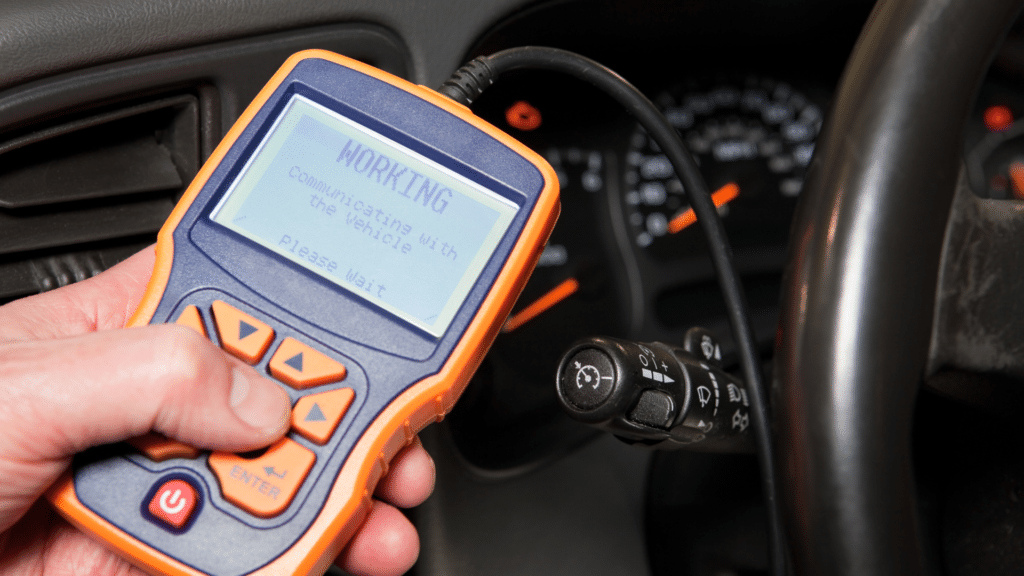
Diagnosing the P0402 fault code efficiently is crucial for resolving EGR system issues in VAG vehicles. The first step involves using a comprehensive OBD-II scanner to confirm the P0402 code. An OBD-II scanner can read the specific trouble code and provide freeze frame data, illustrating the exact conditions under which the code was set. This data is invaluable as it helps pinpoint the fault’s origin and guides the diagnostic process.
Visual Inspection Techniques for EGR System Components
Once the fault code is confirmed, a visual inspection of the entire EGR system is necessary. Start by examining the vacuum hoses, electrical connections, and wiring associated with the EGR valve, control solenoid, EGR temperature sensor, and backpressure transducer. Look for any signs of damage, disconnections, or wear that could contribute to excessive EGR flow.
Inspect the EGR valve for carbon buildup or blockages that may prevent it from functioning correctly. Often, carbon deposits can cause the EGR valve to stick open, leading to the P0402 code. Cleaning or replacing the EGR valve may be necessary depending on its condition.
Specific Testing Procedures for VAG Vehicles
Testing procedures for VAG vehicles’ EGR systems are slightly more specialized. A vacuum gauge can be used to evaluate the vacuum supply hose at around 2000 to 2500 RPM. No vacuum at normal operating temperatures indicates issues such as a loose hose, malfunctioning ported vacuum switch, or a faulty vacuum amplifier/pump.
Furthermore, the EGR valve position sensor and the EGR temperature sensor should be checked with a diagnostic scan tool, comparing the commanded and actual valve position and the EGR flow against the measured air mass. If any sensor provides readings outside the expected range, it may need replacement.
Step-by-Step Troubleshooting Guide
Inspecting the EGR Valve and Solenoid for Damage or Sticking
Begin by examining the EGR valve and solenoid actuator. The EGR valve can often suffer from carbon buildup, which can cause sticking. Ensure that the EGR valve moves freely by applying vacuum directly to it using a hand vacuum pump or a scan tool, depending on your vehicle’s EGR valve type. If the valve does not open or close properly, despite there being vacuum, the valve might be faulty or clogged with debris, necessitating thorough cleaning or replacement.
Moreover, the solenoid actuator must be checked for electrical issues. Issues such as wiring damage or short circuits can prevent it from operating effectively. Conduct a voltage test to ensure the solenoid receives the correct electrical output, consistent with your vehicle’s service manual specifications.
Reading the EGR Valve Position and Air Mass
On a modern VAG vehicle the EGR valve is electrically operated with an integrated position sensor, so it is checked with a diagnostic scan rather than a Ford-style voltage test. Read the commanded and actual EGR valve position in live data, compare EGR flow against the measured air mass, and inspect the valve wiring and connector. Vacuum testing only applies to older pre-2009 vacuum-actuated EGR, and the idle and vacuum voltage figures quoted for a DPFE are Ford values that do not apply to VW, Audi, SEAT or Skoda.
Checking EGR Passages and Coolers for Blockages
Blocked passages and coolers are common culprints for EGR system problems. Examine the EGR tube, intake manifold, and cooler for signs of blockage or buildup. Carbon deposits can restrict the flow, leading to performance issues and the P0402 fault code. It’s useful to inspect the EGR cooler by looking for symptoms of failure such as white exhaust smoke, low coolant levels with no visible leaks, and external coolant leaks. Clean or replace the affected components to restore proper flow.
This comprehensive troubleshooting guide should help identify and address the root causes of the P0402 fault code efficiently. Maintaining the EGR system in optimal condition is vital for ensuring your vehicle’s performance, compliance with emissions standards, and overall engine health.
Effective Repair Solutions
When dealing with the P0402 fault code, addressing the issue involves a combination of inspecting, cleaning, replacing, and resetting specific components within the EGR system. Here’s a detailed guide to effective repair solutions.
Cleaning vs. Replacing the EGR Valve and Related Components
The EGR valve is a common culprit behind the P0402 code, often due to carbon buildup which prevents it from operating correctly. A thorough cleaning can sometimes resolve the issue. Use an appropriate EGR valve cleaner to remove carbon deposits and ensure the valve moves freely. Check that the plunger and the seating area are spotless to restore optimal functionality. If cleaning doesn’t resolve the issue or if the valve is significantly worn, it’s best to replace it with a new part to avoid recurring problems.
Replacing Faulty Sensors and Actuators
Faulty sensors and actuators within the EGR system can also trigger the P0402 code. The EGR valve position sensor, in particular, is prone to failure. A malfunctioning sensor can misreport valve position and misread EGR flow, leading to excessive recirculation. Replacing faulty sensors can often resolve the fault code and restore normal EGR operation. Similarly, the EGR solenoid or actuator might need replacement if they are no longer functioning correctly. These components are crucial for controlling the flow of exhaust gases and ensuring the system performs as intended.
Resetting the Engine Management System
After performing repairs, reset the engine management system to clear any stored fault codes and allow the system to relearn the new conditions. This can be done through an OBD-II scanner or by a simple power reset method – turning the ignition on and off several times can force a reboot of the system. This resets the on-board diagnostics and helps ensure that the repairs take effect without old data interfering.
Addressing these points effectively will help in resolving the P0402 fault code, leading to better engine performance and compliance with emission standards. Regular maintenance will aid in preventing further issues.
DIY vs. Professional Repairs
Which Repairs Can Be Safely Attempted by Car Owners
Addressing the P0402 fault code often involves dealing with the EGR (Exhaust Gas Recirculation) system. Some repairs can be tackled by car owners with basic mechanical skills and tools, especially those relating to cleaning and inspecting components.
- Cleaning the EGR Valve: Removal and cleaning of the EGR valve can be a manageable task for the average DIY enthusiast. You’ll need basic tools like wrenches, screwdrivers, and a can of carb cleaner. Carefully remove the valve, clean it thoroughly, and ensure the pintle moves freely.
- Inspecting for Blockages: Visual inspection of the EGR passages can reveal any obvious signs of carbon buildup or debris. Using a pipe cleaner or similar tool can help clear minor blockages.
- Replacing Simple Components: Some EGR-related components, such as the EGR temperature sensor, can be replaced with minimal effort. These sensors are often easy to access and replace without specialist equipment, though the EGR valve and its integrated position sensor usually need a scan tool to reset adaptations afterwards.
When to Consult a Professional Mechanic
While some aspects of P0402-related repairs are suitable for DIY, there are scenarios when it’s best to leave the job to the professionals.
- Complex Component Access: If the EGR valve or associated components are located in hard-to-reach areas, it may require significant disassembly which is beyond the scope of basic DIY skills.
- Specialised Diagnostic Tools: Professionals have access to advanced diagnostic tools and software that can pinpoint issues with greater accuracy. They can also perform specific sensor tests that might require specialised equipment.
- Electrical and Vacuum Testing: Diagnosing faults within the electrical and vacuum systems of the EGR may require tools like multimeters or vacuum gauges, which professionals are adept at using accurately.
Specialised Tools Required for Proper Diagnosis and Repair
To effectively diagnose and repair the EGR system, certain specialised tools can be indispensable:
Understanding your limits as a DIY mechanic is crucial. While it can be satisfying and cost-effective to fix smaller issues yourself, knowing when to call a professional can save you time, avoid mistakes, and ensure the job is done to a high standard. The subsequent chapters will delve into the preventative maintenance practices to keep your EGR system functioning optimally.
- OBD-II Scanner: This tool is essential for reading and clearing fault codes, including P0402. While accessible to DIY enthusiasts, professionals often have more advanced models.
- Vacuum Gauge: Used for testing the vacuum supply to the EGR valve. A professional mechanic can interpret these readings accurately to diagnose issues.
- Multimeter: Useful for checking electrical connections and sensor outputs to ensure they meet the manufacturer’s specifications. Professionals use multimeters to ensure all electrical components function correctly.
- Carbon Cleaning Kits: These kits include specialised solvents and tools designed to efficiently remove carbon buildup from the entire EGR system.
Preventative Maintenance Tips
Routine maintenance is essential for keeping your EGR system functioning optimally and avoiding the dreaded P0402 fault code. By adopting some straightforward practices, you can prevent costly repairs and maintain your VAG vehicle’s performance and compliance with emission standards.
Regular Maintenance Practices
One of the best ways to prevent issues with your EGR system is to incorporate regular checks into your maintenance routines:
- EGR Valve Cleaning: The EGR valve plays a crucial role in recirculating exhaust gases. Regular cleaning, at least every 12 months, helps avoid carbon build-up that can cause the valve to stick open or closed. This is particularly important for vehicles frequently driven on short trips or in city traffic.
- EGR Passage Inspections: Ensure the passages through which the exhaust gases flow are inspected for blockages. A clogged passage can disrupt the EGR system’s efficiency and lead to performance issues.
- Sensor Checks: The EGR valve position sensor reports how far the valve is open, and the ECU cross-checks flow against the measured air mass. Periodic diagnostic checks can confirm these readings remain accurate, preventing erroneous fault codes.
Recommended Service Intervals
Service intervals can vary depending on your vehicle’s model and usage, but the following intervals provide a general guideline for maintaining a healthy EGR system:
- EGR Valve Cleaning: Every 30,000 miles if you do a lot of city driving, or every 50,000 miles if you’re primarily on highways.
- Full EGR System Clean-Up: Consider a comprehensive EGR system clean approximately every 80,000–100,000 miles, or sooner if your vehicle shows signs of EGR issues. This thorough cleaning should include the valve, cooler, and passages.
Early Warning Signs
Being aware of potential problems before they trigger a fault code can help you take proactive measures:
Regular attention to these maintenance tips ensures not only the longevity of your EGR system but also the overall health of your engine, keeping it running smoothly and efficiently. As we continue exploring aspects of the P0402 fault code, it’s vital to stay focused on both preventive measures and appropriate repair techniques to maintain vehicle performance.
- Rough Idling or Surges: If your engine starts running roughly or you experience surging, it may indicate the EGR valve is stuck or clogged.
- Fuel Smell or Black Smoke: A noticeable fuel odour or black smoke from the exhaust can signal EGR malfunctions.
- Decreased Performance: Reduced engine performance can be a subtle sign that your EGR system is not functioning correctly. This may be due to inefficiencies in how exhaust gases are recirculated.
Conclusion: Resolving P0402 for Better Performance
Summary of Key Points About the P0402 Fault Code
The P0402 fault code signifies “Excessive Flow in the EGR System,” which is typically due to a malfunction in the Exhaust Gas Recirculation (EGR) system. This code can originate from several issues, such as a stuck EGR valve, a faulty EGR valve position sensor, or clogged EGR components. When the EGR system does not function correctly, it results in performance issues and higher emissions, impacting the vehicle’s compliance with emission standards.
Benefits of Promptly Addressing EGR Flow Issues
Addressing EGR issues promptly has multiple benefits. Firstly, it ensures that your vehicle runs efficiently. When the EGR system is operating optimally, it helps maintain peak engine performance and fuel efficiency. Secondly, it reduces harmful nitrogen oxide (NOx) emissions, playing a crucial role in meeting environmental regulations and passing MOT tests.
Neglecting EGR issues can lead to significant engine damage over time. Excessive EGR flow can cause the engine to run hotter, leading to an increased risk of overheating and potential engine failure. Moreover, unresolved EGR problems can trigger further trouble codes and exacerbate other engine performance issues, leading to more expensive repairs down the line.
Reminder About the Importance of Regular Maintenance for VAG Vehicles
Regular maintenance is your best defence against the P0402 fault code and other potential issues. Performing routine inspections and servicing the EGR system can prevent the buildup of carbon deposits that cause components to stick or clog. For VAG vehicles, it is advisable to clean the EGR valve every 30,000 to 50,000 miles and conduct a comprehensive system clean every 80,000 to 100,000 miles. By keeping an eye out for early warning signs, such as rough idling, a noticeable fuel smell, or black smoke from the exhaust, you can address potential problems before they escalate.
Regularly scheduled maintenance, including oil changes, air filter replacements, and ensuring the proper function of sensors and vacuum hoses, is essential. By staying proactive with vehicle upkeep, you significantly reduce the risk of encountering the P0402 fault code, ensuring that your VAG vehicle performs efficiently and remains environmentally compliant.
Frequently Asked Questions about P0402
P0402 stands for ‘Exhaust Gas Recirculation Flow Excessive Detected’. It is set when the engine control unit measures more exhaust gas flowing into the intake than the calibration expects for the current operating conditions. The usual culprit is an EGR valve that is stuck partially open (often due to carbon), a valve actuator that is over-driving, or a position/pressure sensor that is reading incorrectly and telling the ECU there is too much flow.
Related fault codes
Other codes affecting the same system. A stored code often arrives alongside its neighbours.
Seeing P0402 on your VW or Audi?
A stored code tells you where to look, not what has failed. Our technicians read the live data, confirm the real cause and quote before any work begins - so you are not paying for guesswork.
Get the code read properly
Main-dealer-level diagnostics in Worthing, from the longest running garage in town. Call the workshop or book online in under a minute.