
P0130 VAG Code: Understanding O2 Sensor Circuit Malfunction and Solutions
What is the P0130 VAG Fault Code?
Understanding the Code
P0130 is an OBD-II diagnostic trouble code. It is issued when the engine control module (ECM) detects a malfunction in the oxygen sensor circuit. In Volkswagen Audi Group (VAG) vehicles, this usually relates to the sensor labelled as “Bank 1, Sensor 1”. Bank 1 refers to the side of the engine containing cylinder one on a straight or V-type engine. Sensor 1 indicates the O2 sensor placed before the catalytic converter, often called the pre-cat sensor.
The ‘Bank 1, Sensor 1’ Location
For most VAG petrol engines, Bank 1, Sensor 1 is located on the exhaust manifold or just downstream from the exhaust ports. This position allows the sensor to measure the oxygen levels in exhaust gases as they exit the engine, before they pass through the catalytic converter. In four-cylinder models, there is only one bank, while V6 or V8 engines will have two banks.
How the ECM Detects and Triggers the Fault
The ECM constantly monitors signals from the O2 sensor. It expects readings to stay within a specific voltage or current range, which corresponds to proper function. If the sensor signal drops out, fluctuates abnormally, or reads outside expected values, the ECM will recognise a circuit issue. This leads to the generation of the P0130 code. Common reasons include wiring faults, failed sensors, or disrupted connections. Once the code is detected, the check engine light will illuminate and the code is stored in the system memory, awaiting further diagnosis and action.
The Role of Oxygen Sensors in Your Vehicle
Monitoring Exhaust Gas Composition
Oxygen sensors, often called O2 sensors, are critical components found in the exhaust system of modern vehicles. Their primary function is to measure the level of oxygen in the exhaust gases. By detecting how much oxygen remains after combustion, these sensors help the engine management system understand how efficiently the engine is burning fuel. Monitoring the exhaust gas in real time allows for quick adjustments to be made for optimal performance and emissions control.
Maintaining the Air-Fuel Mixture
The information from the O2 sensors is sent to the Engine Control Unit (ECU), which uses this input to maintain the ideal air-fuel mixture. If there is too little oxygen in the exhaust, it indicates a fuel-rich mixture; the ECU will respond by reducing the amount of fuel. Conversely, if there is too much oxygen, the mixture is too lean, and the ECU increases fuel delivery. Keeping this balance at or near the optimal ratio is essential for clean combustion and engine efficiency.
Supporting Emissions Control and Engine Performance
O2 sensors are also vital for controlling emissions. The catalytic converter requires a carefully controlled air-fuel mixture to effectively turn harmful pollutants into less dangerous substances. Faulty or aging sensors can result in poor engine performance, reduced fuel economy, and increased emissions. Furthermore, good sensor performance helps the engine run smoothly and keeps the vehicle compliant with emissions regulations.
A well-functioning oxygen sensor underpins both your vehicle’s performance and its environmental impact. Recognising its vital role is essential for maintaining the health of your engine and the efficiency of your emissions system.
Common Causes of the P0130 Code
Faulty Oxygen Sensor
The most common reason for the P0130 fault is a failed oxygen (O2) sensor. Over time, O2 sensors can wear out or become contaminated by fuel additives, oil leaks, or coolant. As the sensor ages, its readings become less accurate or may fail entirely, which disrupts the feedback to the Engine Control Module (ECM). A failed sensor may deliver a constant voltage, report slow response, or provide no signal at all, prompting the ECM to flag the P0130 code.
Wiring and Circuit Issues
Electrical problems are another frequent cause. Wiring leading to the O2 sensor can become damaged due to heat, abrasion, or corrosion. Problems such as broken wires, loose connectors, burnt insulation, or corrosion at the sensor plug can break the electrical circuit or affect the signal transmission. High or fluctuating voltage at the sensor connector, often due to water ingress or worn insulation, can also cause this code to appear.
Exhaust Leaks
Exhaust leaks before the sensor, such as cracks in the exhaust manifold or leaky joints, allow extra oxygen to enter the exhaust stream. This additional oxygen does not represent actual combustion gases and can cause the O2 sensor to report inaccurate readings. The ECM interprets this as a mixture problem, leading to the P0130 code. Common points for leaks include the exhaust manifold and pipe connections.
Symptoms Associated with P0130
Warning and Indicator Lights
The first and most noticeable sign of a P0130 fault code is the illumination of the Check Engine Light (CEL) on your dashboard. This light comes on as soon as the Engine Control Module (ECM) detects an issue with the oxygen sensor circuit on Bank 1, Sensor 1. For many drivers, the CEL may be the only obvious symptom at first.
Driving Performance Issues
Beyond the warning light, problems with the oxygen sensor circuit can subtly affect the way your vehicle runs. The engine may end up running too rich or too lean, which often leads to a drop in fuel efficiency. You might find you are refuelling more often, even if your driving habits have not changed. In some cases, the engine may experience reduced power due to incorrect air-fuel mixture readings.
Idling and Engine Smoothness
Occasionally, more noticeable symptoms such as rough idling, engine hesitation, or even stalling can occur. These are less common but may happen if the sensor readings become highly erratic. Since the oxygen sensor helps your car adjust fuel delivery, inaccurate data can disrupt normal combustion, leading to uneven or unstable idling.
Can You Drive with a P0130 Code?
Short-Term Considerations
Driving your vehicle with a P0130 code is possible, and many drivers may not notice severe symptoms at first. The check engine light is often the main warning, and issues like increased fuel consumption or slight performance changes may be subtle. In the short term, your vehicle is not at immediate risk of breakdown. Most experts advise that occasional driving is acceptable, particularly if no other warning lights appear and the engine runs without misfiring or stalling. However, it is important to remember this is not a permanent solution and should not be viewed as safe for extended use.
Long-Term Risks
Ignoring the P0130 code can lead to more serious problems. A faulty oxygen sensor disrupts the engine’s ability to maintain the correct air-fuel mixture, increasing emissions and fuel consumption. Over time, running with an improper mixture can overwork the catalytic converter, eventually causing it to fail, a repair that is often expensive. Continuing to drive with this code may also mean your vehicle fails emissions testing, impacting its roadworthiness.
How Soon Should You Repair It?
Most sources recommend diagnosing and repairing the root cause within a week of the code appearing. Prompt attention helps avoid damage to costly components and reduces emissions. Acting quickly also ensures your vehicle remains efficient and legally compliant.
Diagnosing the P0130 Code
Using an OBD-II Scanner
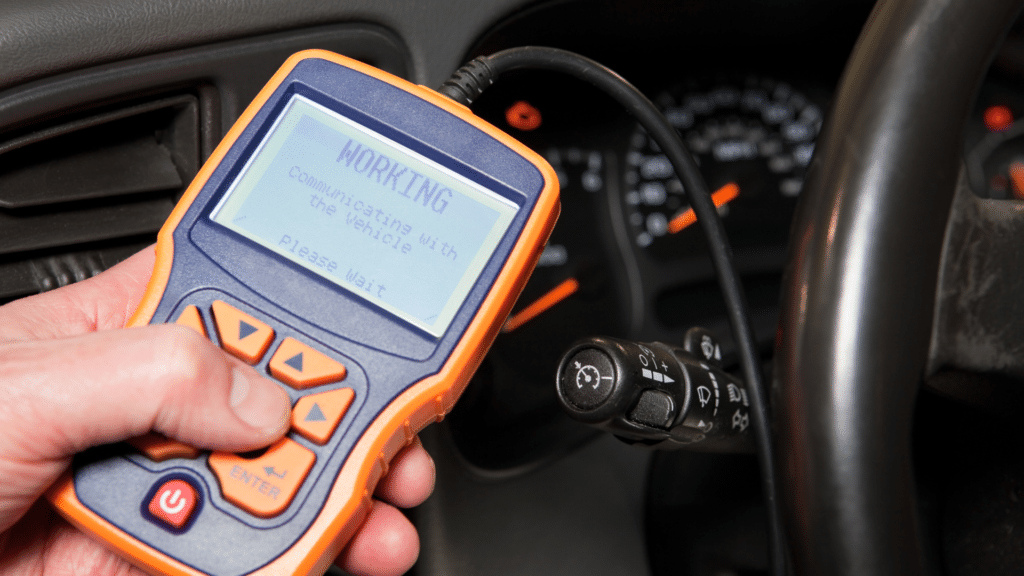
Diagnosing the P0130 code begins with connecting an OBD-II scanner to the vehicle’s diagnostic port. The scanner will confirm the presence of the P0130 code and reveal any additional, related codes that might have been stored. This creates a clear starting point for pinpointing the issue and prevents unnecessary part replacements. Recording all codes is important, as multiple faults could indicate a broader electrical or exhaust-related problem.
Visual Inspection
After confirming the code, a visual inspection is the next logical step. Begin by locating Bank 1, Sensor 1, typically found on the exhaust manifold of the engine’s first cylinder bank. Check the oxygen sensor itself for signs of damage, such as cracking or soot build-up. Examine the wiring and connectors for any fraying, exposed wires, loose connections, or corrosion. Finding visible damage at this stage can save time and often explains the fault.
Testing the Sensor Circuit
If the visual inspection does not reveal any issues, testing the sensor circuit with a multimeter helps identify electrical faults. With the sensor harness disconnected, measure the voltage and resistance as specified in your vehicle’s manual. Anomalous readings indicate a wiring fault or a failing sensor. If the circuit checks out but the code remains, the oxygen sensor itself is likely at fault and may need replacement.
DIY Solutions for P0130
Method A: Repairing Exhaust Leaks
Addressing exhaust leaks is a fundamental step before replacing parts, as leaks can skew oxygen sensor readings. Start by locating the source of the leak around joints or the manifold. Prepare the area by removing rust and debris, which ensures a proper seal. If the gasket is damaged, replacing it is necessary. For minor leaks, epoxy bonds or high-temperature exhaust tape can serve as temporary fixes until a permanent repair is possible. Always check for safety and proper sealing after repairs are complete.
Method B: Addressing Wiring Issues
Wiring faults, such as frayed wires, loose connections, or signs of corrosion, are common with oxygen sensor circuits. Begin with a careful visual inspection of the wiring harness connected to Bank 1, Sensor 1. If you spot damage, use appropriate electrical tools to repair or replace the section. Ensure connectors are secure and free from moisture, as proper electrical continuity is crucial for accurate sensor performance.
Method C: Replacing the Oxygen Sensor
If the sensor has reached the end of its service life, replacement is straightforward. Locate the faulty sensor in the exhaust manifold or downpipe before the catalytic converter. Carefully unplug the electrical connector and use an O2 sensor socket to remove the sensor. Install the new sensor, ensuring it matches the original specification, then reconnect the wiring and clear the fault code with an OBD-II scanner.
Accurate DIY solutions often remedy P0130 and help restore your vehicle’s efficiency and emissions performance. Prompt attention to these tasks supports long-term reliability.
Professional Repair Options
Seeking the assistance of a professional mechanic becomes essential when addressing a P0130 fault code, especially if DIY methods have not resolved the issue or if electrical faults are suspected. Professional mechanics have access to advanced diagnostic tools that can accurately read and interpret fault codes stored in the Engine Control Module, which ensures precise identification of the problem. These tools, often unavailable to the average owner, make it easier to distinguish between a faulty sensor, wiring faults, or issues elsewhere in the electrical system.
Complex electrical repairs, such as those involving intricate wiring harnesses or the need to reset vehicle computers, require specialised knowledge and equipment. Attempting these repairs without expertise can risk both vehicle damage and personal safety. Professional mechanics and auto electricians understand manufacturer specifications and employ proven methods, which help maintain vehicle warranties and avoid unnecessary part replacements.
Another advantage of using a professional is the guarantee of quality replacement parts and proper installation. Experienced technicians can also ensure the sensor’s calibration and test the system after repairs, leading to a proper resolution of the code.
Choosing professional repair gives confidence in a lasting solution and protects the investment in your vehicle. Addressing such issues promptly with expert help prevents prolonged driveability and emissions problems, ensuring everything operates as intended before moving forward with regular maintenance.
Preventing Future O2 Sensor Issues
Regular Maintenance Practices
Maintaining your vehicle’s oxygen sensors is vital for reliable performance and emissions control. Following the recommended service intervals for your VAG vehicle is the best way to prevent early sensor failure. Schedule periodic inspections during routine servicing to ensure that sensors and related wiring remain clean and free from contamination or corrosion. Simple steps, such as checking connectors and harnesses for signs of wear, can reduce the risk of electrical issues in the future.
Responding to Warning Lights
It is important to address Check Engine Lights (CEL) as soon as they appear. Early intervention can prevent minor issues from escalating into more serious component failures. Using an OBD-II scanner when the CEL illuminates helps detect problems before they affect other engine systems. Ignoring warning lights can result in poor fuel efficiency and, over time, damage costly parts such as the catalytic converter.
Reducing Risk of Sensor Damage
Certain driving habits and conditions can accelerate oxygen sensor wear. Avoid running the engine with a known misfire, as unburnt fuel can coat the sensor and reduce its sensitivity. Similarly, repair any exhaust leaks promptly to ensure that the sensor receives accurate readings. Ensuring you use high-quality fuel and oil also contributes to a longer sensor lifespan, as contaminants can impair sensor function over time.
Conclusion: The Impact of Resolving P0130
Improved Efficiency and Emissions
Resolving the P0130 fault code brings clear benefits to your vehicle’s performance and environmental impact. A correctly functioning oxygen sensor ensures that the engine maintains the ideal air-fuel mixture. This leads to more consistent fuel economy, preventing unnecessary fuel waste and saving money at the pump. Efficient combustion also means the catalytic converter can operate as intended, effectively reducing harmful emissions and helping your vehicle remain compliant with regulatory standards.
Accurate Diagnosis Matters
Before replacing any parts, it is important to perform a thorough diagnosis. Jumping straight to component replacement can result in unnecessary costs if the issue lies elsewhere, such as a wiring fault or exhaust leak. Using proper diagnostic tools and methods helps pinpoint the cause, making repairs more effective and reducing the risk of repeated issues.
Key Points to Remember
In short, the P0130 code is a signal of oxygen sensor circuit problems, typically at bank 1, sensor 1. Addressing it early prevents performance loss, protects your emissions system, and typically avoids costly repairs down the line. Keeping up with scheduled maintenance, inspecting for warning lights, and responding quickly to faults all contribute to the long-term health of your VAG vehicle.
Frequently Asked Questions about P0130
P0130 is an OBD-II fault code meaning ‘O2 Sensor Circuit Malfunction, Bank 1 Sensor 1’. Bank 1 is the side of the engine with cylinder one and Sensor 1 is the upstream lambda sensor, fitted before the catalytic converter. The engine control unit has decided the voltage signal it is reading from that sensor is outside the expected range or is not switching as it should, which means it cannot trim the air-fuel mixture properly.
Related fault codes
Other codes affecting the same system. A stored code often arrives alongside its neighbours.
Seeing P0130 on your VW or Audi?
A stored code tells you where to look, not what has failed. Our technicians read the live data, confirm the real cause and quote before any work begins - so you are not paying for guesswork.
Get the code read properly
Main-dealer-level diagnostics in Worthing, from the longest running garage in town. Call the workshop or book online in under a minute.