
Understanding the P0133 VAG Fault Code: A Comprehensive Guide
When it comes to maintaining the performance and emissions standards of your vehicle, understanding fault codes is crucial. Among these codes, the P0133 VAG Fault Code is a common issue faced by owners of VAG Group vehicles, which include popular brands like Volkswagen, Audi, SEAT, and Škoda. This blog aims to provide a detailed exploration of the P0133 fault code, focusing on its significance, symptoms, causes, diagnostic procedures, repair solutions, and preventive measures. By the end of this article, you will have a thorough understanding of the P0133 fault code and how to address it effectively.
Understanding the P0133 VAG Fault Code
What Is the P0133 Fault Code?
The P0133 VAG Fault Code specifically relates to the oxygen sensor’s performance, indicating that the sensor’s response time is slower than expected. This fault code is part of the OBD-II (On-Board Diagnostics II) system and is particularly relevant to VAG vehicles. The oxygen sensor plays a critical role in monitoring the amount of oxygen in the exhaust gases, which is vital for maintaining optimal fuel efficiency and emissions control.
Relevance to VAG Group Vehicles
VAG Group vehicles, including brands like Volkswagen, Audi, SEAT, and Škoda, often share similar engine management systems and components. As a result, the P0133 fault code can manifest in various models, affecting their performance and compliance with emissions standards. Understanding this fault code is essential for owners and automotive professionals to ensure that these vehicles operate efficiently and within legal parameters.
The Role of the Oxygen Sensor
The oxygen sensor (O2 sensor) is a critical component in a vehicle’s exhaust system, responsible for measuring the level of oxygen present in the exhaust gases. This information is sent to the engine control unit (ECU), which adjusts the air-fuel mixture for optimal combustion. A properly functioning oxygen sensor ensures that your vehicle runs efficiently, reducing emissions and improving fuel economy. When the P0133 fault code is triggered, it indicates that the O2 sensor is not performing as it should, which can lead to various performance issues.
Common Symptoms Associated with P0133
Recognising the symptoms associated with the P0133 fault code is crucial for timely intervention. Here are the typical signs that may indicate the presence of this fault code:
1. Check Engine Light Activation
One of the first indicators of a P0133 fault code is the illumination of the Check Engine Light on the dashboard. This warning light serves as a prompt for drivers to investigate any potential issues with their vehicle.
2. Decreased Fuel Efficiency
Drivers may notice a significant drop in fuel efficiency as the engine struggles to adjust the air-fuel mixture correctly. This can lead to increased fuel consumption, costing drivers more at the pump.
3. Engine Performance Issues
A faulty oxygen sensor can lead to various engine performance problems, including hesitation during acceleration, rough idling, or stalling. These symptoms may be particularly noticeable during high-load conditions, such as climbing hills or carrying heavy loads.
4. Emissions Test Failure
Another critical consequence of a P0133 fault code is the potential failure of emissions tests. Vehicles equipped with a malfunctioning oxygen sensor may not meet regulatory standards, resulting in costly repairs and fines.
Real-World Examples
For instance, a driver of a Volkswagen Golf may experience sudden stalling while driving in traffic, accompanied by a decrease in fuel efficiency. Upon scanning the vehicle’s OBD-II system, the P0133 fault code is retrieved, indicating that the oxygen sensor is not functioning optimally.
Causes of the P0133 Fault Code
Several factors can lead to the triggering of the P0133 fault code. Understanding these causes is essential for effective diagnosis and repair:
1. Faulty Oxygen Sensor
The most common cause of a P0133 fault code is a faulty oxygen sensor itself. This can occur due to:
- Heating Element Failure: The oxygen sensor has a built-in heating element to bring it up to operating temperature quickly. If this element fails, it can cause a slow response time.
- Signal Issues: A damaged sensor may fail to generate a proper voltage signal, leading to inaccurate readings.
2. Wiring and Connector Problems
Corrosion, frayed wires, or loose connectors can disrupt the signal sent from the oxygen sensor to the ECU. This can lead to delayed responses and trigger the P0133 fault code.
3. Exhaust Leaks
Exhaust leaks can affect the oxygen sensor’s readings by introducing excess oxygen into the exhaust stream. This can lead to inaccurate feedback to the ECU and result in improper fuel mixture adjustments.
4. Engine Performance Issues
Problems with the engine’s performance, such as an incorrect fuel mixture or combustion issues, can also trigger the P0133 fault code. For example, a blocked fuel injector may lead to a rich fuel mixture, causing the oxygen sensor to respond incorrectly.
In-Depth Explanation of Each Cause
Each of these causes is interconnected, making it essential to perform a thorough diagnostic check to pinpoint the exact issue. For instance, a VAG vehicle experiencing poor fuel efficiency may not only have a faulty O2 sensor but could also be suffering from an exhaust leak that exacerbates the problem.
Diagnostic Procedures for P0133
Diagnosing the P0133 fault code involves a systematic approach to ensure accurate identification of the underlying issue. Here’s a step-by-step guide:
1. Initial OBD-II Scan
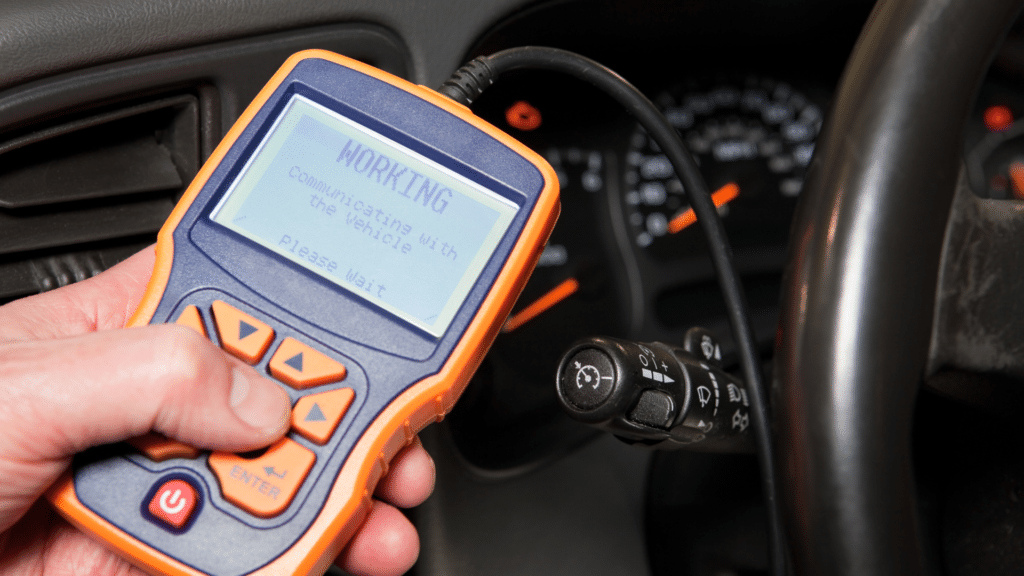
Begin by using an OBD-II scanner to retrieve the fault codes stored in the vehicle’s ECU. This step will confirm the presence of the P0133 code and any additional codes that may provide further context.
2. Check Live Data
Using the scanner, check the live data from the oxygen sensor. This data will provide insights into the sensor’s performance, including voltage readings and response times. A healthy O2 sensor should show rapid fluctuations in voltage as the engine load changes.
3. Visual Inspection
Perform a thorough visual inspection of the oxygen sensor wiring and connectors. Look for signs of corrosion, fraying, or loose connections that could impact the sensor’s functionality.
4. Exhaust System Check
Inspect the exhaust system for any leaks or damage. Leaks can introduce air into the exhaust stream, leading to incorrect readings from the oxygen sensor.
5. Functional Testing of the O2 Sensor
If the sensor appears to be functioning poorly, conduct a functional test by disconnecting the O2 sensor and observing changes in engine performance. If the engine runs significantly better without the sensor, it may indicate a faulty component.
6. Addressing Additional Codes
If other fault codes are present, address them in conjunction with the P0133 fault code. For example, if a code for a misfire is present, resolve that issue before replacing the oxygen sensor.
Repair Solutions for P0133
Once the P0133 fault code is confirmed, several repair solutions can be implemented:
1. Replacing the Oxygen Sensor
If diagnostics confirm that the oxygen sensor is faulty, replacement is typically the most direct solution. VAG Group vehicles often use specific O2 sensors, so sourcing the correct part is essential. Ensure that the new sensor matches the specifications of the original equipment manufacturer (OEM).
2. Addressing Wiring and Connector Issues
If wiring or connectors are damaged, repair or replace them as necessary. Ensure that all connections are secure and free from corrosion to restore proper communication between the sensor and the ECU.
3. Repairing Exhaust Leaks
If an exhaust leak is identified, it should be repaired promptly. Leaks can not only affect sensor readings but also contribute to increased emissions and reduced vehicle performance.
4. Resolving Engine Performance Problems
Any underlying engine performance issues must be addressed to prevent the P0133 fault code from reappearing. This may involve cleaning fuel injectors, replacing air filters, or adjusting the fuel mixture.
Cost Implications
In the UK, the cost of replacing an oxygen sensor varies depending on the vehicle make and model, as well as the labour involved. We confirm the exact fault first and quote before any work begins, so there are no surprises when addressing the P0133 fault code.
Preventive Measures and Maintenance
Preventing the occurrence of the P0133 fault code is largely achievable through regular maintenance and monitoring. Here are some key strategies:
1. Routine Checks on the O2 Sensor
Regularly inspect the oxygen sensor for signs of wear or damage. This includes checking wiring and connectors for corrosion or fraying.
2. Exhaust System Maintenance
Perform routine maintenance on the exhaust system to identify and repair leaks promptly. This can help ensure accurate readings from the oxygen sensor.
3. Using High-Quality Fuel
Using high-quality fuel can significantly impact the performance and longevity of the oxygen sensor. Low-quality fuel may lead to deposits that can clog the sensor and reduce its effectiveness.
4. Regular Engine Diagnostics
Schedule regular vehicle diagnostics to monitor the performance of the engine and its components. Early detection of issues can prevent more significant problems from developing.
Conclusion
The P0133 VAG Fault Code is a critical indicator of oxygen sensor performance issues, specifically within VAG Group vehicles. Understanding this fault code and its implications is essential for vehicle owners, automotive enthusiasts, and professionals in the automotive repair industry. By recognising the symptoms, causes, diagnostic procedures, and repair solutions associated with the P0133 code, you can ensure your vehicle operates efficiently and remains compliant with emissions standards.
If you encounter symptoms associated with the P0133 fault code, it is crucial to seek professional assistance promptly. Addressing these issues early can save you time and money while ensuring your vehicle remains reliable on the road.
Frequently Asked Questions about P0133
P0133 is an OBD-II fault code meaning ‘O2 Sensor Circuit Slow Response, Bank 1 Sensor 1’. The upstream lambda sensor on the bank with cylinder one is still working but is switching between rich and lean readings more slowly than the ECU expects. A healthy sensor at part throttle should switch several times per second; a lazy one drifts and delays, which causes inaccurate fuel trim.
Related fault codes
Other codes affecting the same system. A stored code often arrives alongside its neighbours.
Seeing P0133 on your VW or Audi?
A stored code tells you where to look, not what has failed. Our technicians read the live data, confirm the real cause and quote before any work begins - so you are not paying for guesswork.
Get the code read properly
Main-dealer-level diagnostics in Worthing, from the longest running garage in town. Call the workshop or book online in under a minute.