
Understanding the P0132 VAG Fault Code: Causes, Symptoms, and Solutions
Introduction
The P0132 VAG fault code is an important diagnostic trouble code (DTC) that vehicle owners, particularly those with VAG (Volkswagen Audi Group) vehicles, should be aware of. This code indicates a specific issue related to the oxygen sensor, which plays a critical role in maintaining optimal engine performance and emissions control. Understanding this fault code is not only crucial for maintaining vehicle efficiency but also for ensuring compliance with emission regulations.
In this comprehensive guide, we will explore the P0132 fault code, its implications, and how it affects your vehicle. By the end of this article, you will gain insight into the causes of this code, the symptoms it may present, and the solutions available to rectify the issue. Whether you are a vehicle owner or an automotive professional, this information will equip you with the knowledge needed to diagnose and address the P0132 fault code effectively.
What is the P0132 Fault Code?
The P0132 fault code specifically refers to an “Oxygen Sensor Circuit High Voltage” condition. This code is generated when the Engine Control Unit (ECU) detects a voltage signal from the oxygen sensor that exceeds the expected range, indicating that the sensor may be malfunctioning or that there may be an issue with the circuit itself.
The Role of the Oxygen Sensor
Oxygen sensors are vital components of a vehicle’s emissions and fuel management systems. They monitor the levels of oxygen in the exhaust gases and send this information to the ECU. The ECU uses this data to adjust the air-fuel mixture, ensuring optimal combustion and minimising harmful emissions. By maintaining the correct air-fuel ratio, the oxygen sensor helps improve engine performance, enhances fuel efficiency, and ensures compliance with stringent emissions regulations.
When the P0132 code is triggered, it suggests that there is a problem with the oxygen sensor’s ability to accurately monitor the exhaust gases. This can lead to a range of issues, including poor fuel economy, increased emissions, and potentially serious engine damage if left unaddressed.
Symptoms of the P0132 Fault Code
Identifying the symptoms associated with the P0132 fault code is crucial for timely diagnosis and repair. Here are some common symptoms that may indicate the presence of this fault code:
1. Check Engine Light Illumination
One of the most evident signs of the P0132 fault code is the illumination of the check engine light on the dashboard. This warning light serves as an essential indicator that the vehicle’s onboard diagnostics have detected an issue that requires attention.
2. Poor Fuel Economy
Owners may notice a significant decline in fuel efficiency due to an incorrect air-fuel mixture resulting from the faulty oxygen sensor. If you find yourself visiting the petrol station more frequently than usual, it could be a sign that your vehicle is struggling with this fault code.
3. Rough Idling
A malfunctioning oxygen sensor can cause the engine to run poorly, leading to rough idling. This symptom can manifest as an erratic engine speed or vibrations when the vehicle is stationary.
4. Increased Emissions
Vehicles with a P0132 fault code are likely to produce higher levels of harmful emissions. This not only poses a risk to the environment but may also lead to failing emissions tests, which are a requirement in many regions, including the UK.
5. Hesitation or Stalling
Drivers may experience hesitation during acceleration or even stalling under certain conditions. This can be particularly frustrating, especially in heavy traffic or while trying to merge onto a busy road.
Practical Example
Imagine driving your Volkswagen Golf when suddenly the check engine light illuminates. Upon noticing a drop in fuel efficiency and experiencing rough idling at traffic lights, you realise it’s time to investigate further. These symptoms are typical of a vehicle encountering the P0132 fault code, and addressing the issue promptly can save you from more significant problems down the line.
Causes of the P0132 Fault Code
Understanding the potential causes of the P0132 fault code is essential for effective diagnosis and repair. Here are some common factors that can lead to this fault code being triggered:
1. Faulty Oxygen Sensor
The most direct cause of the P0132 code is a malfunctioning or damaged oxygen sensor. Over time, oxygen sensors can degrade due to heat, contamination, or mechanical wear. When the sensor fails to provide accurate voltage readings, it can result in high voltage signals sent to the ECU.
2. Wiring or Connector Issues
Damaged wiring or poor connections can lead to high voltage signals being transmitted, which may trigger the P0132 code. Inspecting the wiring harness and connectors for signs of fraying, corrosion, or disconnection is vital.
3. Signal Shorted to Voltage or a Rich Mixture
P0132 is a high-voltage reading on the upstream sensor, so the usual causes are a signal wire shorted to a voltage or reference feed, a sensor that has failed reading high, or a genuinely rich mixture from a leaking injector, high fuel pressure or a MAF that is under-reading. An exhaust leak does the opposite, adding oxygen and leaning the reading, so it points to a low-voltage code such as P0131, not P0132.
4. ECU Issues
While less common, problems with the engine control unit (ECU) can also lead to misinterpretation of sensor data. If the ECU is not functioning correctly, it may incorrectly register the oxygen sensor’s performance.
5. Environmental Factors
In the UK, environmental conditions such as humidity and temperature can also impact the performance of electrical components, including the oxygen sensor. Corrosion due to moisture exposure can lead to faulty readings and trigger the P0132 fault code.
Diagnosing the P0132 Fault Code
To effectively diagnose the P0132 code, vehicle owners and automotive professionals can follow these steps:
1. Using an OBD-II Scanner
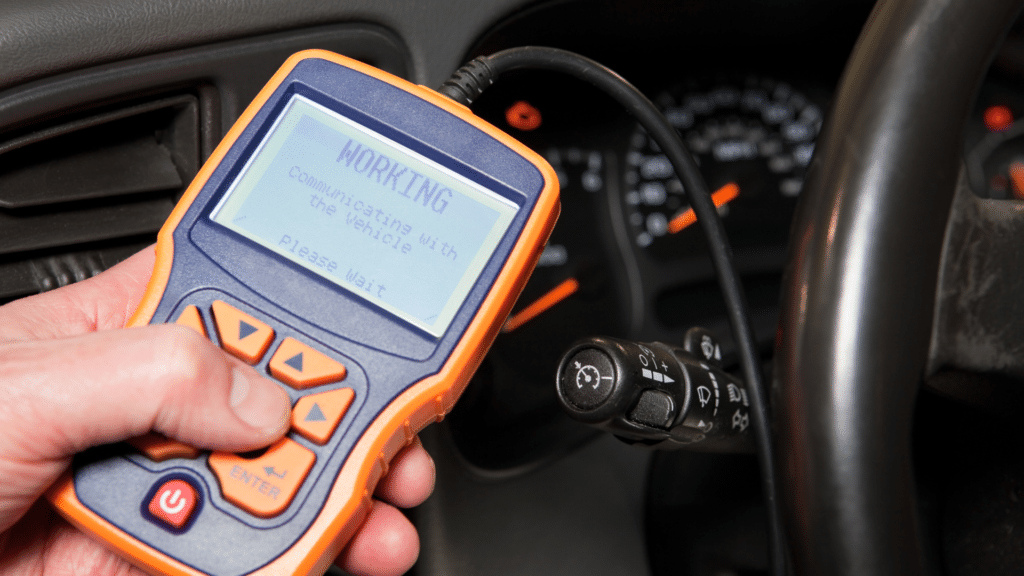
The first step in diagnosing the P0132 fault code is to connect an OBD-II scanner to the vehicle’s diagnostic port. This device allows you to read the fault code and any associated codes that may provide additional context.
2. Interpreting Diagnostic Data
Once the fault code is retrieved, it’s essential to examine any freeze frame data and live data from the oxygen sensor. Freeze frame data captures the vehicle’s operating conditions at the time the fault occurred, while live data provides real-time information on the sensor’s performance.
3. Visual Inspection
Conduct a thorough visual inspection of the oxygen sensor, wiring, and connectors. Look for signs of physical damage, corrosion, or loose connections. This step is crucial, as many issues can be resolved by simply repairing or replacing damaged components.
4. Functional Tests
Perform functional tests on the oxygen sensor to assess its response to changes in exhaust conditions. This may involve simulating different conditions while monitoring the sensor’s voltage output. A properly functioning oxygen sensor should exhibit a responsive voltage signal that corresponds with changes in the air-fuel mixture.
5. Additional Diagnostic Steps
If the P0132 fault code persists after inspecting and testing the oxygen sensor, consider checking the sensor wiring and connector for a short to voltage, and assessing the ECU’s performance. Conducting a comprehensive diagnostic check ensures that all potential issues are addressed.
Solutions and Repairs for the P0132 Fault Code
Once the P0132 fault code has been diagnosed, it’s time to explore the appropriate repair options. Here are several solutions to consider:
1. Replacing the Oxygen Sensor
If the oxygen sensor is found to be faulty, replacing it with a new component is often the best solution. When selecting an oxygen sensor for VAG vehicles, it’s advisable to use OEM (Original Equipment Manufacturer) parts to ensure compatibility and reliability.
2. Repairing Wiring or Connectors
If damaged wiring or connectors are identified during the inspection, repairing or replacing these components is essential. Ensure that any repairs are conducted using high-quality materials to prevent future issues.
3. Checking the Signal Circuit and Mixture
If the signal is stuck high, inspect the sensor wiring and connector for a short to voltage or bridged pins, and confirm the sensor is not internally biased high. If the circuit is sound, look for a genuine rich-running cause such as a leaking injector, excess fuel pressure or a MAF reading low before replacing the sensor.
4. Software Updates
In some cases, the manufacturer may release software updates that resolve compatibility issues affecting sensor performance. Checking for available updates can be an essential step in troubleshooting the P0132 fault code.
5. Conducting a Thorough Diagnostic Check
After completing any repairs, it’s vital to conduct a thorough diagnostic check to ensure that the fault code has been resolved. Clear the fault code from the ECU and take the vehicle for a test drive to confirm that the check engine light does not re-illuminate.
Conclusion
The P0132 VAG fault code represents a significant issue related to the oxygen sensor, impacting vehicle performance and emissions. Understanding the causes, symptoms, and solutions associated with this fault code is crucial for vehicle owners and automotive professionals alike.
Timely diagnosis and repair are essential to maintaining optimal vehicle performance and ensuring compliance with emissions standards. If you encounter the P0132 fault code, do not hesitate to seek professional help when needed. Staying proactive with your vehicle maintenance can prevent similar issues in the future and enhance your driving experience.
If you suspect that your VAG vehicle may be experiencing issues related to the P0132 fault code, take action today. Invest in a quality OBD-II scanner, conduct a thorough inspection, and, when in doubt, consult an automotive professional to ensure your vehicle remains in top condition.
Frequently Asked Questions about P0132
P0132 is an OBD-II fault code meaning ‘O2 Sensor Circuit High Voltage, Bank 1 Sensor 1’. The upstream lambda sensor on the bank with cylinder one is reporting a voltage stuck above the expected range for too long. That usually means either the engine is genuinely running rich, the signal wire has shorted to a power source, or the sensor has internally failed in a way that biases its output high.
Related fault codes
Other codes affecting the same system. A stored code often arrives alongside its neighbours.
Seeing P0132 on your VW or Audi?
A stored code tells you where to look, not what has failed. Our technicians read the live data, confirm the real cause and quote before any work begins - so you are not paying for guesswork.
Get the code read properly
Main-dealer-level diagnostics in Worthing, from the longest running garage in town. Call the workshop or book online in under a minute.