
P0131 VAG Code: Complete Guide to O2 Sensor Low Voltage Issues
Understanding the P0131 VAG Fault Code
What the Code Means
The P0131 code signals an issue with the oxygen sensor circuit in your vehicle, specifically “O2 Sensor Circuit Low Voltage Bank 1 Sensor 1.” In practical terms, it means the engine control module (ECM) has noticed that the upstream oxygen sensor on Bank 1 is producing a voltage lower than expected for a sustained period. Bank 1 refers to the side of the engine that contains cylinder number 1, and Sensor 1 is placed before the catalytic converter, measuring exhaust gases as soon as they exit the engine.
The Role of Oxygen Sensors
Oxygen sensors play a critical part in maintaining the correct air to fuel ratio. As fuel burns, these sensors check the proportion of oxygen left in the exhaust. Their data allows the ECM to adjust fuel delivery, ensuring the engine operates efficiently and reduces emissions. If this data is off, the engine can run too rich (too much fuel) or too lean (too much air), leading to performance problems and higher pollution levels.
P0131 Impact on Volkswagen, Audi, and VAG Group Vehicles
When the P0131 code appears on Volkswagen, Audi, or other VAG group models, it generally signals that the air/fuel mixture regulation is at risk. An incorrect sensor reading can mean fuel is not being managed properly, leading to reduced fuel efficiency, higher emissions, and even engine performance issues. Prolonged operation with this fault can eventually harm vital engine components, including the catalytic converter. For these vehicles, addressing the P0131 code promptly helps avoid increased repair costs, poor drivability, and failing emission tests.
How Oxygen Sensors Work
Basic Function in the Exhaust System
Oxygen sensors are critical components that help to regulate the engine’s fuel mixture for optimum combustion and emissions control. Positioned within the exhaust stream, they monitor the level of oxygen in the gases exiting the combustion chamber. By measuring the difference in oxygen content between the exhaust gases and the outside air, the sensor produces an electrical signal. This output gives a real time indication of whether the engine is running with a lean (too much air) or rich (too much fuel) mixture.
Understanding Voltage Ranges
The electrical signal from a properly functioning O2 sensor rapidly moves between 0.1V and 1.0V. A voltage near 0.1V signals excess oxygen in the exhaust, showing a lean mixture. On the other hand, a voltage closer to 1.0V reveals a rich mixture, where fuel is in excess and there is little oxygen present. A perfectly balanced air fuel ratio, often referred to as stoichiometric, typically registers close to 0.45V.
Role of the ECU in Fuel Adjustment
The engine control unit (ECU) relies on data from the oxygen sensor to tune the amount of fuel injected into the engine. During closed loop operation, the ECU constantly reads the voltage from the O2 sensor. If the sensor indicates a lean condition (low voltage), the ECU will increase fuel delivery. Conversely, a rich signal (high voltage) prompts the ECU to decrease fuel supply. This feedback loop ensures efficient combustion, lower emissions, and optimal engine performance.
A sound understanding of how oxygen sensors work lays the foundation for diagnosing faults such as the P0131 code. This knowledge is also key to recognising the underlying causes when performance issues arise.
Common Causes of the P0131 Code
Oxygen Sensor Failure
The most frequent cause of the P0131 code is a malfunction in the oxygen sensor located at Bank 1, Sensor 1. Over time, these sensors can degrade due to age, exposure to high heat, or contamination by fuel or coolant leaks. A failing sensor does not accurately detect oxygen levels in the exhaust, causing the engine control unit to receive a consistently low voltage reading. This leads the ECU to make incorrect adjustments to the air fuel mixture, reducing engine efficiency.
Wiring and Connector Issues
Electrical faults are another significant trigger for the P0131 code. Damaged, corroded, or disconnected wiring and connectors in the oxygen sensor circuit can interrupt sensor signals, resulting in low voltage readings. High resistance developed from corrosion or loose connections can further lower signal quality, leading to error detection by the ECU. Physical inspection often reveals frayed wires, broken insulation, or visible corrosion at connector points, all of which can prevent the proper flow of voltage to or from the sensor.
Exhaust Leaks Near the Sensor
Leaks in the exhaust system near the Bank 1, Sensor 1 position can introduce excess air into the exhaust gases before they reach the oxygen sensor. This additional oxygen results in false lean readings, tricking the ECU into thinking the mixture is lean and generating a low voltage output from the sensor. Exhaust manifold cracks or damaged gaskets commonly cause such leaks, and these should be addressed to ensure accurate sensor performance.
Understanding these causes provides a strong foundation for correctly identifying and resolving the P0131 issue, which is essential for restoring engine efficiency and emission control in VAG vehicles.
Symptoms of a P0131 Code
Primary Indicators
The most immediate sign of a P0131 trouble code is the illumination of the check engine light on your dashboard. This warning is triggered when the engine control unit detects a consistently low voltage signal from the oxygen sensor at Bank 1, Sensor 1. The check engine light may appear without any noticeable changes in performance at first, but it should never be ignored, as it marks the beginning of underlying issues that can escalate if left unaddressed.
Impact on Fuel Economy
One of the key consequences of a malfunctioning oxygen sensor is a reduction in fuel efficiency. When the sensor returns inaccurate low voltage readings, the engine adjusts its air fuel mixture incorrectly. Typically, this can lead to the engine running too rich or too lean. In either scenario, the car uses more fuel than necessary, resulting in increased fuel consumption and higher running costs. Over time, such inefficiency can be significant and affect the overall operating expense.
Engine Performance Issues
Apart from fuel consumption, a P0131 fault can impact how smoothly your car runs. Drivers may notice rough idling, where the engine runs unevenly or shakes at standstill. Hesitation during acceleration is also common, making the car feel sluggish or slow to respond. In some cases, the problem can escalate to stalling, where the engine stops unexpectedly, or make starting the engine more difficult. When left unresolved, these problems can lead to additional strain on engine components and eventually cause more severe mechanical failures.
Prompt recognition of these symptoms is crucial for mitigating potential damage and maintaining vehicle safety and efficiency. Proper diagnosis is the next critical step to pinpoint the root cause of the fault.
Diagnosing the P0131 Code
Using Diagnostic Tools to Confirm the Issue
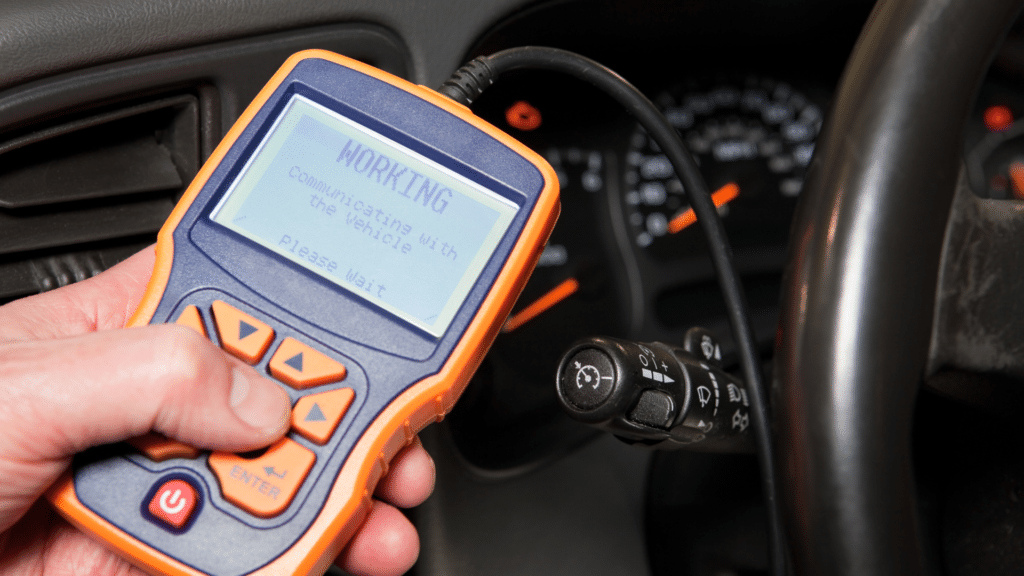
The first step in addressing a P0131 code is connecting an OBD-II scanner to your vehicle. This scanner will confirm the presence of the P0131 code and can reveal if there are related codes that might influence the diagnosis. For Bank 1, Sensor 1, identifying other codes can help detect associated problems, like fuel system or sensor heater faults, which could affect your troubleshooting process. Scanning also provides live sensor data, offering a snapshot of the sensor’s current performance.
Visual Inspection of the Sensor and Wiring
After confirming the code, conduct a careful visual inspection. Look for visible damage, corrosion, or loose connections around the Bank 1, Sensor 1 oxygen sensor and its wiring harness. It’s important to check that the sensor is properly connected and that the wiring is not frayed or contaminated by oil, dirt, or coolant. Any signs of damage or poor connection can cause the low voltage readings that trigger the P0131 code.
Measuring Sensor Voltage Output
Testing the sensor’s voltage output is a crucial next step. Using a multimeter or dedicated sensor tester, measure the voltage on the signal wire with the engine running. A healthy oxygen sensor will typically fluctuate between 0.1 and 1.0 volts during normal operation. If the reading remains consistently low, around 0.1 volts or below, the sensor, its wiring, or an influencing condition such as an exhaust leak may be at fault.
Effective diagnosis reduces unnecessary sensor replacement and ensures underlying electrical or exhaust issues are not missed. A careful, methodical approach to these steps will provide a clear path to resolving the fault.
Fixing the P0131 Code
Replacing the Faulty Oxygen Sensor
When a Bank 1, Sensor 1 oxygen sensor is diagnosed as faulty, replacement is often the most effective solution. Start by locating the sensor, typically positioned upstream of the catalytic converter on the side of the engine with cylinder one. Safety is key, disconnect the negative battery cable to avoid electrical hazards.
Next, disengage the electrical connector on the sensor, then apply penetrating lubricant if the sensor appears corroded or hard to remove. Using an oxygen sensor socket and a ratchet, unscrew the old sensor and fit the new one. Ensure the new sensor is tightened to the manufacturer’s torque specification for a proper seal.
Once installed, reconnect its electrical plug and the battery, then clear the fault code using a diagnostic scan tool.
Repairing Wiring and Connectors
Sensor circuit issues may also cause the P0131 code. Start with a careful visual check of the wiring and connectors. Look for signs of abrasion, corrosion, or disconnected plugs. Damaged wires can often be spliced and insulated using automotive grade connectors. If a connector is corroded or broken, replacing the connector is recommended for long term reliability.
Addressing Exhaust Leaks
Exhaust leaks near the sensor can lead to incorrect readings. Start the engine and listen for a hissing or rumbling sound around the exhaust manifold, these noises often signal leaks. Professional exhaust repairs may be necessary, especially if leaks affect sensor accuracy or release gases into the cabin.
Completing these repairs will often clear the P0131 code, improving both efficiency and drivability. Once all interventions are in place, ensure the engine’s performance has stabilised before returning to regular use.
Can You Drive with a P0131 Code?
Short Term Considerations
If your vehicle displays a P0131 fault code, you may be able to drive for a short period without noticeable issues. In most cases, the car remains operational, and you might only see the check engine light illuminated. However, this is not a permanent solution. The underlying issue, a low voltage signal from the oxygen sensor, means your engine management system cannot correctly adjust the air fuel mixture. This leads to less efficient combustion and an increase in emissions and fuel use.
Long Term Risks
Driving with a P0131 code over an extended period can worsen engine performance and reliability. An incorrect air fuel ratio often causes the engine to run “lean,” meaning there is too much air and not enough fuel. This can result in:
Most importantly, persistent driving with an unresolved oxygen sensor fault increases the stress on your engine’s catalytic converter. Over time, unburnt fuel can enter the exhaust system, leading to the catalyst overheating or failing. Replacing a catalytic converter is significantly more expensive than repairing an oxygen sensor issue.
- Poor fuel economy and more frequent trips to the petrol station.
- Hesitation, stalling, or rough idling
- Difficulty passing emissions tests
- Potential engine misfire or even damage over time
Conclusion: The Importance of Addressing P0131 Promptly
The Impact on Vehicle Performance and Emissions
Neglecting the P0131 fault code can undermine both the performance of your vehicle and its ability to meet emission standards. A persistent low voltage signal from the oxygen sensor leads to incorrect fuel mixture adjustments by the engine control unit. As a result, your engine may run too rich or too lean. This not only reduces fuel efficiency and increases fuel consumption, but also leads to higher emissions, potentially causing your vehicle to fail required emissions tests.
Benefits of Timely Repairs
Addressing the issue early prevents further mechanical complications. Prompt replacement of a faulty oxygen sensor restores the engine’s ability to regulate the air fuel mixture accurately, which improves fuel economy and reduces harmful emissions. Importantly, it helps prevent long term damage to vital components, such as the catalytic converter. Replacing this part due to prolonged neglect can be significantly more expensive than simply fixing the underlying sensor problem.
DIY Versus Professional Help
For many car owners, replacing an oxygen sensor is a manageable DIY repair with the right tools and a clear repair manual. However, if the sensor is difficult to access, or if diagnostic steps reveal issues with wiring or the ECU, professional assistance is recommended. Complex faults, such as those involving sensor wiring or exhaust leaks, are often best handled by trained technicians to ensure the issue is fully resolved and future problems are prevented.
Keeping your vehicle operating efficiently and within legal emission limits depends on taking swift action at the first sign of a P0131 fault. Timely interventions not only protect your car but also support cleaner air for everyone.
Frequently Asked Questions about P0131
P0131 is an OBD-II fault code meaning ‘O2 Sensor Circuit Low Voltage, Bank 1 Sensor 1’. The upstream lambda sensor on the bank with cylinder one is reporting a voltage below the expected range for too long. That usually means either the engine is genuinely running lean (too much air, not enough fuel), or there is a short to ground in the sensor signal wire, or the sensor itself has failed.
Related fault codes
Other codes affecting the same system. A stored code often arrives alongside its neighbours.
Seeing P0131 on your VW or Audi?
A stored code tells you where to look, not what has failed. Our technicians read the live data, confirm the real cause and quote before any work begins - so you are not paying for guesswork.
Get the code read properly
Main-dealer-level diagnostics in Worthing, from the longest running garage in town. Call the workshop or book online in under a minute.